Canyons
Best Canyons in Chile 2026: Epic Desert & Patagonian Landscapes
Chile stretches nearly 3,000 miles from the Atacama Desert to the glacial fjords of Patagonia, creating some of South America's most diverse canyon landscapes. You'll find otherworldly lunar valleys carved by wind and time in the north, river gorges cutting through wine country in the central regions, and dramatic glacial canyons flanked by granite spires in the south...

Chile stretches nearly 3,000 miles creating some of South America's diverse canyon landscapes. You'll find otherworldly lunar valleys carved by wind and time in the north, river gorges cutting through wine country in the central regions, and dramatic glacial canyons flanked by granite spires in the south. This geographic variety means you can explore Mars-like desert formations one day and pristine Patagonian wilderness the next, often within a single trip.
The country's unique geography, squeezed between the Andes Mountains and Pacific Ocean, has created canyons that range from easily accessible day trips to multi-day wilderness adventures.

Chile's Most Spectacular Canyon Landscapes: From Desert to Patagonia
Chile's canyon systems span three distinct geographical zones, each offering unique landscapes and experiences. The northern Atacama Desert region features ancient sedimentary formations sculpted by millions of years of wind erosion, creating valleys that look more like alien planets than earthly destinations. These desert canyons maintain consistent weather year-round, making them accessible in any season.
Central Chile's canyon systems cut through the wine-producing valleys, where rivers have carved deep gorges through volcanic rock and sedimentary layers. These canyons offer easier access from Santiago and combine well with vineyard visits, making them perfect for travelers seeking variety without extensive travel times.
Southern Chile's Patagonian canyons tell a different story entirely. Here, massive glaciers carved U-shaped valleys through granite and metamorphic rock, leaving behind dramatic gorges flanked by snow-capped peaks. These canyons require more planning and gear but reward visitors with some of the continent's pristine wilderness experiences, rivaling the dramatic peaks found in mountain landscapes in New Zealand.
The diversity extends beyond geology to climate and accessibility. You can drive to viewpoints overlooking Valle de la Luna's formations, while reaching some Patagonian canyons requires multi-day treks with full camping equipment. This variety lets you tailor your canyon adventures to match your fitness level, available time, and preferred travel style.
Atacama Desert Canyons: Valle de la Luna and Beyond

Valle de la Luna, located 13 kilometers west of San Pedro de Atacama, represents the crown jewel of Chile's desert canyon experiences. This otherworldly landscape earned its name from the lunar-like terrain created by millions of years of wind and rare rainfall sculpting salt deposits and sandstone into impossible formations. The valley floor sits at 2,300 meters above sea level, surrounded by jagged peaks that change color from gold to deep red as the sun moves across the sky.
The main Valle de la Luna circuit covers approximately 8 kilometers and includes stops at Las Tres Marias (three distinctive rock spires), the salt caves, and several viewpoints that showcase the valley's unique geology. You can complete this circuit in 2-3 hours, though visitors time their arrival for the late afternoon sunset viewing, when the rock formations glow in shades of orange and purple.
Pro Tip: Arrive at Valle de la Luna by 4 PM to secure parking and explore before sunset crowds gather. The main viewpoint gets packed after 5 PM, especially during peak season from March to October.
Beyond Valle de la Luna, the Cordillera de la Sal contains numerous lesser-known canyons worth exploring. Quebrada del Diablo offers a more adventurous hiking experience through narrow slot canyons, while Valle de Marte provides similar lunar landscapes without the crowds. These alternatives require 4WD vehicles but offer solitude and equally dramatic scenery.
Water is virtually nonexistent in these desert canyons, and temperatures can swing from 25°C during the day to near freezing at night. The extreme dryness preserves geological features that would erode quickly in wetter climates, creating the pristine formations that make this region unique.
Northern Chile's Hidden Canyon Gems

The Antofagasta and Tarapacá regions harbor spectacular canyon systems that see fraction of Valle de la Luna's visitors. Quebrada de Cardones, located 40 kilometers south of San Pedro de Atacama, showcases massive cardón cacti growing from canyon walls in a landscape that shifts from red rock to white salt flats within a few kilometers.
Puritama Hot Springs sits within a narrow canyon where natural thermal pools maintain temperatures between 28-31°C year-round. The contrast between hot springs and surrounding desert creates an oasis effect, complete with native vegetation that thrives in the microclimate. Eight developed pools cascade down the canyon floor, connected by wooden walkways that minimize environmental impact.
- Quebrada Jerez: A narrow slot canyon requiring short rappels to access hidden pools and petroglyphs left by pre-Columbian cultures
- Valle del Arco Iris (Rainbow Valley): Multicolored mineral deposits create natural rainbow patterns across canyon walls, photographed optimally in early morning light
- Cañón de Taltal: Coastal canyon system where desert meets ocean, featuring sea caves and unique geological formations created by marine erosion
- Quebrada de Guatacondo: Historic mining canyon with abandoned nitrate works and well-preserved colonial-era petroglyphs
These northern canyons require more self-sufficiency than the established Atacama circuits. Cell phone coverage is spotty, roads can be challenging, and services are limited. However, this remoteness means you'll often have entire canyon systems to yourself, especially during weekdays.
The region's mining history adds cultural depth to geological wonders. Many canyons contain ruins of 19th-century nitrate operations, while indigenous petroglyphs demonstrate thousands of years of human habitation. This combination of natural beauty and cultural heritage creates experiences that go beyond simple sightseeing.
Central Valley Canyons and River Gorges
Central Chile's canyon systems offer convenient access from Santiago while showcasing the region's diverse geology and river-carved landscapes. The Maipo River Canyon, located just 90 minutes southeast of the capital, cuts deep through the Andes foothills, creating dramatic gorges surrounded by vineyards and fruit orchards.
Cajón del Maipo extends 70 kilometers into the mountains, with the canyon walls rising progressively higher as you travel upstream. The lower section, easily accessible by car, features several natural pools where you can swim during summer months. The upper reaches require 4WD vehicles but lead to El Morado Glacier and excellent hiking trails in the region.
Rio Clarillo National Reserve protects 13,000 hectares of Mediterranean climate canyons just 45 kilometers from Santiago. The reserve's network of hiking trails follows canyon bottoms and ridge lines, offering views across the central valley and opportunities to spot native wildlife including condors, pumas, and various endemic bird species.
Note: Central valley canyons are accessible from November to April when snow melts open higher elevation routes. Winter visits are possible but limited to lower elevation areas.
The Aconcagua River has carved impressive gorges through the coastal mountains west of Santiago. These canyons combine river recreation with wine tourism, as many of Chile's premier vineyards sit on terraces overlooking the water. You can arrange half-day canyon tours that include wine tastings and traditional Chilean barbecues.
Unlike the extreme environments of northern deserts or southern wilderness, central Chile's canyons integrate easily into broader travel itineraries. You can explore river gorges in the morning, tour wineries in the afternoon, and return to Santiago for dinner, making them perfect for travelers with limited time or those seeking variety without extensive travel.
Patagonian Canyons: Torres del Paine and Southern Wonders
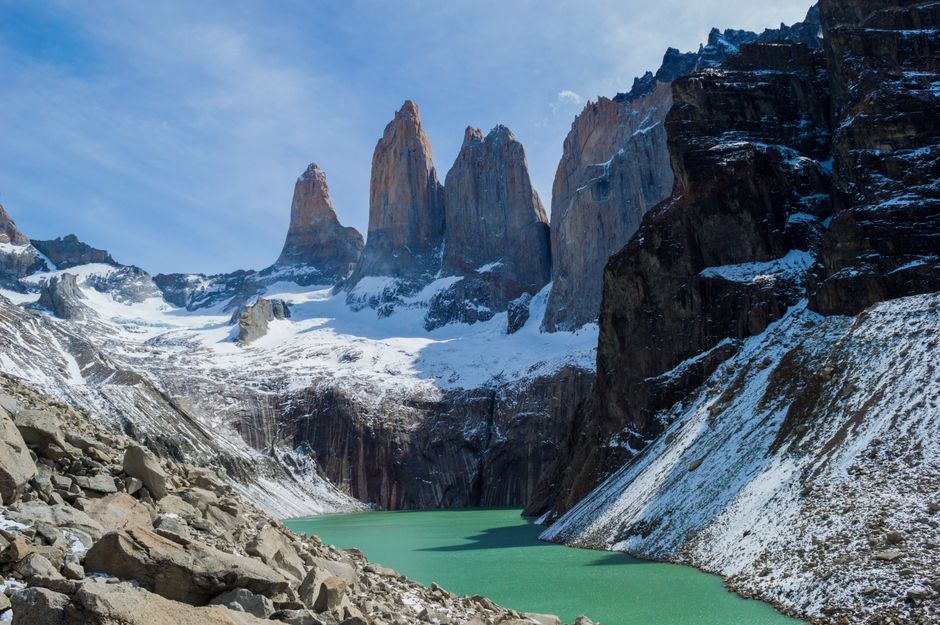
Torres del Paine National Park contains some of South America's spectacular glacial canyons, where massive ice sheets carved U-shaped valleys through ancient granite. The park's canyon systems combine towering peaks, pristine lakes, and diverse ecosystems that support everything from guanacos to pumas.
The French Valley (Valle Francés) represents the park's accessible major canyon experience. This glacial valley stretches 7 kilometers between granite spires, with a well-maintained trail that gains 400 meters of elevation over 4-5 hours hiking time. The valley floor follows a crystal-clear stream past hanging glaciers and alpine meadows that bloom with wildflowers during summer months.
Cuernos del Paine creates a dramatic backdrop for several canyon systems within the park. These distinctive granite horns rise directly from lake level to over 2,000 meters, with steep-walled canyons cutting between the peaks. The Base Torres trail follows one such canyon to reach the iconic three towers viewpoint, requiring 8-10 hours roundtrip but offering unmatched views of glacial architecture.
Beyond Torres del Paine, Chilean Patagonia contains numerous lesser-known canyon systems worth exploring. The Marble Caves (Capillas de Mármol) on General Carrera Lake feature unique water-carved formations accessible only by kayak or small boat. These submerged canyons showcase smooth marble walls sculpted by 6,000 years of wave action.
Cerro Castillo National Park, located 100 kilometers north of Torres del Paine, offers a more remote canyon experience with fewer crowds. The park's main canyon system follows the Ibanez River through ancient volcanic terrain, passing turquoise lakes and providing excellent opportunities for multi-day wilderness camping.
Patagonian weather can change rapidly, with conditions ranging from bright sunshine to horizontal rain and snow within hours. This unpredictability, combined with remote locations and challenging terrain, makes proper preparation essential for canyon exploration in the region. However, the rewards include some of the continent's pristine wilderness and memorable encounters with Patagonian wildlife.
Best Time to Visit Chile's Canyons
Chile's diverse geography means optimal timing varies significantly between regions. The Atacama Desert maintains excellent conditions year-round, with daytime temperatures ranging from 20-25°C and minimal precipitation. However, night temperatures can drop below freezing, especially from June through August, so pack appropriate layers regardless of travel dates.
For Valle de la Luna specifically, the ideal months run from March through November. Summer crowds (December-February) can make popular viewpoints uncomfortably busy, while winter months offer clearer skies and fewer tourists. Sunset timing varies dramatically throughout the year, occurring as early as 6 PM in June and as late as 8:30 PM in December.
Central Chile's canyon season runs from October through April, when snow melts open mountain access roads and river levels are manageable for exploration. Spring (September-November) brings wildflower blooms but also unpredictable weather, while autumn (March-May) offers stable conditions and beautiful fall colors.
Warning: Central valley canyons can experience flash flooding during heavy rains. Check weather forecasts and local conditions before entering canyon areas, especially during winter months.
Patagonian canyons are accessible primarily from November through March, when temperatures are warmest and daylight extends until 9-10 PM. December and January see peak crowds and highest accommodation prices, while shoulder months offer better value and fewer people. Weather remains unpredictable throughout the season, so prepare for all conditions regardless of forecast.
Wind patterns affect canyon experiences throughout Chile. The Atacama Desert sees strongest winds during afternoon hours, making early morning and sunset the ideal times for exploration. Patagonia's notorious winds peak during spring and early summer but can occur anytime, with gusts exceeding 100 km/h in exposed canyon areas.
If you're planning to visit multiple canyon regions in one trip, consider starting in Patagonia during November-December when the season begins, then moving north as Atacama temperatures moderate during autumn months. This itinerary maximizes favorable conditions across diverse climates while avoiding peak season crowds in the popular destinations.
Planning Your Chile Canyon Adventure: Tours vs Self-Drive
Your choice between guided tours and independent exploration depends on experience level, available time, and desired comfort. Guided tours excel in remote areas where local knowledge prevents costly mistakes, while self-drive options offer flexibility and the ability to linger at favorite spots.
In the Atacama Desert, day tours from San Pedro de Atacama typically cost 35,000-50,000 CLP per person (as of 2026) and include transportation, guide services, and park entrance fees. These tours efficiently combine multiple sites but limit time at individual locations. Popular operators like Atacama Desert Lodge and Cosmo Andino offer small group experiences with bilingual guides who explain geological formations and local ecology.
Self-driving in the Atacama requires careful preparation but opens access to remote canyons impossible to reach on group tours. Rental car costs start around 45,000 CLP per day for standard vehicles, though 4WD is necessary for many off-road canyon approaches. Fuel is widely available in San Pedro de Atacama, but remote areas have no services for 100+ kilometers.
Patagonian canyons present more complex logistics. Torres del Paine offers excellent infrastructure with clear trail markings and regular shuttle services, making independent exploration feasible for experienced hikers. Full-circuit tours range from 3-day highlights (starting at $800 USD) to 10-day complete experiences ($2,500+ USD) that include all meals, accommodation, and guide services.
- Multi-day trekking tours: Include camping equipment, meals, and experienced guides familiar with changing weather conditions
- Day hiking packages: Cover transportation from Puerto Natales, park fees, and guided hikes to specific viewpoints
- Photography tours: Focus on optimal lighting conditions and unique angles, typically lasting 5-7 days
- Custom private expeditions: Tailored itineraries for specific interests or fitness levels, with flexible scheduling
For travelers interested in Norway's striking landscapes or similar dramatic canyon systems, Chile's Patagonian regions offer comparable scenery with better accessibility and lower costs. The diversity rivals what you'll find across top US destinations, often with fewer crowds and more wilderness character.
Central Chile's canyons work well for hybrid approaches. You can easily drive to major viewpoints and trailheads, then join guided activities like wine tours or river rafting that require specialized equipment or local permits. This combination maximizes independence while accessing experiences that would be difficult to arrange solo.
Essential Gear and Safety Tips for Canyon Hiking in Chile
Proper equipment varies significantly between Chile's different canyon environments, but certain items are essential across all regions. A reliable GPS device or smartphone with offline maps prevents navigation errors in remote areas where trail markings may be minimal or nonexistent.
For Atacama Desert canyons, sun protection takes priority. Pack a wide-brimmed hat, high-SPF sunscreen, and sunglasses rated for high-altitude UV exposure. The desert's extreme dryness and altitude (attractions sit above 2,300 meters) intensify solar radiation, causing severe burns within 30 minutes of unprotected exposure.
Water requirements in desert canyons exceed normal hiking needs. Carry minimum 3 liters per person for day hikes, plus emergency reserves. Electrolyte supplements help maintain mineral balance in the dry climate where normal sweating mechanisms become less effective.
Patagonian canyon gear focuses on weather protection and warmth. Pack a reliable rain shell and insulating layers that work when wet, as conditions can deteriorate rapidly. Waterproof hiking boots provide essential ankle support on rocky terrain and keep feet dry during stream crossings.
Pro Tip: Chile's mountain rescue services (Socorro Andino) provide excellent emergency response but require specific location information. Always carry a GPS device or smartphone app that can provide precise coordinates in case of emergency.
- Navigation essentials: GPS device, offline maps, compass, and backup paper maps for areas with poor satellite coverage
- Emergency communication: Satellite messenger or emergency beacon for remote areas without cell coverage
- First aid basics: Comprehensive kit including altitude sickness medication, blister treatment, and emergency shelter
- Food and water: High-energy snacks, water purification tablets, and insulated bottles to prevent freezing
- Technical equipment: Headlamp with spare batteries, multi-tool, duct tape for emergency repairs
Chilean canyon safety extends beyond equipment to situational awareness. Flash floods can occur in desert canyons during rare rainfall events, while Patagonian weather can shift from calm to dangerous within minutes. Always inform someone of your planned route and expected return time, especially for solo adventures.
Altitude affects many canyon destinations throughout Chile. San Pedro de Atacama sits at 2,400 meters, while some canyon viewpoints exceed 4,000 meters elevation. Spend 1-2 days acclimatizing before attempting strenuous hikes, and recognize symptoms of altitude sickness including headache, nausea, and unusual fatigue.
Park regulations require permits for certain canyon areas, particularly in Torres del Paine where camping reservations must be made months in advance during peak season. Check current requirements with CONAF (Chile's national park service) before traveling, as regulations and fees change annually.
The country's canyon systems offer experiences comparable to more famous destinations worldwide, often with better access and fewer crowds than popular alternatives in North America or Europe.
Chile's canyons represent some of South America's diverse and accessible geological wonders, from the alien landscapes of the Atacama to the glacial grandeur of Patagonia. With proper planning and realistic expectations, you'll discover canyon experiences that rival anything found in more famous destinations while enjoying the warmth and efficiency that make Chile a standout travel destination.