Canyons
Best Canyons in Tanzania 2026: Volcanic Craters & Rift Valley Gorges
Tanzania delivers some of East Africa's most spectacular canyon experiences, from the world's largest intact volcanic caldera to prehistoric gorges that hold the keys to human evolution. You'll find dramatic landscapes carved by millions of years of volcanic activity and tectonic forces...

Tanzania delivers some of East Africa's most remarkable canyon experiences, from the world's largest intact volcanic caldera to prehistoric gorges that hold the keys to human evolution. You'll find dramatic landscapes carved by millions of years of volcanic activity and tectonic forces, creating everything from wildlife-rich crater floors to fossil-bearing archaeological sites that rewrite the story of mankind.
What sets Tanzania's canyons apart from other African destinations is the remarkable diversity packed into this single country. The Great Rift Valley cuts right through Tanzania, creating a geological playground where you can explore ancient hominid fossil sites in the morning and watch elephants roam crater floors in the afternoon. Unlike many canyon destinations that focus purely on scenery, Tanzania's gorges combine dramatic landscapes with world-class wildlife viewing and archaeological significance you won't find anywhere else.

Ngorongoro Crater: Tanzania's Crown Jewel Canyon
The Ngorongoro Crater stands as the world's largest intact volcanic caldera, stretching 19 kilometers across and plunging 610 meters deep. This massive crater formed about 2.5 million years ago when a volcano the size of Mount Kilimanjaro collapsed in on itself, creating what's essentially a natural amphitheater that now hosts one of Africa's densest wildlife populations.
You'll descend into the crater via one of three access roads, each offering different perspectives of this geological marvel. The crater floor spans 264 square kilometers and functions as a complete ecosystem, supporting over 25,000 large mammals year-round. The permanent water sources, including Lake Magadi and several springs, create perfect conditions for wildlife viewing regardless of season.

Wildlife concentrations here are phenomenal. You'll spot the Big Five within hours, with the crater hosting around 400 lions, 7,000 wildebeest, 4,000 zebras, and 3,000 eland. The black rhino population, though small at about 30 individuals, represents some of the last remaining in Tanzania. Flamingos paint Lake Magadi pink during certain seasons, while hippos gather in the permanent pools near Ngoitokitok Springs.
Pro Tip: Book your crater descent permits at least 6 months ahead for peak season (June to September). Conservation fees as of 2026 are $70 per person plus $295 per vehicle, but prices change annually.
The crater rim offers equally expansive views, especially from the Crater Lodge area where you can watch the sunrise paint the crater walls in gold and red. The temperature difference between the rim (often cool and misty) and the crater floor (warm and sunny) can be dramatic, so pack layers.
Olduvai Gorge: The Cradle of Mankind Canyon
Olduvai Gorge cuts a 48-kilometer slash through the eastern Serengeti, but this unassuming canyon holds secrets that fundamentally changed our understanding of human evolution. The gorge reaches depths of 90 meters in some sections, with exposed rock layers spanning nearly 2 million years of geological history.
Dr. Louis and Mary Leakey made their groundbreaking discoveries here starting in the 1930s, unearthing fossils that pushed back the timeline of human evolution by millions of years. The most famous find, the 1.8-million-year-old skull dubbed "Nutcracker Man" (Paranthropus boisei), came from Bed I, the oldest exposed layer. You can visit the exact spots where these discoveries happened through guided tours from the Olduvai Gorge Museum.
The museum, rebuilt in 2018, displays replica fossils and artifacts alongside detailed explanations of the excavation process. Real fossils stay in climate-controlled environments in Dar es Salaam and international institutions, but the replicas give you a clear sense of the discoveries' significance. The museum's outdoor exhibits include reconstructed early hominid living sites based on archaeological evidence.
- Bed I (Lower Layer): Contains 1.8 to 2.1-million-year-old fossils, including the famous Zinj skull and early stone tools
- Bed II (Middle Layer): Holds 1.2 to 1.8-million-year-old remains, showing tool technology advancement
- Bed III and IV (Upper Layers): Feature more recent finds from 800,000 to 1.2 million years ago
Beyond the archaeology, Olduvai Gorge offers striking geological formations created by the same tectonic forces that built the Rift Valley. The layered canyon walls tell the story of ancient lake beds, volcanic ash deposits, and climate changes that shaped early human development. The contrast between the barren gorge and the surrounding Serengeti grasslands creates dramatic photographic opportunities.
Great Rift Valley Canyons: Geological Wonders of East Africa
The East African Rift Valley cuts through Tanzania like a massive geological scar, creating a series of interconnected canyons, escarpments, and dramatic drops that stretch over 6,000 kilometers from Lebanon to Mozambique. In Tanzania, you'll encounter some of the rift's most dramatic sections, where tectonic forces continue shaping the landscape today.
Lake Manyara sits in one of these rift canyons, surrounded by 600-meter-high escarpment walls that create a natural amphitheater. The alkaline lake fluctuates dramatically with seasonal rains, sometimes covering 200 square kilometers, other times shrinking to expose vast salt flats. The escarpment walls show clear geological stratification, with different rock layers telling millions of years of Earth's history.
The Gregory Rift, the eastern branch of the East African Rift System, creates the most dramatic canyon landscapes in northern Tanzania. You'll drive along escarpment edges where the land literally drops away beneath you, offering views across rift valley floors that stretch to the horizon. The Eyasi Escarpment provides particularly prime viewpoints, especially during late afternoon when the light hits the canyon walls.
Note: The rift valley continues expanding at about 2.5 centimeters per year. Seismic activity remains common, though major earthquakes are rare in the Tanzania section.
These rift canyons host unique ecosystems adapted to alkaline conditions and dramatic elevation changes. You'll find specialized plants like desert roses and endemic bird species that evolved in isolation on canyon floors and escarpment faces. The geological diversity creates microclimates that support everything from semi-desert vegetation to montane forests within short distances. The dramatic landscapes share some similarities with other East African destinations like the coastal formations found along Kenya's diverse shoreline.
Hidden Volcanic Gorges in Northern Tanzania
Northern Tanzania's volcanic landscape extends far beyond famous peaks like Kilimanjaro and Meru, creating dozens of hidden gorges and canyons that most travelers never discover. These volcanic formations, carved by ancient lava flows and subsequent erosion, offer some of the country's most dramatic and accessible canyon experiences.
The Materuni Gorge, near Moshi, showcases how volcanic activity creates canyon systems. Fed by glacial runoff from Kilimanjaro, the Materuni River carved a deep gorge through volcanic rock, creating towering waterfalls that drop over 80 meters. You can hike directly into the gorge, following traditional Chagga paths that wind between coffee farms and indigenous forest.
Mount Meru's slopes hide several volcanic canyons formed by ancient eruptions and mudslides. The Jekukumia River gorge cuts through the mountain's eastern flanks, creating a series of pools and rapids surrounded by towering canyon walls. These gorges remain largely unexplored by tourists, offering genuine wilderness experiences just hours from Arusha.
- Kilema Gorge: Accessible day hike from Marangu, features volcanic rock formations and mountain streams
- Machame Canyon: Technical hiking area with rope-assisted sections, best for experienced trekkers
- Shira Plateau Gorges: High-altitude canyons accessible during Kilimanjaro climbs via Machame or Lemosho routes
The volcanic soil in these northern gorges creates fertile conditions, supporting dense forest growth that contrasts sharply with the arid landscapes of central Tanzania. You'll encounter colobus monkeys, blue monkeys, and over 200 bird species in these canyon ecosystems. Many gorges feature natural swimming pools carved into volcanic rock, perfect for cooling off after canyon hiking.
Access to these hidden gorges typically requires local guides from nearby villages. The Chagga and Meru communities have maintained traditional knowledge of these areas for generations, and hiring local guides provides both navigation expertise and cultural insights you won't get elsewhere. Similar to other canyon destinations like those found in Namibia's desert landscapes, Tanzania's volcanic gorges offer unique geological formations shaped by very different natural forces.
Usangu Plains Canyon Systems: Remote Wilderness Gorges
The Usangu Plains in southern Tanzania hide some of the country's most remote and pristine canyon systems, carved by the Great Ruaha River and its tributaries as they wind through highland plateaus toward the Indian Ocean. These canyons remain largely undiscovered by mainstream tourism, offering genuine wilderness experiences for adventurous travelers.
The Great Ruaha River creates the region's most dramatic canyon as it cuts through the Usangu Plains escarpment. During dry season (May to November), the river reveals dramatic rock formations and deep pools that attract massive concentrations of wildlife. The canyon walls reach heights of 200 meters in sections, creating natural galleries where you can observe elephants, hippos, and crocodiles from elevated viewpoints.
Ruaha National Park protects the most accessible sections of these canyon systems. The park's 20,226 square kilometers encompass not just the main Ruaha River canyon but dozens of smaller gorges carved by seasonal tributaries. The Mwagusi and Mdonya rivers create particularly beautiful canyon sections with permanent pools that support year-round wildlife populations.
Unlike northern Tanzania's heavily visited attractions, the Usangu canyon systems offer completely uncrowded experiences. You might spend entire days exploring canyon sections without encountering other visitors. The remote location means you'll need to plan carefully for supplies and logistics, but the payoff includes some of Tanzania's best wildlife photography opportunities and genuine wilderness solitude.
Warning: These remote canyon areas require 4WD vehicles and experienced guides. Seasonal flooding can make access impossible during heavy rains (December to April).
The canyon ecosystems here support different species assemblages than the northern parks. You'll find greater kudu, sable antelope, and wild dogs in higher concentrations, while the river canyons host healthy populations of hippos and crocodiles. Bird life includes species rarely seen in northern Tanzania, with over 570 species recorded in Ruaha National Park alone.
Best Time to Visit Tanzania's Canyons
Canyon conditions in Tanzania vary dramatically with seasons, and timing your visit correctly makes the difference between remarkable experiences and disappointing weather. The country's position just south of the equator creates distinct wet and dry periods that affect access, wildlife viewing, and photography opportunities.
The dry season (June to October) offers the best overall canyon experiences. Skies stay clear for photography, roads remain passable to remote locations, and wildlife concentrates around permanent water sources in canyon floors. Ngorongoro Crater becomes particularly rewarding during these months, with animals gathering around Lake Magadi and the permanent springs. Temperatures on the crater rim can drop near freezing at night, so pack warm layers.
October through December brings the short rains, which can enhance canyon landscapes with temporary waterfalls and lush vegetation growth. However, some remote canyon systems become inaccessible when seasonal rivers flood. The Materuni and northern volcanic gorges actually improve during light rains, with waterfalls reaching peak flow and forest vegetation turning vibrant green.
- June to September: Peak dry season, best for wildlife and access to remote canyons
- October to December: Short rains enhance waterfalls but may limit remote access
- January to March: Long dry season continues, excellent for Olduvai Gorge visits
- April to May: Heavy rains make many canyon areas inaccessible
Photography considerations vary by season and canyon type. The volcanic canyons around Kilimanjaro offer dramatic cloud formations during transitional months (November, March), while the rift valley canyons provide best lighting during dry season mornings and late afternoons. Dust can become problematic during peak dry season, especially in areas like Olduvai Gorge.
For those planning to combine canyon visits with traditional safaris, the timing aligns well with classic wildlife viewing seasons. The experience shares some similarities with Chile's diverse canyon landscapes, though Tanzania's tropical location creates very different seasonal patterns and accessibility windows.
Planning Your Tanzania Canyon Adventure
Tanzania's canyon systems require different approaches depending on which areas you want to explore. From day trips out of Arusha to multi-day expeditions into remote wilderness areas, proper planning ensures you maximize your canyon experiences while staying safe in challenging terrain.
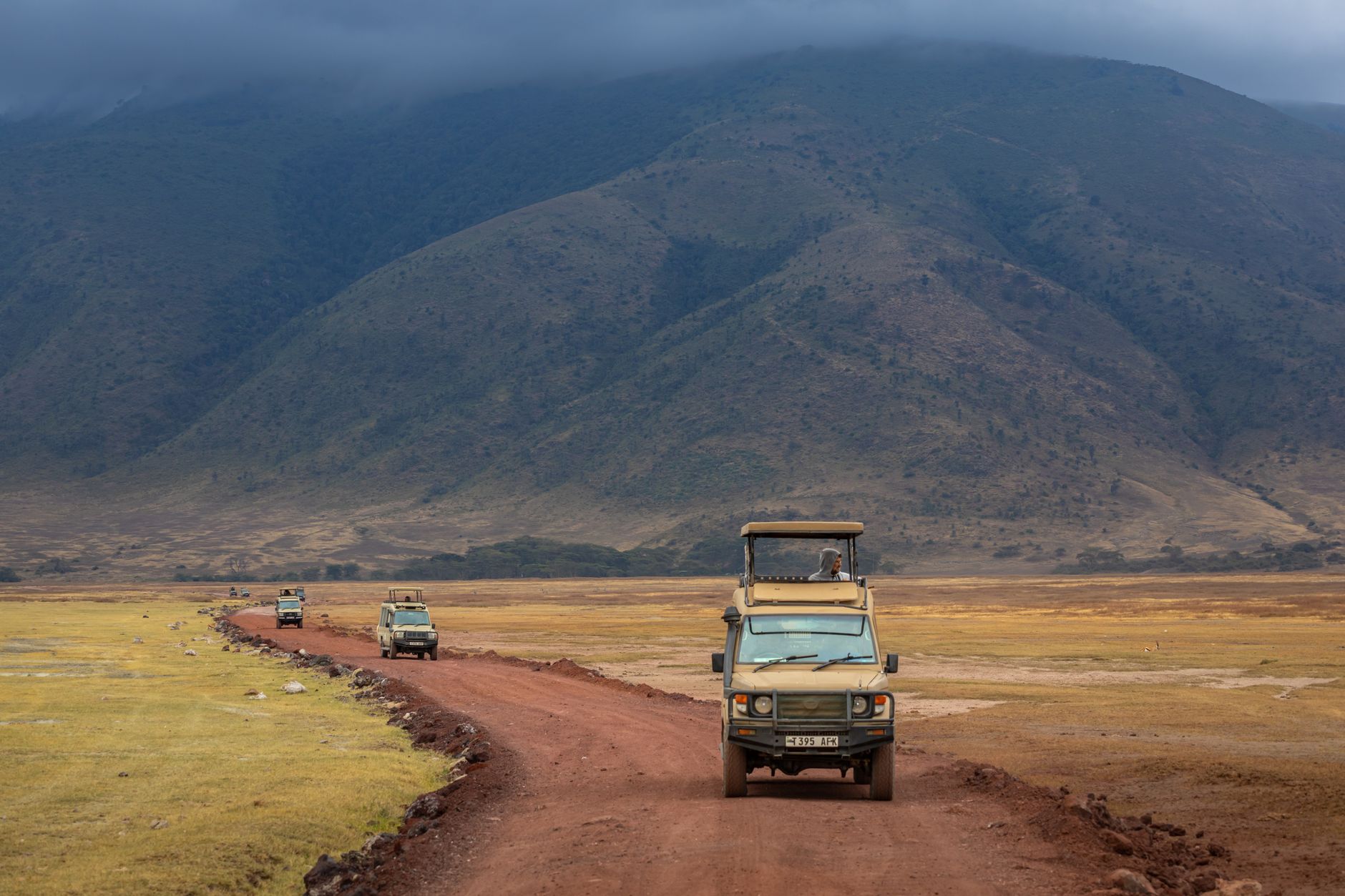
Transportation varies significantly by destination. Ngorongoro Crater and Olduvai Gorge are accessible via standard safari vehicles on decent roads, making them suitable for most fitness levels. However, the hidden volcanic gorges around Kilimanjaro often require hiking, while the remote Usangu Plains canyons demand serious 4WD vehicles and expedition-level preparation.
Guide requirements depend on your chosen destinations and experience level. Ngorongoro Crater visits require registered guides (included in most safari packages), while Olduvai Gorge has museum staff who can provide tours. The northern volcanic gorges work best with local Chagga or Meru guides who know traditional routes and can arrange village permissions where needed.
- Budget Planning: Ngorongoro fees run $70 per person plus vehicle charges; budget $200-400 daily for guided canyon tours
- Equipment Needs: Sturdy hiking boots, sun protection, warm layers for altitude changes, and plenty of water
- Permit Requirements: National park fees for Ngorongoro and Ruaha; village permissions for some northern gorges
- Safety Considerations: Never hike alone in remote canyons; inform others of your plans; carry emergency communication
Accommodation options range from luxury crater rim lodges to basic camping in remote areas. The Ngorongoro Crater Lodge offers unparalleled views but books months in advance and costs over $1,000 per night as of 2026. More affordable options include the Rhino Lodge and various campsites on the crater rim. For the southern canyons, Ruaha River Lodge provides excellent access to the river canyon systems.
Pro Tip: Combine multiple canyon types in one trip. Start with accessible areas like Ngorongoro and Olduvai, then progress to more remote locations as you gain experience with local conditions and logistics.
Weather contingency planning becomes crucial for canyon adventures. Always have backup plans when seasonal rains might limit access, and build extra days into your itinerary for remote locations where mechanical problems or weather delays can extend trips unexpectedly. The reward for proper planning includes access to some of Africa's most remarkable and least crowded geological wonders.
Tanzania's canyon systems offer experiences that combine geological wonder, wildlife viewing, and archaeological significance in ways you won't find anywhere else. Standing where early humans lived millions of years ago at Olduvai Gorge or photographing elephants on the Ngorongoro Crater floor creates connections to both Earth's geological history and humanity's deepest origins. The diversity rivals canyon destinations across the globe, from Argentina's desert formations to East Africa's unique volcanic and rift valley creations, making Tanzania essential for any serious canyon explorer.