Mountains
Best Mountains in New Zealand 2026: Ultimate Guide to Epic Peaks
New Zealand's dramatic mountain ranges rise from emerald valleys and turquoise lakes, creating some of the world's most spectacular alpine landscapes. From the towering peaks of the Southern Alps to the perfect volcanic cones of the North Island, these mountains offer experiences that range from gentle scenic drives to challenging multi-day treks...

New Zealand's dramatic mountain ranges rise from emerald valleys and turquoise lakes, creating some of the world's most spectacular alpine landscapes. From the towering peaks of the Southern Alps to the perfect volcanic cones of the North Island, these mountains offer experiences that range from gentle scenic drives to challenging multi-day treks.
The country's compact size means you can experience multiple mountain regions in a single trip, each offering distinct landscapes and activities. You'll find world-class hiking trails, pristine alpine lakes, and viewpoints that have served as backdrops for countless films. This guide covers the essential mountain destinations across both islands, helping you plan the perfect alpine adventure in 2026.
South Island's Majestic Alpine Giants
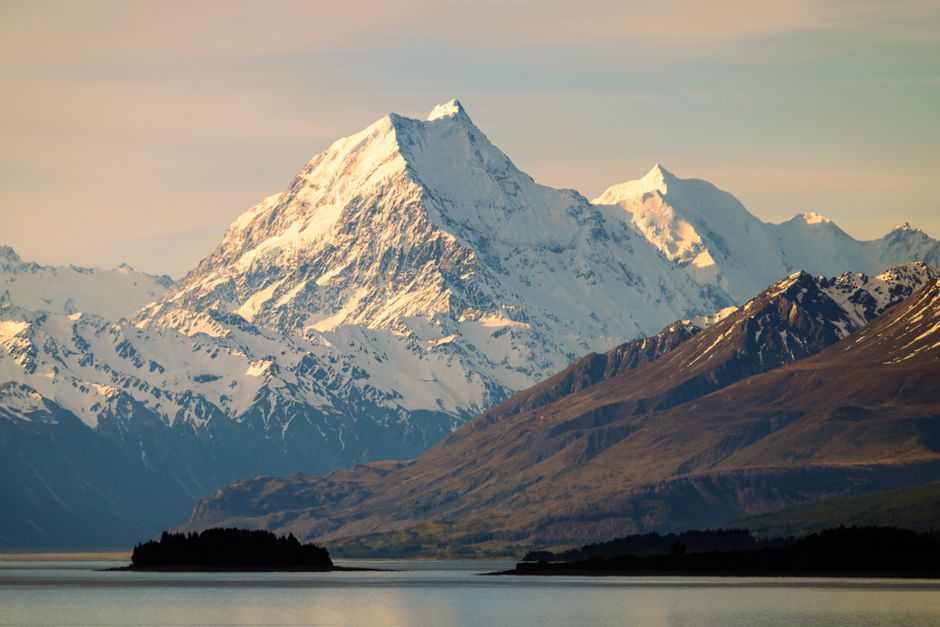
The South Island dominates New Zealand's mountain landscape with the Southern Alps stretching 500 kilometers along the island's backbone. Aoraki Mount Cook, the country's highest peak at 3,724 meters, anchors this magnificent range and serves as the centerpiece of Mount Cook National Park.

Mount Cook National Park offers hiking trails for all abilities, from the easy Hooker Valley Track (3 hours return) to the challenging Mueller Hut route (5-8 hours). The Hooker Valley Track takes you across three swing bridges to a glacial lake with spectacular mountain views, while the Tasman Glacier provides opportunities for boat trips among icebergs.
Mount Aspiring, known as the "Matterhorn of the South," rises 3,033 meters in the heart of Mount Aspiring National Park. The pyramid-shaped peak challenges experienced climbers, but the surrounding area offers excellent day hikes like the Rob Roy Glacier Track and longer adventures through the Routeburn Track.
Pro Tip: Book accommodations in Mount Cook Village or Wanaka at least 3 months ahead for peak summer season (December to February 2026). These gateway towns fill up quickly during New Zealand's busiest travel months.
The Franz Josef and Fox Glaciers on the West Coast provide rare opportunities to see glacial ice at relatively low altitudes. While climate change has affected access in recent years, helicopter tours still offer spectacular aerial views of the glaciers and surrounding peaks. The townships of Franz Josef and Fox Glacier serve as bases for glacier tours and valley walks.
North Island's Volcanic Mountain Wonders
The North Island's mountains tell a different geological story, dominated by active and dormant volcanoes that have shaped the landscape for millions of years. Tongariro National Park, New Zealand's oldest national park, contains three major volcanic peaks that offer some of the country's most popular hiking experiences.
Mount Ngauruhoe (2,291 meters) gained fame as Mount Doom in the Lord of the Rings films, but its perfect cone shape has captivated visitors long before Hollywood arrived. The challenging summit climb takes 6-8 hours and requires good fitness and alpine experience, but the views from the top encompass the entire Central Plateau.
The Tongariro Alpine Crossing ranks among the world's best day hikes, traversing 19.4 kilometers across volcanic terrain past emerald lakes, steaming vents, and ancient lava flows. The track typically takes 7-8 hours and requires shuttle transport from either end. Book shuttles well in advance during peak season as this track sees over 130,000 visitors annually.
Mount Ruapehu (2,797 meters) serves as the North Island's highest peak and premier skiing destination. The mountain supports two ski fields, Whakapapa and Turoa, operating from June to October. In summer, the Round the Mountain Track offers multi-day hiking with huts for overnight stays.
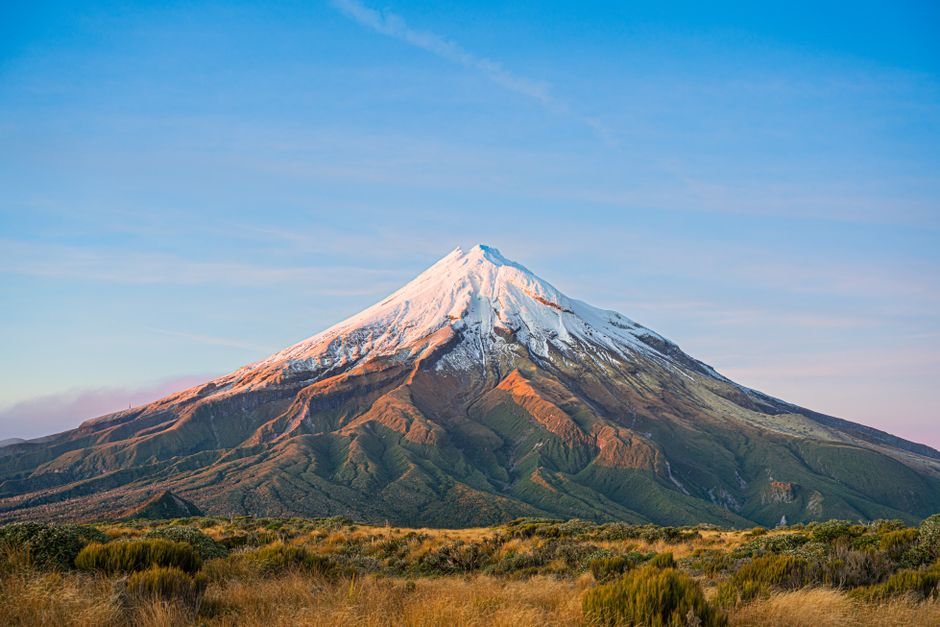
Mount Taranaki rises dramatically from farmland on the west coast, creating one of New Zealand's most photographed mountain profiles. The symmetrical volcanic cone offers day hikes through native forest and challenging summit attempts for experienced climbers. Egmont National Park surrounds the mountain with over 300 kilometers of walking tracks.
Fiordland's Dramatic Mountain Landscapes
Fiordland National Park in the South Island's southwest corner contains some of New Zealand's most pristine and dramatic mountain scenery. The region's peaks rise directly from sea level to over 2,000 meters, creating the iconic fjord landscapes that define this UNESCO World Heritage area.
Mitre Peak in Milford Sound stands as Fiordland's most recognizable landmark, its distinctive pointed summit reflected in the dark waters of the fjord. At 1,692 meters, the peak creates a dramatic backdrop for cruise boats and kayakers exploring the sound. The drive to Milford Sound through the Homer Tunnel provides spectacular mountain views along the Milford Road.
Milford Sound itself offers multiple ways to experience the surrounding mountains. Day cruises operate year-round and typically last 1.75 hours, while overnight cruises provide more intimate experiences with fewer crowds. The Milford Track, one of New Zealand's Great Walks, takes hikers through the heart of these mountains over four days with guided or independent options.
The Te Anau area serves as the gateway to Fiordland and offers excellent mountain hiking without the crowds of Milford. The Kepler Track forms a 60-kilometer circuit around Lake Te Anau with spectacular mountain and lake views. The track can be completed in 3-4 days with comfortable hut accommodations or tackled as day sections.
Note: Fiordland receives over 7 meters of rain annually, making waterproof gear essential year-round. Weather can change rapidly, so always check conditions with the Department of Conservation before heading out.
Queenstown's Adventure Mountain Playground
Queenstown sits in a dramatic mountain amphitheater that has become synonymous with adventure tourism in New Zealand. The surrounding peaks provide the backdrop for countless adrenaline activities while offering excellent hiking and scenic experiences for all fitness levels.

The Remarkables create Queenstown's most dramatic skyline with their jagged peaks rising sharply from Lake Wakatipu. The range offers skiing in winter at The Remarkables Ski Area and excellent hiking in summer. The Ben Lomond Track provides a challenging day hike with panoramic views over Queenstown and the lake.
Coronet Peak offers year-round mountain experiences, from skiing and snowboarding in winter to scenic chairlift rides in summer. The Peak2Peak gondola and chairlift system operates daily, providing easy access to alpine views without hiking. The summit sits at 1,649 meters and offers 360-degree views across the region.
Ben Lomond (1,748 meters) challenges day hikers with a steep climb that rewards effort with spectacular summit views. The track starts from the Queenstown Gondola terminal and takes 6-8 hours return. Many hikers take the gondola up to save energy for the summit push, though purists prefer hiking from town level.
The Routeburn Track, accessible from Glenorchy near Queenstown, ranks among New Zealand's most scenic multi-day hikes. The 32-kilometer track typically takes 2-3 days and traverses spectacular mountain country between Mount Aspiring and Fiordland National Parks. Independent walkers need to book huts well in advance for the peak season from October to April.
Accessible Mountain Experiences for Every Traveler
New Zealand's mountains welcome visitors of all ages and abilities through scenic drives, easy walks, and family-friendly activities that showcase alpine beauty without requiring serious hiking experience.
Scenic drives provide excellent mountain access for those preferring wheels over walking boots. The Mount Cook Road (State Highway 80) leads directly to New Zealand's highest peak with multiple viewpoints along the 55-kilometer route from Twizel. The road ends at White Horse Hill campground, where easy walks lead to glacier viewpoints.
The Arthur's Pass crossing links the Canterbury Plains with the West Coast through spectacular mountain scenery. The historic Otira Viaduct provides dramatic views into the valley below, while the village of Arthur's Pass offers easy walks to waterfalls and lookouts. The TranzAlpine train follows this route and ranks among the world's great scenic railway journeys.
- Cable cars and gondolas offer effortless access to mountain views across the country. The Queenstown Skyline Gondola, Christchurch Gondola, and Rotorua Skyline Gondola all provide spectacular alpine vistas with restaurant dining at the top.
- Short walks and nature trails let families experience mountain environments safely. The Hooker Valley Track near Mount Cook takes just 3 hours return on flat terrain, while the Blue Pools Track in Mount Aspiring National Park offers a gentle 1-hour walk to crystal-clear mountain pools.
- Scenic helicopter flights provide access to remote mountain areas impossible to reach on foot. Companies operate from Queenstown, Mount Cook, Franz Josef, and other mountain towns, offering everything from 20-minute scenic flights to glacier landings and heli-hiking adventures.
Many mountain destinations offer visitor centers with educational displays, short interpretive walks, and ranger-led programs perfect for families. The Sir Edmund Hillary Alpine Centre at Mount Cook provides excellent mountain education with planetarium shows and climbing simulators.
Best Time to Visit New Zealand Mountains
Mountain weather in New Zealand varies dramatically by season and elevation, making timing crucial for different activities and experiences. Understanding seasonal patterns helps you plan the perfect mountain adventure while avoiding crowds and adverse conditions.
Summer (December to February 2026) provides the most stable weather and longest daylight hours for mountain activities. Temperatures at mountain bases typically range from 15-25°C, while higher elevations remain much cooler. This peak season brings larger crowds and higher accommodation prices, but offers the best conditions for multi-day hikes and camping.
All Great Walks operate during summer with full hut services and track maintenance. Alpine passes remain accessible, and mountain huts provide comfortable overnight options. However, book accommodations and transport at least 3 months ahead as popular destinations fill quickly.
Autumn (March to May 2026) offers excellent mountain conditions with fewer crowds and striking fall colors. Weather remains generally stable through March and April, making this an ideal time for photography and hiking. Accommodation prices drop compared to peak summer, and popular tracks feel less congested.
Pro Tip: April 2026 offers the best balance of good weather, fewer crowds, and reasonable prices for mountain travel. Many locals consider this the secret season for New Zealand's mountains.
Winter (June to August 2026) transforms New Zealand's mountains into snowy alpine playgrounds perfect for skiing, snowboarding, and snow activities. The ski season typically runs from late June through September, with Ruapehu fields opening first and southern fields following in July.
Winter brings dramatic snow-capped mountain photography opportunities, but limits high-altitude hiking and camping. Many mountain passes close due to snow, and some accommodations reduce services or close entirely. However, this season offers unique experiences like skiing under the midnight sun and soaking in hot pools surrounded by snow.
Spring (September to November 2026) brings variable weather as mountains transition from winter to summer conditions. Snow persists at higher elevations while valley floors come alive with wildflowers and rushing streams fed by snowmelt.
Essential Mountain Travel Planning Guide
Successful mountain adventures in New Zealand require careful planning, appropriate gear, and understanding of safety considerations. The country's mountain weather can change rapidly, and remote locations demand self-sufficiency and preparation.
Permits and bookings vary by destination and activity. Great Walks require advance booking through the Department of Conservation, especially during peak season from October to April. Hut passes cost NZ$140 for adults for unlimited use during the season, while individual hut tickets range from NZ$15-65 per night depending on the track.
Guided tours eliminate planning complexity but cost significantly more than independent travel. Expect to pay NZ$2,000-4,000 for guided Great Walks compared to NZ$200-500 for independent hiking including huts and transport.
Essential gear for mountain activities includes layers for changing weather, waterproof outer shells, and sturdy hiking boots. Even summer conditions require warm layers as temperatures drop with elevation and weather changes quickly.
- Clothing layers should include moisture-wicking base layers, insulating mid-layers (fleece or down), and waterproof outer shells. Avoid cotton clothing which retains moisture and loses insulation when wet.
- Navigation equipment remains essential even on marked tracks. GPS devices, detailed topographic maps, and compass provide backup when weather reduces visibility. Many areas lack cell phone coverage.
- Emergency equipment should include personal locator beacons (PLBs) for remote areas, first aid supplies, emergency shelter, and extra food. Rental PLBs cost around NZ$45 for a week and could save your life in emergencies.
- Mountain-specific gear for technical activities includes crampons for glacier travel, helmets for loose rock areas, and alpine climbing equipment for summit attempts. Rental shops in gateway towns provide specialized gear.
Transportation to mountain areas often requires rental cars as public transport serves only major tourist routes. Many trailheads lack parking, requiring shuttle services that book out during peak season. Research transport options early and book shuttles when making accommodation reservations.
Mountain Photography and Scenic Viewpoints
New Zealand's mountains provide endless photography opportunities, from golden hour light on snow-capped peaks to dramatic storm clouds rolling across alpine valleys. Understanding the best viewpoints and optimal timing helps capture those perfect mountain shots.
Golden hour photography produces the most dramatic mountain images when low-angle sunlight illuminates peaks while valleys remain in shadow. In summer, golden hour occurs around 6-7 AM and 8-9 PM, providing two daily opportunities for spectacular lighting.
Mount Cook's east face catches the first morning light beautifully from Lake Pukaki viewpoints along State Highway 8. The Hooker Valley Track offers classic Mount Cook compositions with the mountain reflected in glacial lakes. For sunset shots, head to the western side of the mountain near the Hermitage Hotel.
Classic viewpoints across the country provide Instagram-worthy mountain vistas that capture New Zealand's alpine beauty. The view of Mount Taranaki from Pouakai Tarns creates perfect reflections of the volcanic cone, while The Remarkables photographed from Queenstown Gardens showcase the dramatic mountain amphitheater.
Milford Sound offers countless photography opportunities with Mitre Peak reflected in the fjord's dark waters. Early morning cruises provide the calmest water for reflections and fewer crowds for cleaner compositions. The view from the Chasm Walk captures powerful waterfalls with mountain backdrops.
- Technical considerations for mountain photography include UV filters to cut haze, polarizing filters to enhance sky contrast and reduce reflections, and neutral density filters for long exposures of flowing water.
- Weather timing often produces the most dramatic images during changeable conditions when storm clouds interact with mountain peaks. Clear blue skies look beautiful but lack the drama of mixed conditions.
- Composition techniques benefit from including foreground elements like alpine lakes, native vegetation, or rock formations to add depth and scale to mountain images.
Sunrise photography requires early starts and often involves hiking in darkness to reach viewpoints. Head torches, extra batteries, and warm clothing become essential for pre-dawn mountain photography missions. Check sunrise times and plan routes carefully as mountain access roads may close overnight.
Frequently Asked Questions
What is the highest mountain in New Zealand? Aoraki Mount Cook stands as New Zealand's highest peak at 3,724 meters, located in the Southern Alps of the South Island. The mountain lies within Mount Cook National Park and offers hiking trails, scenic flights, and glacier experiences.
When is the best time to visit New Zealand mountains? December through February offers the most stable weather for hiking and camping, while March to May provides excellent conditions with fewer crowds. Winter (June to August) transforms mountains into ski destinations, and spring brings wildflowers but variable weather.
Do you need climbing experience for New Zealand mountains? Many mountain experiences require no climbing skills, including scenic drives, easy walks, and cable car rides. However, technical peaks like Mount Cook and Mount Aspiring demand serious mountaineering experience and proper equipment.
What should I pack for New Zealand mountain hiking? Essential items include layered clothing, waterproof outer shells, sturdy hiking boots, navigation equipment, emergency supplies, and extra food. Weather changes rapidly in mountains, so prepare for all conditions regardless of forecasts.
Are New Zealand mountains safe for beginners? Yes, with proper planning and realistic expectations. Start with well-marked day tracks near visitor centers, check weather conditions, inform others of your plans, and consider guided options for first-time visitors to unfamiliar areas.
How much does it cost to visit New Zealand mountains? Costs vary widely by activity and accommodation level. Budget backpackers might spend NZ$100-150 daily including huts and meals, while luxury travelers can expect NZ$500-1000 daily for guided experiences and premium lodges. Great Walks hut fees range from NZ$15-65 per night as of 2026.
Like other impressive dramatic mountain destinations in Switzerland, New Zealand's peaks provide adventures for every skill level and interest.
From the volcanic wonders of the North Island to the glacial giants of the South Island, these mountains showcase nature at its most spectacular. Similar to the diversity found in must-see mountain destinations in Canada, New Zealand's alpine regions offer year-round opportunities for adventure and exploration.
Plan your mountain adventure carefully, respect the natural environment, and prepare for changing conditions. New Zealand's mountains reward visitors with experiences that rival the top mountain destinations in the USA and showcase why this island nation captivates mountain lovers from around the world. The memories you create among these peaks will inspire future adventures and deepen your appreciation for the raw beauty of alpine landscapes.