Neighborhoods
Best Neighborhoods in Bangkok 2026: Where to Stay for Every Trip
Bangkok gets easier once you pick the right base. This guide breaks down the best neighborhoods in Bangkok 2026 for first-timers, families, nightlife, temples, and short stays...

Bangkok gets easier the second you stop treating it like one giant blur and start picking the right base. Stay near the wrong station, and you waste time in traffic. Stay in the wrong nightlife zone, and your "quiet" hotel turns into a 2am soundtrack. Pick well, though, and the city clicks fast. You can bounce between temples, rooftop bars, noodle shops, malls, and river ferries without turning every day into a logistics problem.
The best neighborhoods in Bangkok 2026 depend less on what looks cool on a map and more on how you actually travel. First-time visitor doing the big sights? You want transit and easy hotel choices. Family trip? Noise matters more than nightlife. Short stopover? You need simple airport and BTS links, not a romantic lane that takes 40 minutes to reach. This guide breaks down where to stay in Bangkok 2026 by travel style, budget, and pace, with practical tradeoffs instead of generic hype.
How to Choose Where to Stay in Bangkok 2026
Start with transit. Bangkok looks compact until road traffic hits. For most travelers, staying near the BTS Skytrain or MRT matters more than being close in pure distance. A hotel five minutes from a station can save you an hour a day. Check the official BTS map and MRT system map before you book.
Then match the area to your trip goal. Sukhumvit works if you want easy first-timer logistics, broad hotel choice, and nightlife. Siam and Chidlom make short stays easy because you can walk to malls, food courts, and major BTS interchanges. Old Town and Riverside suit temple-heavy trips and travelers who care more about atmosphere than being next to a train line. Silom and Sathorn land in the middle, solid food, good city access, and a mix of business and leisure stays. Ari and parts of Phrom Phong feel calmer for families and longer stays.
- Short trip, 2-3 nights, stay central near BTS, usually Sukhumvit, Siam, Chidlom, Silom, or Sathorn.
- Temple and culture focus, stay in Old Town or on the riverside, but accept slower rail access.
- Nightlife first, stay in lower Sukhumvit or Silom, but be honest about your noise tolerance.
- Family trip, lean toward Ari, Phrom Phong, or a quieter Sathorn side street with easy transit.
- Tighter budget, look a few stops out from the core, but stay near a station so cheaper rooms do not turn into expensive taxi days.
Hotel pricing changes constantly, but as of June 2026, Bangkok still gives you a wide spread. Budget rooms in decent transit areas often start around THB 700-1,500 per night, mid-range hotels commonly sit around THB 2,000-5,000, and upscale stays can jump from THB 6,000 well into five figures. Riverside and top-end central hotels usually cost more. Big event weeks push everything up.
Pro Tip: In Bangkok, being near a station usually beats being near a single attraction. You will cover more ground with less stress, especially in June 2026 traffic.
Sukhumvit: Best for First-Timers, Dining, and Nightlife
Sukhumvit is the easiest answer for a first trip because it removes friction. The BTS runs straight through it, hotel inventory is massive, and you can choose your vibe by station. Nana and Asok are lively and convenient. Thong Lo and Ekkamai feel more polished and food-focused. Phrom Phong adds malls and family-friendly condos. You are not choosing one neighborhood so much as a long corridor with different personalities.

For first-timers, Asok is hard to beat. You get the BTS and MRT interchange, Terminal 21 for easy meals, and simple access to different parts of the city. You can be at Chatuchak, Silom, or Siam without complicated transfers. Nana is similarly convenient but can feel rougher around the edges at night. Thong Lo is a better pick if you care more about bars, cafes, and restaurants than sightseeing speed.
This is also one of the best Bangkok nightlife neighborhoods. You have rooftop bars, cocktail spots, beer bars, clubs, and late-night food across the corridor. But nightlife cuts both ways. Do not book near Nana Plaza or Soi Cowboy with kids unless you know exactly what that area feels like after dark. Good hotels can still be fine there, but the street scene is not for everyone.
Budget-wise, Sukhumvit covers everything. As of June 2026, you can still find simple guesthouses and budget hotels near outer stations, while premium brands cluster around Asok, Phrom Phong, and Thong Lo. Food also scales well here. One meal might be a THB 60-100 bowl of noodles, the next a much pricier tasting menu. That range is part of the appeal.
Best fit in Sukhumvit
- Asok, best for first-time visitors and short stays.
- Thong Lo and Ekkamai, best for dining, bars, and a more local-modern feel.
- Phrom Phong, best for malls, parks, and families who still want BTS convenience.
- Nana, best for nightlife-focused trips, worst for travelers who want quiet.
If Bangkok is just one stop on a longer Asia run, Sukhumvit also feels familiar fast. That's useful after a red-eye. Same reason broad, easy bases work in guides like Best Places to Visit in USA, convenience matters more than fantasy when your time is short.
Siam and Chidlom: Best for Shopping and Simple Logistics
Siam and Chidlom are for travelers who want Bangkok on easy mode. This is not the most atmospheric part of the city, but it is one of the most practical. You are close to BTS interchanges, major malls, hotel towers, food courts, and sidewalks that make more sense than they do in many other districts. That matters if you have two nights, jet lag, and no patience for transport puzzles.

Siam is built around retail and transit. You can walk between Siam Paragon, MBK, CentralWorld, and multiple BTS links without needing a cab. Chidlom feels a bit less chaotic, with more upscale hotels and easier access to Lumphini side trips. Both areas work well if you want a clean landing pad between airport arrival, meetings, shopping, and a few big sightseeing runs.
This is one of the best areas in Bangkok for tourists who hate wasting time. Families who want malls, easy food choices, and air-conditioned backup plans also tend to do well here. Bangkok's heat and rain can wear you down fast, especially in June. Staying near connected malls sounds boring until the afternoon storm starts and you realize you can still get dinner, groceries, and transport without being soaked.
The main downside is character. You are staying in modern central Bangkok, not classic temple Bangkok. Nightlife exists, but it is more polished lounge and mall-adjacent dining than full-on district energy. Hotels can also skew pricier than expected for what you get, especially in Chidlom.
Pro Tip: Siam or Chidlom make the most sense for a 1-2 night stopover. You can land, check in, shop, eat, and move around the city fast without overthinking the map.
Old Town and Riverside: Best for Temples, Culture, and Classic Bangkok
Old Town and the Riverside are the answer if your Bangkok dream involves temples, river views, ferry rides, and historic streets, not chain malls and rooftop brunches. This is where the city feels more rooted. You are closer to the Grand Palace, Wat Pho, Wat Arun, museum stops, and older neighborhoods with actual street texture.

For cultural sights, this is the strongest base. If your main question is what area of Bangkok is best for temples and cultural sights, this is it. Staying near the river also lets you use the Chao Phraya Express Boat, which is often more pleasant than sitting in traffic. Riverside hotels can feel like a separate city, quieter, more scenic, and more expensive.
But this is not the easiest part of Bangkok for all-purpose exploring. Rail access is improving, but you still give up some BTS convenience versus Sukhumvit or Siam. That tradeoff is worth it if temples and atmosphere are your priorities. It is less worth it if you plan to spend half your time in malls, bars, and modern restaurant districts.
Old Town can work well for 2-3 nights, especially if you want sunrise temple visits before tour groups build. Riverside is also a strong romantic or slower-paced choice. Just expect to pay more for riverfront views. As of June 2026, many good riverside hotels sit above comparable central non-river properties in the same star category.
And if you like trips built around strong place identity, this part of Bangkok scratches the same itch as destination-led guides like Best Things to Do in Madagascar 2026, you remember the feel of the place, not just what you checked off.
Silom and Sathorn: Best for Food, Mixed-Itinerary Trips, and City Access
Silom and Sathorn sit in the sweet spot for a lot of travelers. You get solid transport, strong food options, business-district convenience, and easier access to both older Bangkok and the newer commercial core. They are less obvious than Sukhumvit for first-timers, but they often work better for repeat visitors or anyone trying to mix temples, office meetings, good meals, and nights out in one trip.
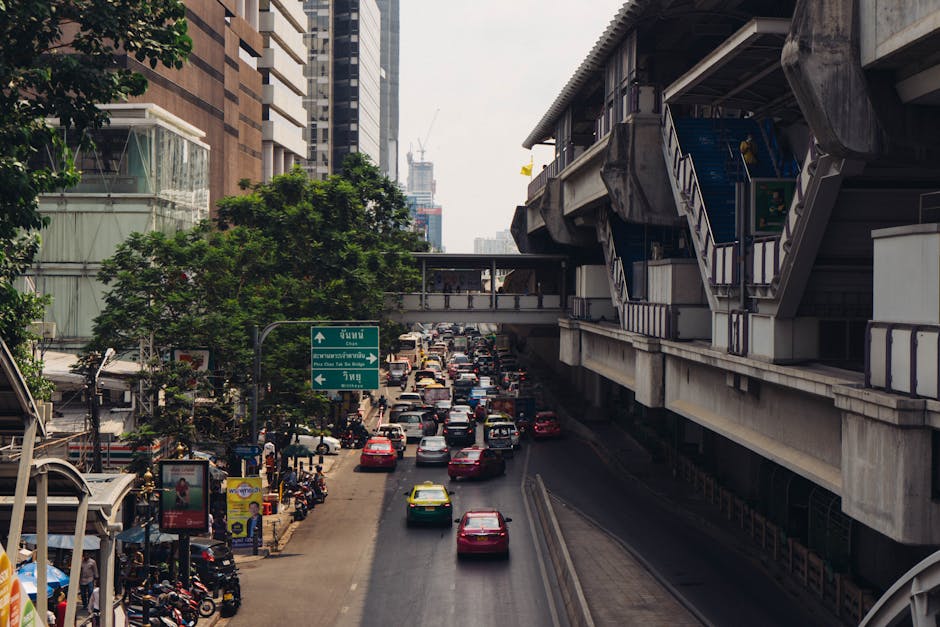
Silom has a bit of everything, office towers by day, street food, rooftop drinks, and nightlife pockets after dark. The area around Sala Daeng and Si Lom stations is especially practical. Sathorn feels broader and a little calmer, with embassies, larger hotels, and a more residential-business mix on some streets. Both connect well to the river and central shopping districts.
This area is especially good for food-first travelers. You can eat well without turning every meal into a reservation hunt, and you are close to everything from street stalls to polished Thai restaurants. It's also a decent answer for people asking if it is better to stay near the BTS or on the riverside in Bangkok, because Silom and Sathorn let you split the difference. You get rail access and easier river reach.
Nightlife here is more mixed than Sukhumvit. Patpong still draws attention, but the district is broader than that. Families can stay in Sathorn comfortably, especially on quieter side streets, while nightlife seekers can keep Silom on the shortlist. That balance is why this is one of the smartest Bangkok neighborhoods for mixed-itinerary trips.
Ari and Phrom Phong: Best for Families, Cafes, and Longer Stays
Ari and Phrom Phong are good picks when you want Bangkok to feel livable, not overwhelming. They are very different neighborhoods, but they solve similar problems. Both work for families, slower trips, digital nomads, and anyone staying long enough to care about parks, supermarkets, coffee shops, and a calmer daily rhythm.
Ari feels more residential and local. You still get BTS access, but the streets are quieter than lower Sukhumvit. Cafes, low-rise lanes, and neighborhood restaurants make it easy to settle in. Hotel choice is smaller than in the main tourist core, which can be a plus or a minus. You are less surrounded by tour groups, but you need to be a little more intentional with where you book.
Phrom Phong sits inside Sukhumvit but deserves separate mention for families and longer stays. You have EmQuartier and Emporium, Benchasiri Park, plenty of serviced apartments, and easy BTS access. It is polished, convenient, and less chaotic than Nana or Asok. If you are traveling with a stroller, need grocery runs, or want a clean base for a week, this area just works.
- Ari, better for a neighborhood feel, cafes, and a quieter stay.
- Phrom Phong, better for families who want comfort, malls, and transit.
- Both, better than nightlife-heavy zones if your kids need sleep or your trip is longer than four nights.
These areas also fit travelers who usually like slower, place-based trips, the same kind of traveler who would bookmark surf and island guides like Best Surf Spots in Fiji 2026 or Best Surf Spots in French Polynesia 2026 and actually stay long enough to learn a destination's rhythm.
Neighborhoods That Sound Good but Miss for Some Travelers
Some Bangkok areas sound appealing on paper and then backfire in practice. The most common mistake is booking a hotel far from central transit because the nightly rate looks cheaper. Saving THB 800 can disappear fast if you end up taking taxis twice a day and losing time in traffic. For most tourists, a cheaper room near no useful station is not a deal.
Another mismatch is picking nightlife-first zones for family travel. Nana can be convenient, but not everyone wants that street scene right outside the hotel. Parts of Patpong and other late-night strips have the same issue. You can still visit those areas at night without sleeping there.
On the flip side, some travelers book riverside luxury hotels thinking they are centrally located because the views are great. The hotels may be excellent, but daily movement can be slower unless the property has an efficient shuttle boat connection. Check the exact setup before you commit.
And some people over-romanticize hyper-local outer neighborhoods on a short trip. That can be fun if you know Bangkok already. For a first-time visitor with three nights, it often just means longer commutes and fewer backup options when weather or fatigue hit. Save the deeper neighborhood experiments for a return visit.
Best Areas in Bangkok for Tourists by Travel Style
You do not need to overcomplicate this. If you are asking what is the best neighborhood in Bangkok 2026 for a first-time visitor, the safest answer is Asok or nearby Sukhumvit. You get the best blend of BTS access, hotel choice, food, and flexibility. If you want temples and old Bangkok first, go Old Town or Riverside. If you want the easiest 48-hour stop, pick Siam or Chidlom.
For families, Phrom Phong, Ari, and quieter parts of Sathorn are the smart picks. Which Bangkok neighborhoods are best for nightlife? Nana, Asok, Thong Lo, Ekkamai, and parts of Silom, depending on whether you want beer bars, clubs, or more polished cocktail spots. Is it better to stay near the BTS or on the riverside in Bangkok? For most first-timers, near the BTS wins. For a culture-heavy or slower-paced trip, the riverside can be worth the trade.
How many nights should you stay in Bangkok before moving neighborhoods? For most trips, 3 to 5 nights is enough to justify one base rather than splitting hotels. If you are staying a week or more, a two-part stay can make sense, a few nights by the river or Old Town, then a few nights near Sukhumvit or Siam for easier modern-city access.
Quick final picks
- First-time visitors, Sukhumvit around Asok or Phrom Phong.
- Food lovers, Silom, Sathorn, Thong Lo, and Ari.
- Nightlife seekers, Nana, Asok, Thong Lo, Ekkamai, and Silom.
- Families, Phrom Phong, Ari, and quieter Sathorn streets.
- Temples and culture, Old Town and Riverside.
- Short stays, Siam or Chidlom.
Bangkok rewards the right base more than almost any big city in Asia. Pick the neighborhood that matches how you actually travel, not the one that only looks good in photos. And if your trip continues into more beach-heavy planning after the city, guides like Best Waves in Australia 2026 make a decent daydream for the next leg.
One last filter helps. Ask yourself what you will do before 10am, after 10pm, and on a tired rainy afternoon. Your answer usually points to the right area faster than any hotel ranking list. Bangkok is easier once your neighborhood matches your pace.


