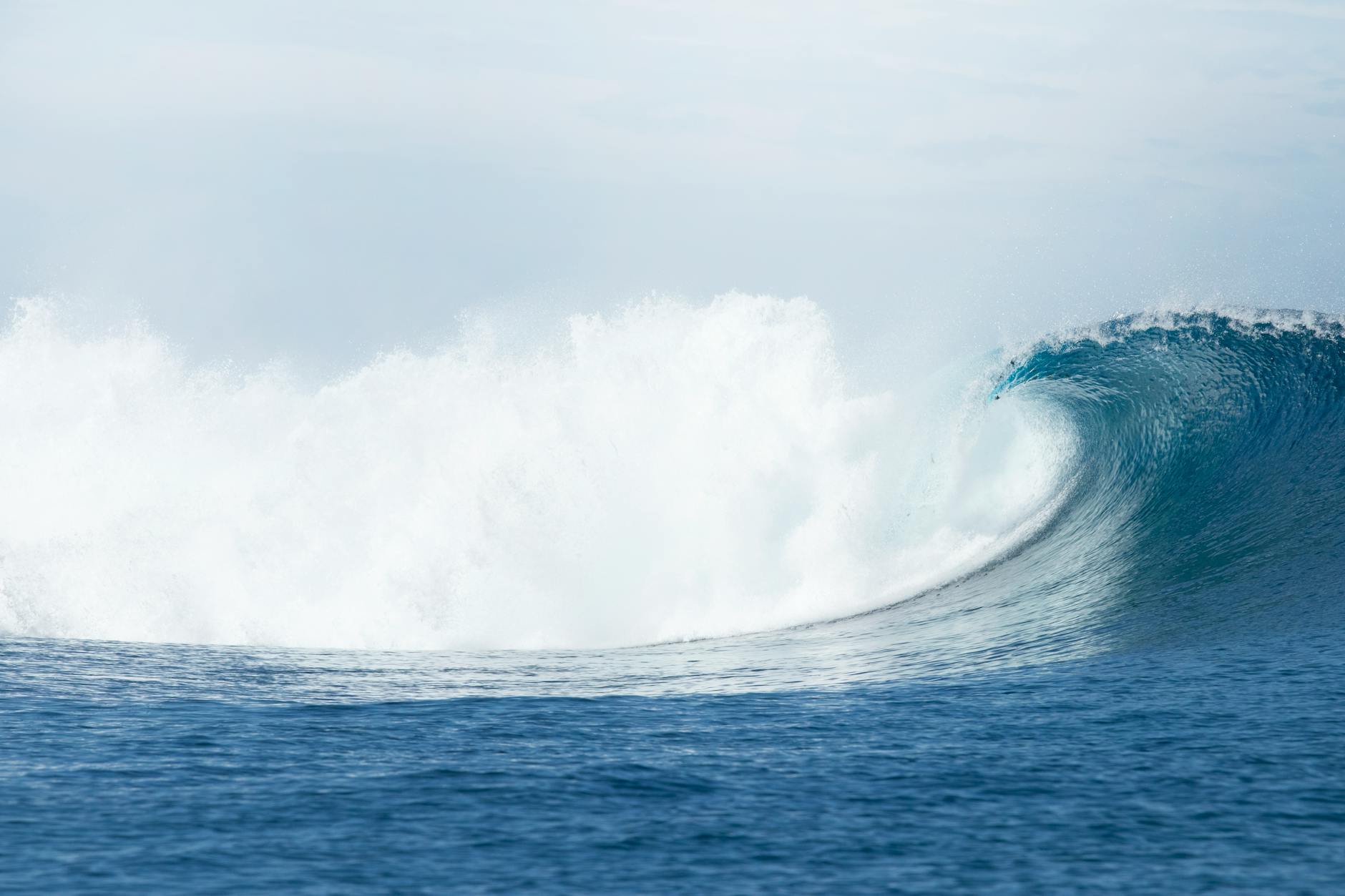
Waves
Best Surf Spots in Ecuador 2026: Epic Pacific Coast Breaks
Ecuador packs some of South America's most consistent surf breaks along its 2,237 kilometers of Pacific coastline. You'll find everything from beginner-friendly beach breaks in Montañita to powerful reef breaks near Manta, all served up with year-round surfable conditions and budget-friendly prices that won't break the bank...

Ecuador packs some of South America's most consistent surf breaks along its 2,237 kilometers of Pacific coastline. You'll find everything from beginner-friendly beach breaks in Montañita to powerful reef breaks near Manta, all served up with year-round surfable conditions and budget-friendly prices that won't break the bank. The country's compact size means you can surf multiple breaks in a single day, while the lack of crowds at most spots gives you plenty of room to catch waves without fighting for position.

What sets Ecuador apart from other South American surf destinations is the perfect water temperature (21-24°C year-round) and reliable swell exposure from both northern and southern Pacific storms. You won't need a thick wetsuit, and you'll rarely face completely flat conditions. The country sits right in the sweet spot where northern hemisphere winter swells and southern hemisphere winter swells overlap, creating consistent waves from December through April and decent surf the rest of the year.
Ecuador's surf scene remains refreshingly uncrowded compared to Peru or Costa Rica. Outside of Montañita on busy weekends, you'll often find yourself sharing breaks with just a handful of other surfers. The country offers an authentic Latin American surf experience without the inflated prices you'll encounter in more developed surf destinations.
Why Ecuador is South America's Hidden Surf Gem
Ecuador flies under the radar in South American surf discussions, overshadowed by Peru's longer coastline and Chile's big-wave reputation. But this works in your favor. You'll discover world-class waves without the crowds, affordable accommodation starting at $10 per night, and a surf culture that welcomes newcomers rather than guarding local breaks jealously.
The country's geographic diversity creates varied surf conditions within short distances. The northern coast around Esmeraldas receives consistent groundswell from North Pacific storms. The central region near Manta benefits from both northern and southern swells, creating year-round surf opportunities. The southern coast around Salinas offers more protected bays perfect for beginners and longboarders.
Ecuador's stable political climate and growing surf infrastructure make it increasingly attractive to traveling surfers. Unlike some neighboring countries, you won't deal with safety concerns that plague other regional surf destinations. The government actively promotes surf tourism, leading to improved road access to remote breaks and better facilities in surf towns.
Pro Tip: Visit during shoulder seasons (May-June or September-November) for smaller crowds, lower accommodation prices, and still-decent surf conditions.
Montañita: Ecuador's Premier Surf Town
Montañita serves as Ecuador's undisputed surf capital, drawing wave riders from across South America to its consistent right-hand point break. The town transforms from sleepy fishing village by day to party hotspot by night, offering the perfect blend of surf and social scene that keeps visitors coming back.
The main break produces rideable waves 300+ days per year, with wave heights ranging from 1-3 meters on typical days and jumping to 4-6 meters during big swells. The wave breaks over a rocky bottom, creating a fast, hollow right-hander that works best on incoming tides. Intermediate to advanced surfers will find the most enjoyment here, though beginners can catch waves on smaller days.
Montañita's surf infrastructure rivals any established surf destination. You'll find over a dozen surf shops offering board rentals ($15-25 per day), surf lessons ($20-30 per session), and quality repairs. Local surf guides know hidden breaks along the coast and can arrange transport to less crowded spots for $40-60 per day.
- Wave type: Right-hand point break over rocks
- Best conditions: Southwest to west swells, light offshore winds
- Skill level: Intermediate to advanced (beginners on small days)
- Crowd factor: Can get busy on weekends and holidays
- Access: Easy walk from town center
The town offers accommodation options from $8 backpacker hostels to $80 boutique hotels. Restaurants serve fresh seafood at reasonable prices, with most meals costing $3-8. The nightlife scene centers around beachfront bars that stay open until 3am, making Montañita popular with younger travelers and surf-focused party crowds.
Northern Coast: Consistent Breaks Near Esmeraldas
Ecuador's northern coast between Esmeraldas and the Colombian border receives the most consistent swell exposure in the country. This region catches year-round waves from North Pacific storms, creating surf opportunities even during Ecuador's typically smaller summer months (June-September).
Atacames offers the region's most accessible surf, with multiple peaks breaking along a 3-kilometer beach. The waves work on all tides and handle various swell directions, making it perfect for surfers of all skill levels. Beach breaks produce both lefts and rights, with wave heights typically ranging 1-2 meters.
Sua provides a more mellow alternative, featuring protected bay conditions ideal for beginners and longboarders. The waves rarely exceed 1.5 meters, but the consistency and forgiving nature make it excellent for progression. Several local surf schools operate from the beach, offering lessons for $15-25.
Canoa delivers more powerful surf for experienced riders. The beach break produces fast, punchy waves that can reach 3-4 meters during large swells. The town maintains a relaxed atmosphere compared to Montañita, with cheaper accommodation ($6-15 per night) and fewer crowds in the water.
Note: Northern coast breaks work best during December through April when North Pacific storms generate the largest swells.
Central Coast: Manta to Puerto López Surf Zones
The central coastline between Manta and Puerto López offers Ecuador's most diverse surf experiences, combining powerful reef breaks, gentle beach breaks, and world-class point breaks within a 100-kilometer stretch.

Manta serves as the region's commercial hub and offers excellent urban surf access. The city's main beach produces consistent 1-3 meter waves year-round, with several peaks breaking along the shoreline. The waves work best on incoming tides with light winds, typically offering the cleanest conditions during early morning sessions.
San Lorenzo features Ecuador's most powerful reef break, generating hollow barrels that challenge experienced surfers. The wave breaks over a shallow coral reef, creating fast, technical rides that demand respect and skill. Only attempt this break if you're comfortable surfing overhead reef breaks and can handle powerful currents.
Puerto López combines quality surf with whale watching opportunities from June through September. The town's point break produces long, workable waves perfect for high-performance surfing and longboarding. Humpback whales migrate through the area during Ecuador's winter months, creating unique opportunities to surf while spotting marine wildlife.
- Los Frailes: Protected beach break inside Machalilla National Park
- Ayangue: Mellow bay waves perfect for beginners
- Olón: Consistent beach break with multiple peaks
This region offers the best value for surf travelers, with accommodation costs 30-50% lower than Montañita while maintaining good surf quality. Most towns feature basic surf amenities including board rentals and local surf guides.
Southern Coast: Playas and Salinas Surf Scenes
Ecuador's southern coast around Playas and Salinas caters to surfers seeking mellow waves and family-friendly environments. This region produces smaller, more manageable surf compared to northern breaks, making it ideal for beginners, longboarders, and surfers preferring less challenging conditions.

Salinas operates as Ecuador's most developed beach resort, offering luxury accommodation and consistent small waves. The protected bay creates gentle 1-2 meter waves that break slowly over sandy bottom, perfect for surf progression and relaxed sessions. Multiple surf schools operate from the main beach, providing professional instruction in English and Spanish.
Playas delivers Ecuador's longest rideable waves, with some sections offering rides exceeding 200 meters on optimal days. The beach break produces both lefts and rights, though the rights tend to be longer and more workable. The town maintains an authentic Ecuadorian fishing village atmosphere while offering basic surf amenities.
La Libertad serves as the region's transport hub and features several surf breaks within walking distance of the bus terminal. The waves rarely exceed 2 meters but provide consistent surf for travelers passing through the area. Local surf shops rent equipment and provide information about other regional breaks.
Pro Tip: Southern coast breaks work exceptionally well during Ecuador's summer months (June-September) when northern swells are smaller but southern hemisphere swells begin arriving.
Best Time to Surf Ecuador's Pacific Coast
Ecuador offers year-round surfable conditions, but timing your visit correctly maximizes wave quality and minimizes crowds. The country's equatorial location creates relatively stable weather patterns, though distinct wet and dry seasons affect surf conditions.
December through April represents Ecuador's prime surf season. Northern Pacific storms generate consistent groundswell, creating the largest and most powerful waves of the year. Expect wave heights of 2-4 meters at most breaks, with some locations handling 6+ meter swells during exceptional storms. This period coincides with Ecuador's wet season, bringing afternoon rain showers but maintaining warm temperatures.
May through November offers smaller but more predictable surf. Wave heights typically range 1-3 meters, perfect for progression and relaxed sessions. The dry season brings sunny skies and light offshore winds, creating cleaner wave faces and better surfing conditions. This period sees fewer crowds and lower accommodation prices.
- Peak season (Dec-Apr): Largest swells, most crowds, highest prices
- Shoulder season (May-Jun, Sep-Nov): Moderate waves, fewer people, good value
- Low season (Jul-Aug): Smallest waves, minimal crowds, lowest prices
Water temperature remains comfortable year-round, ranging from 21°C in August to 24°C in March. Most surfers find the water comfortable without wetsuits, though a 2/3mm spring suit provides extra comfort during longer sessions or cooler months.
Consider regional variations when planning your trip. Northern coast breaks receive more consistent swell during the wet season, while southern breaks can produce surprising quality during dry season months when southern hemisphere storms send energy toward Ecuador's coast.
Essential Surf Trip Planning for Ecuador
Planning a surf trip to Ecuador requires minimal preparation compared to more remote surf destinations. The country's improving infrastructure and tourist-friendly policies make it accessible for surfers of all experience levels and budgets.
Getting to Ecuador's surf breaks typically involves flying into Quito (UIO) or Guayaquil (GYE). Guayaquil offers closer access to most surf destinations, sitting just 2-3 hours from major breaks by bus or rental car. From Quito, expect 6-8 hour overland journeys to reach the coast.
Transportation to Montañita from major cities costs $8-15 by bus and takes 3-4 hours from Guayaquil. Direct bus services operate hourly during peak season, with comfortable coaches featuring air conditioning and Wi-Fi. Rental cars provide more flexibility for exploring multiple breaks but expect to pay $35-50 per day plus fuel costs.
- Budget travelers: $20-30 per day (hostels, local food, bus transport)
- Mid-range surfers: $40-60 per day (private rooms, mixed dining, occasional taxis)
- Comfort seekers: $80-120 per day (hotels, restaurant meals, rental car)
Surf equipment rental is widely available in established surf towns. Expect to pay $15-25 per day for quality boards, with weekly rates offering better value. Most rental shops stock boards suitable for local conditions, though serious surfers should consider bringing their own equipment to ensure proper fit and performance.
Travel insurance covering surf-related activities is essential. Ecuador's medical facilities vary significantly between urban and rural areas. Comprehensive coverage should include medical evacuation, as serious surf injuries may require transport to Quito or Guayaquil for specialized treatment.
If you're planning to explore other South American surf destinations, consider combining Ecuador with Best Surf Spots in Colombia 2026 for an epic Pacific coast surf safari, or compare conditions with other world-class destinations like Best Surf Spots in Fiji 2026 and Best Waves in Australia 2026.
Ecuador Surf Safety and Local Etiquette
Ecuador maintains relatively safe conditions for surf travelers, but understanding local customs and safety considerations ensures positive experiences for everyone in the water. The country's surf culture welcomes international visitors while expecting basic respect for local traditions and wave-sharing etiquette.
Water safety requires attention to several key factors. Strong currents affect most point breaks and reef breaks, particularly during large swells. Always surf with others when possible, and inform someone onshore about your planned session duration. Shallow reef breaks like San Lorenzo demand experience and caution, as coral cuts heal slowly in tropical conditions.
Local surf etiquette follows international standards with some regional variations. Locals receive priority at most breaks, especially during peak times and large swells. Wait your turn, share waves generously, and avoid dropping in on others. Most Ecuadorian surfers are friendly and welcoming, particularly if you show respect for local customs.
- Sun protection: Equatorial sun burns quickly, use SPF 30+ and reapply frequently
- Marine life: Occasional stingrays in sandy areas, shuffle feet when walking
- Theft prevention: Don't leave valuables unattended on beaches
- Emergency contacts: Save local emergency numbers (911) and nearest hospital locations
Cultural considerations enhance your surf travel experience. Learn basic Spanish phrases, particularly surf-related terminology. "¿Cómo están las olas?" (How are the waves?) and "Gracias por las olas" (Thanks for the waves) demonstrate respect and often lead to helpful local advice about conditions and hidden breaks.
Environmental responsibility is increasingly important as surf tourism grows. Avoid standing on coral reefs, pack out all trash, and choose reef-safe sunscreen to protect marine ecosystems. Many local surf communities actively work to preserve their breaks and coastlines for future generations.
Warning: Riptides can be strong at exposed beach breaks. If caught in a rip current, don't panic and paddle parallel to shore until you escape the current's pull.
For broader travel inspiration beyond surf destinations, check out Bali's Most Captivating Beaches 2026 or explore diverse options across Best Places to Visit in USA. You might also find inspiration comparing Ecuador's waves to other renowned surf destinations like Best Waves in South Africa 2026.
Ecuador's Pacific coast delivers consistent waves, affordable prices, and uncrowded lineups that make it one of South America's best-kept surf secrets. Whether you're seeking the party atmosphere of Montañita, the powerful reef breaks near Manta, or the mellow beach breaks around Salinas, Ecuador offers surf experiences to match every skill level and budget. Pack your boards, brush up on basic Spanish, and prepare to discover why Ecuador deserves serious consideration for your next surf adventure.