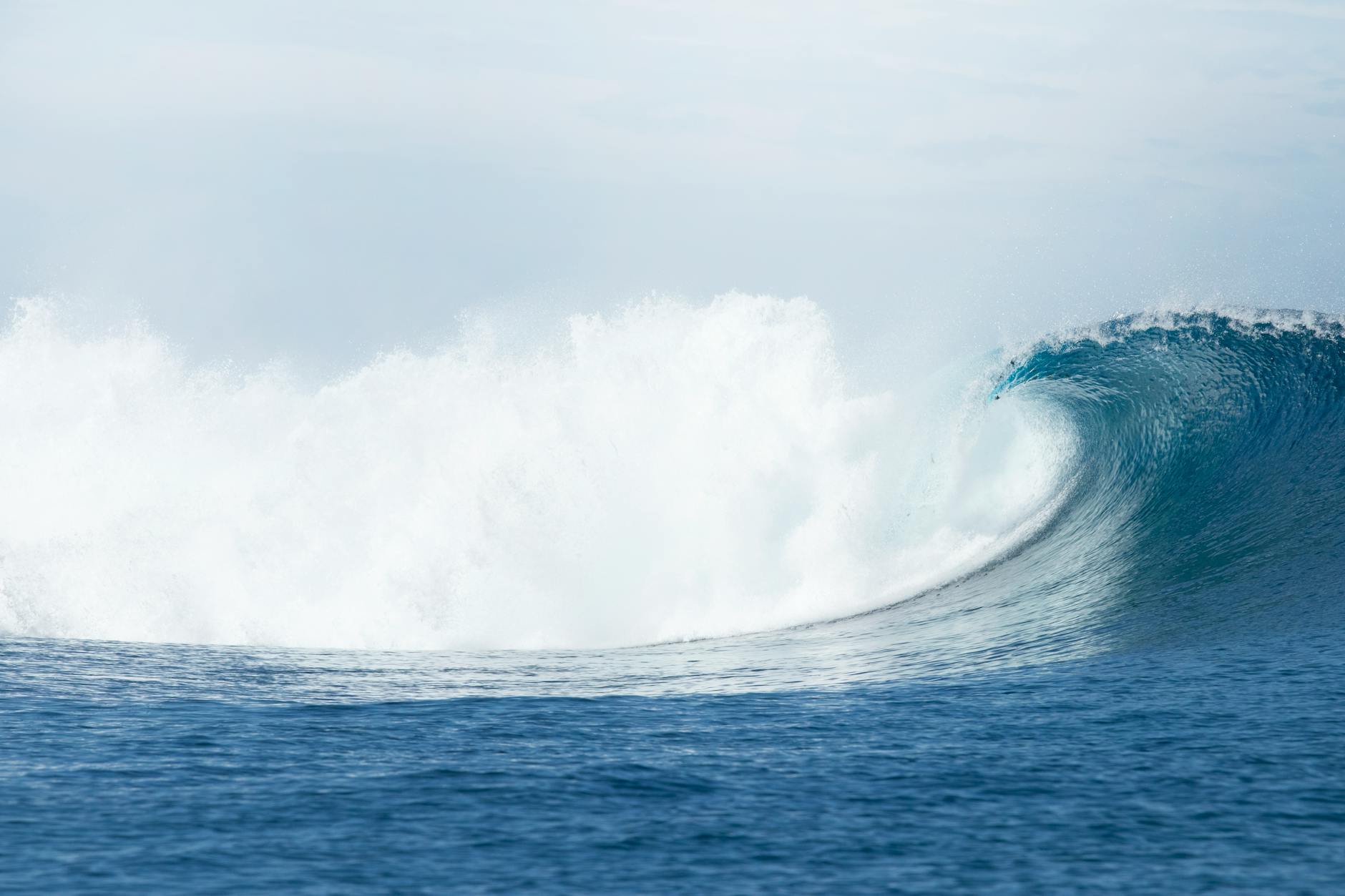
Waves
Best Surf Spots in Fiji 2026: Ultimate Guide to Epic Breaks
Fiji delivers some of the most perfect barrel waves on the planet, where crystal-clear water breaks over shallow coral reefs to create the kind of tubes surfers dream about. You'll find world-class left...

Fiji delivers some of the most perfect barrel waves on the planet, where crystal-clear water breaks over shallow coral reefs to create the kind of tubes surfers dream about. You'll find world-class left and right-hand breaks scattered across remote islands, accessible only by boat, where the warm Pacific Ocean produces consistent swells year-round. From the legendary Cloudbreak to the approachable Swimming Pools, Fiji's surf spots offer everything from beginner-friendly waves to expert-only death slabs that test even professional surfers.
The remote location means fewer crowds than Hawaii or Australia's premier surf destinations, but it also means higher costs and more complex logistics. Most breaks require boat transfers from the mainland, and accommodation ranges from luxury surf resorts to budget-friendly surf camps. You'll need to plan ahead, especially during peak season from April to October when trade winds blow offshore and swells are most consistent.

Cloudbreak: Fiji's Most Legendary Surf Break
Cloudbreak stands as one of the world's most perfect left-hand reef breaks, located about 1 to 1.5 miles south of Tavarua Island. This wave has hosted the Fiji Pro for over a decade and produced some of surfing's most iconic barrel footage. The wave breaks over a shallow coral reef in water that ranges from 3 to 15 feet deep depending on the tide.
The break works best on mid to high tide with south to southwest swells. You'll find the wave most consistent from March through October, when southern hemisphere storms send long-period swells across the Pacific. Wave heights range from 2 to 20 feet, with the bigger days reserved for only the most experienced surfers.
Access requires a boat transfer from either Tavarua Island Resort or one of the mainland operators in Nadi. Day trip boat transfers cost around $150-200 FJD per person as of 2026, including lunch and water. The ride takes about 45 minutes from Nadi Bay, and operators typically run trips when waves are 4 feet or larger.
Warning: Cloudbreak is extremely shallow at low tide, with razor-sharp coral just inches below the surface. Only attempt this break if you're an advanced surfer with reef break experience.
The wave offers multiple sections depending on swell direction and size. The main peak breaks left and can produce barrels up to 200 meters long on bigger swells. Intermediate to advanced surfers should stick to the shoulder sections, while only experts should attempt the main bowl where the wave initially breaks.
Restaurants (Namotu Island): Perfect Barrels for All Levels
Restaurants breaks directly in front of Namotu Island and offers Fiji's most consistent and forgiving barrel wave. This right-hand reef break works on almost any tide and handles a wide range of swell directions, making it perfect for surfers looking to improve their barrel-riding skills without the life-threatening consequences of shallower breaks.
The wave breaks over a deeper reef than Cloudbreak, with water depths ranging from 6 to 20 feet depending on the section and tide. This extra depth makes it much safer for intermediate surfers while still producing world-class barrels for experts. The wave works best with southeast to south swells and handles sizes from 3 to 15 feet.
Namotu Island Resort provides the closest access, with waves literally breaking in front of the accommodation. Day trips from mainland operators cost around $120-160 FJD per person as of 2026. The boat ride from Nadi takes about 35 minutes, and most operators include lunch and beverages in the price.
What makes Restaurants special is its consistency. Unlike many reef breaks that only work on specific tides or swell directions, Restaurants produces quality waves almost daily during swell season. The wave offers both barrel sections for advanced surfers and open-face walls perfect for intermediate surfers practicing their turns.
Tavarua Island: Multiple World-Class Breaks in One Location
Heart-shaped Tavarua Island serves as the epicenter of Fiji surfing, providing access to multiple world-class breaks within a short boat ride. The island hosts Tavarua Island Resort, which has been the base for professional surf photography and filming for decades. From Tavarua, you can access Cloudbreak, Restaurants, and several other quality breaks depending on wind and swell conditions.
The island's unique position in the Mamanuca chain creates a natural windbreak that helps maintain clean wave faces even when trade winds are blowing. Tavarua Island Resort charges around $800-1,200 FJD per night as of 2026, but this includes all meals, boat transfers to breaks, and professional surf guides who know exactly where to go based on daily conditions.
Beyond Cloudbreak, Tavarua provides access to several other breaks including Desperations, a left-hand reef break that works well on smaller swells, and Cloudbreak Rights, a right-hand wave that breaks on the opposite side of the reef during specific swell directions. These secondary breaks ensure you'll always find surfable waves regardless of conditions.
The island's infrastructure includes a full surf guide service, equipment rental, and medical facilities. Resort guides monitor swell forecasts and tide charts daily, ensuring guests surf the best possible conditions. This level of service justifies the high accommodation costs for serious surfers looking to maximize their wave count.
Swimming Pools & Wilkes Passage: Accessible Fiji Surf Spots
Swimming Pools offers Fiji's most beginner-friendly reef break experience, located near Namotu Island with easier boat access from the mainland. The break gets its name from the crystal-clear, pool-like water that allows you to see the coral reef clearly beneath your board. Wave heights typically range from 3 to 8 feet, making it perfect for intermediate surfers transitioning to reef breaks.
The reef here sits in slightly deeper water than other Fiji breaks, with depths of 8 to 25 feet depending on the tide. This extra safety margin allows surfers to learn reef break dynamics without the extreme consequences of shallower spots. The wave offers both left and right-hand sections, giving surfers options based on their preferred direction.
Day boat access to Swimming Pools costs around $100-140 FJD per person from Nadi-based operators as of 2026. The break works best on mid to high tide with south to southeast swells. Unlike the more famous breaks, Swimming Pools maintains good shape even with light onshore winds, extending the number of surfable days.
Wilkes Passage provides another accessible option with a mix of reef and sand-bottom breaks spread along a 2-mile stretch. The passage offers protection from larger swells while still maintaining enough power for quality surfing. Multiple peaks along the passage mean less crowding, even during peak season when other breaks become busy.
Frigates Passage: Heavy Barrels for Expert Surfers Only
Frigates Passage represents Fiji surfing at its most dangerous and perfect, breaking over an extremely shallow coral shelf that creates flawless but potentially life-threatening barrels. This left-hand reef break only works on specific combinations of swell, wind, and tide, but when conditions align, it produces some of the most perfect waves you'll ever see.
The wave breaks in water as shallow as 2 to 3 feet over sharp coral, making it strictly for expert surfers with extensive reef break experience. Even professional surfers approach Frigates with extreme caution, and rescue jet skis are essential safety equipment. The break typically handles swells from 6 to 20 feet, with larger swells creating impossibly perfect but incredibly dangerous conditions.
Access requires specialized boat operators familiar with the break's hazards and rescue protocols. Boat transfers cost $200-300 FJD per person as of 2026, reflecting the additional safety equipment and experienced crews required. Most operators require proof of advanced surfing ability before taking surfers to Frigates.
Pro Tip: Only surf Frigates Passage with local guides who know the reef layout and emergency procedures. The nearest medical facility is over an hour away by boat.
The wave works best on low to mid tide with clean south to southwest swells. Wind direction is critical, as even light onshore winds can make the wave unsurfable due to the shallow reef. When conditions are perfect, Frigates produces 100-meter-plus barrels that rank among the world's best waves, but the margin for error is essentially zero.
Best Time to Surf in Fiji: Seasons, Swells, and Weather
Fiji's surf season follows the southern hemisphere storm patterns, with the most consistent swells arriving from March through October. Peak season runs from May to September when trade winds blow offshore, creating clean wave faces and consistent daily surf. During this period, you can expect surfable waves 85-90% of days, with wave heights typically ranging from 4 to 12 feet.
The dry season offers the best overall conditions with minimal rainfall, steady trade winds, and regular swell pulses from southern ocean storms. Water temperature stays warm year-round at 78-82°F, so you'll only need boardshorts or a thin wetsuit top for early morning sessions. Air temperatures range from 75-85°F during peak season.
November through April marks cyclone season, bringing inconsistent surf but also the potential for massive swells when storms track through the region. Cyclone swells can produce waves over 20 feet, but these events are unpredictable and often accompanied by dangerous winds and rain. Many surf resorts close or reduce operations during peak cyclone months (January to March).
- May to September: Peak surf season with consistent 4-12 foot swells, offshore trade winds, and minimal rain
- October to December: Shoulder season with good surf but increasing chance of rain and variable winds
- January to April: Cyclone season with inconsistent surf, potential for huge swells, but higher risk of storms
Trade wind patterns are crucial for wave quality. The southeast trades blow offshore at most major breaks, creating clean barrel conditions. When trades weaken or shift direction, wave quality deteriorates rapidly. Check wind forecasts as carefully as swell forecasts when planning your trip.
Getting to Fiji's Surf Spots: Boats, Transfers, and Access
Most of Fiji's world-class surf breaks require boat access from either Nadi on the main island or from surf resort bases on smaller islands. Nadi International Airport serves as the main entry point, located about 20 minutes from the boat harbors that service the Mamanuca surf breaks. Direct flights connect Nadi to Australia, New Zealand, and major Pacific cities.
Day boat operators in Nadi offer the most budget-friendly access to breaks like Cloudbreak, Restaurants, and Swimming Pools. Full-day surf charters typically cost $120-200 FJD per person as of 2026, including boat transport, lunch, water, and basic equipment. Boats usually depart around 7 AM and return by 5 PM, allowing for multiple surf sessions at different breaks based on conditions.
Private boat charters provide more flexibility and access to remote breaks but cost significantly more. Private charters range from $800-1,500 FJD per day for groups of 4-8 surfers, depending on boat size and destination breaks. This option works well for experienced surfers who want to explore lesser-known spots or surf uncrowded waves.
Surf resort boat services offer the most convenient access but at premium prices. Resorts like Tavarua Island and Namotu Island provide dedicated surf boats with professional guides, safety equipment, and direct access to multiple breaks. Resort boat services are typically included in accommodation packages that range from $600-1,200 FJD per night.
Note: Boat schedules depend heavily on weather conditions. During strong trade winds or storms, operators may cancel trips or restrict access to certain breaks for safety reasons.
Where to Stay for Surfing in Fiji: Resorts vs Surf Camps
Fiji offers accommodation options ranging from luxury surf resorts positioned directly at world-class breaks to budget-friendly surf camps on the mainland with daily boat access. Tavarua Island Resort and Namotu Island Resort provide the ultimate surf experience with waves breaking directly in front of your accommodation, but expect to pay $800-1,200 FJD per night including meals and boat transfers.
These island resorts offer unmatched convenience and wave access, with professional surf guides, equipment rental, photography services, and medical facilities on-site. Resort guests get priority access to breaks and benefit from expert local knowledge about tides, swell forecasts, and optimal surf times. The high cost reflects the remote location, limited capacity, and comprehensive surf services.
Mainland surf camps in Nadi and surrounding areas provide budget-conscious access to the same world-class waves through daily boat trips. Budget surf accommodations range from $50-150 FJD per night for dorm beds to private rooms, with day boat trips adding $120-200 FJD per person. This option allows flexible trip planning and works well for surfers traveling in groups.
Popular mainland options include surf hostels in Nadi, beachfront bures (traditional Fijian houses) in nearby villages, and mid-range hotels with surf packages. Many mainland accommodations partner with boat operators to offer discounted surf packages combining lodging and daily boat access to breaks.
- Island Surf Resorts: Premium experience with direct wave access, all-inclusive packages, professional guides
- Mainland Surf Camps: Budget-friendly option with daily boat access, flexible scheduling, social atmosphere
- Mid-range Hotels: Comfortable accommodation with surf package deals, good compromise between cost and convenience
Consider staying on the mainland if you want to explore Fiji beyond surfing, as island resorts focus almost exclusively on surf activities. Mainland bases also provide backup options when weather prevents boat access to outer reef breaks, similar to how surfers base themselves near South Africa's diverse surf regions for maximum flexibility.
Frequently Asked Questions About Surfing in Fiji
What is the best time of year to surf in Fiji? May through September offers the most consistent surf with offshore trade winds and regular swell pulses from southern ocean storms. You can expect surfable waves 85-90% of days during this peak season, with wave heights typically ranging from 4 to 12 feet.
How much does it cost to surf Cloudbreak? Day boat trips to Cloudbreak from Nadi operators cost around $150-200 FJD per person as of 2026, including lunch and beverages. Private charters range from $800-1,500 FJD per day for groups, while staying at Tavarua Island Resort (with direct Cloudbreak access) costs $800-1,200 FJD per night including meals and boat transfers.
Can beginner surfers find waves in Fiji? Yes, breaks like Swimming Pools and certain sections of Restaurants offer beginner-friendly reef break experiences with deeper water and more forgiving wave characteristics. However, most of Fiji's famous breaks are designed for intermediate to advanced surfers due to shallow coral reefs.
Do you need a boat to reach Fiji's best surf spots? Absolutely. All of Fiji's world-class surf breaks are located on outer reefs accessible only by boat from either Nadi on the main island or from surf resort bases on smaller islands. There are no shore breaks comparable to the reef breaks that make Fiji famous.
Is Fiji surfing dangerous due to shallow reefs? Many of Fiji's breaks are extremely shallow with sharp coral reefs just beneath the surface, making them dangerous for inexperienced surfers. Breaks like Cloudbreak and Frigates Passage break in water as shallow as 2-3 feet over razor-sharp coral. Always surf with experienced guides and proper safety equipment.
Fiji's surf breaks represent the pinnacle of reef break surfing, offering some of the most perfect barrels on the planet for those with the skills and preparation to handle challenging conditions. While destinations like Bali's beaches offer different surf experiences, Fiji's remote reef breaks provide unmatched barrel quality for experienced surfers. The combination of warm water, consistent swells, and relatively uncrowded lineups makes Fiji a bucket-list destination for any serious surfer, just remember that paradise comes with both premium prices and serious respect for the ocean's power. Unlike more accessible surf destinations such as popular USA surf spots, Fiji demands careful planning, substantial investment, and advanced surfing skills to truly appreciate its world-class offerings.


