
Towns
Best Towns in Uruguay 2026: Charming Colonial & Coastal Gems
Uruguay delivers some of South America's most enchanting small-town experiences, where colonial cobblestones meet pristine Atlantic beaches and every village tells a story spanning centuries. You'll discover Portuguese fortress towns frozen in time, bohemian surf havens where artists gather around beach bonfires, and exclusive coastal retreats that rival the French Riviera...

Uruguay delivers some of South America's most enchanting small-town experiences, where colonial cobblestones meet pristine Atlantic beaches and every village tells a story spanning centuries. You'll discover Portuguese fortress towns frozen in time, bohemian surf havens where artists gather around beach bonfires, and exclusive coastal retreats that rival the French Riviera. What sets Uruguay's towns apart from other South American destinations is their intimate scale and European sophistication, combined with that distinctly Uruguayan warmth that makes every interaction feel like catching up with an old friend.
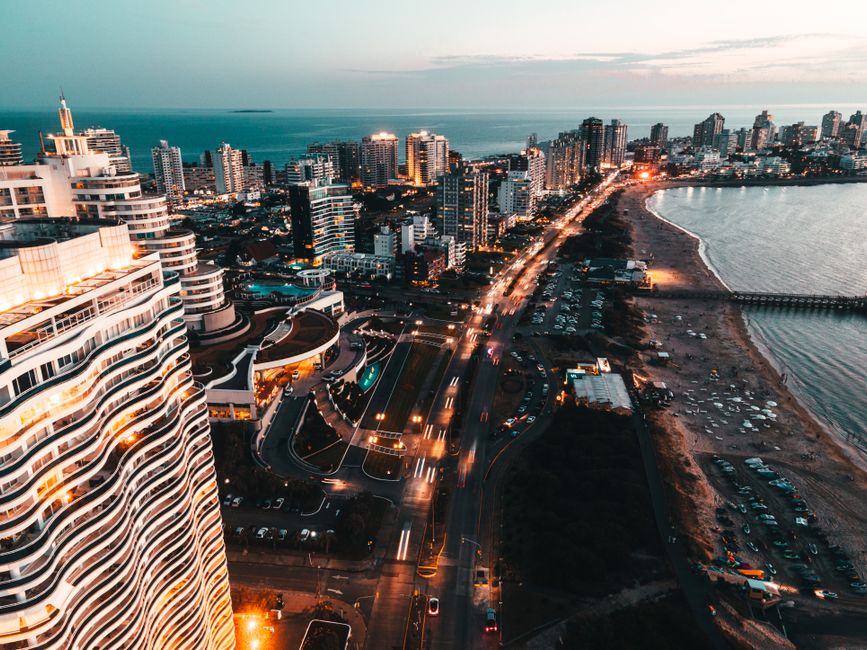
Unlike Argentina's sprawling cities or Brazil's massive beach resorts, Uruguay's towns offer the perfect middle ground where you can walk from colonial squares to ocean waves in minutes. The country's compact size means you can easily explore multiple destinations in a week, each offering its own character and charm. From UNESCO World Heritage sites to hidden fishing villages, Uruguay's towns provide authentic experiences without the crowds you'll find elsewhere in South America.
Why Uruguay's Small Towns Captivate Travelers
Uruguay's small towns possess a magnetic quality that keeps travelers coming back. The country's unique history as a buffer zone between Spanish and Portuguese empires created a cultural blend you won't find anywhere else. You'll notice this immediately in the architecture, where colonial Spanish churches stand beside Portuguese fortifications, all surrounded by French-influenced mansions from the early 1900s.
The pace of life in these towns moves at a refreshing speed. Locals still gather in central plazas for evening mate sessions, family-run restaurants serve the same recipes their grandmothers used, and shop owners remember your name after a single visit. This authenticity extends beyond tourist areas, unlike many other South American beach destinations where development has erased local character.
Uruguay's political stability and progressive social policies create an atmosphere of openness and safety that makes exploration effortless. You'll feel comfortable walking around at night, engaging with locals, and venturing off the beaten path. The country's strong middle class means infrastructure works reliably, from ATMs to internet connections, while maintaining that small-town charm.
Pro Tip: Visit during shoulder season (March-May or September-November) for perfect weather, lower prices, and fewer crowds while still enjoying warm temperatures and long days.
Colonia del Sacramento: Colonial UNESCO Heritage
Colonia del Sacramento stands as Uruguay's crown jewel, a perfectly preserved 17th-century Portuguese settlement that earned UNESCO World Heritage status in 1995. Walking through the Barrio Histórico feels like stepping into a time machine, with cobblestone streets so authentic they're still the original stones laid by Portuguese colonists over 350 years ago.

The town's strategic location on the Río de la Plata made it a contested prize between Spanish and Portuguese forces for over a century. This turbulent history left behind an architectural treasure trove where you'll find Portuguese colonial houses with their distinctive azulejo tiles, Spanish baroque churches, and remnants of colonial fortifications all within a few blocks.
- Calle de los Suspiros (Street of Sighs) - the most photographed street in Uruguay, lined with colonial houses and ending at the old city gate
- Lighthouse (Faro) - climb the 19th-century lighthouse for panoramic views across the river to Buenos Aires on clear days
- Basilica del Santísimo Sacramento - South America's oldest church building, dating to 1680
- Portuguese Museum - houses artifacts from the colonial period and explains the complex history of European settlement
Colonia works perfectly as either a day trip from Montevideo (1 hour by car) or Buenos Aires (1 hour by ferry), or as a peaceful overnight stop. The ferry connection with Buenos Aires makes it popular with Argentine weekenders, so book accommodations ahead for Friday and Saturday nights.
Punta del Diablo: Bohemian Beach Village
Punta del Diablo represents everything Uruguay does right with coastal development. This former fishing village has grown into a bohemian haven while maintaining its laid-back fishing village soul. You won't find high-rise hotels or chain restaurants here, just colorful wooden houses, beachfront hostels, and restaurants serving fresh seafood caught that morning.
The town sits on a dramatic stretch of coast where rocky headlands create secluded coves perfect for surfing, fishing, or simply watching the sunset with a beer. The main beach, Playa del Diablo, offers consistent surf breaks that attract boarders from across South America, while the protected coves provide calmer waters for swimming and kayaking.
What makes Punta del Diablo special is its commitment to sustainable tourism. Local regulations limit building heights and density, ensuring the town retains its village character. You'll stay in converted fishermen's houses or eco-friendly hostels built from reclaimed materials, eat at restaurants that source ingredients from local farms, and join beach cleanups organized by surf shops.
Note: Punta del Diablo can get crowded during peak summer season (December-February). Visit in March-April for excellent weather with fewer crowds and better surf conditions.
The town serves as an excellent base for exploring nearby attractions like Cabo Polonio, a remote lighthouse settlement accessible only by 4WD vehicles, and Parque Nacional Santa Teresa, where you can spot southern right whales during migration season (June-November).
Punta del Este: Upscale Resort Town
Punta del Este earned its reputation as the "Monaco of South America" through decades of attracting wealthy Argentines, Brazilians, and international celebrities to its pristine beaches and sophisticated nightlife scene. This peninsula town offers two distinct beach experiences: the calmer Playa Mansa on the river side and the wave-swept Playa Brava facing the open Atlantic.
The town's appeal lies in its perfect balance of natural beauty and urban sophistication. You can spend mornings on world-class beaches, afternoons browsing designer boutiques on Avenida Gorlero, and evenings at restaurants that rival anything in Buenos Aires or São Paulo. The famous Hand Sculpture (La Mano) on Playa Brava has become Uruguay's most Instagram-ed landmark, but the real attraction is the lifestyle.
Punta del Este transforms dramatically with the seasons. During summer (December-March), the population swells from 15,000 to over 200,000 as South America's elite arrive for the season. Beach clubs like La Huella and José Ignacio Beach establish exclusive scenes, while nightclubs stay open until dawn. In winter, the town becomes a peaceful retreat perfect for long beach walks and cozy restaurant dinners.
- Casapueblo - artist Carlos Páez Vilaró's white-washed Mediterranean-style complex overlooking the ocean
- Isla de Lobos - boat trips to see the world's second-largest sea lion colony
- Conrad Resort & Casino - Uruguay's premier casino and luxury resort complex
- Punta Shopping - upscale mall with international brands and local designers
While Punta del Este can feel expensive compared to other Uruguayan destinations, you'll find good value in shoulder seasons and by mixing luxury experiences with local favorites like beachside parrillas and neighborhood wine bars.
José Ignacio: Exclusive Coastal Hideaway
José Ignacio represents the evolution of Uruguayan coastal chic, a former fishing village that transformed into South America's most exclusive beach destination without losing its authentic character. This tiny town of fewer than 500 permanent residents attracts celebrities, artists, and discerning travelers who value privacy and understated luxury over flashy resort experiences.
The town centers around a picturesque lighthouse built in 1877, surrounded by weathered fishing boats and rustic restaurants that serve some of Uruguay's finest cuisine. Unlike Punta del Este's glitzy scene, José Ignacio maintains an effortless sophistication where barefoot elegance is the dress code and the focus stays on exceptional food, wine, and natural beauty.
José Ignacio's beaches offer something for everyone. The main beach provides calm waters perfect for swimming and paddleboarding, while nearby Playa Brava delivers consistent surf breaks. The town's compact size means everything is within walking distance, from beachfront restaurants to boutique hotels hidden behind native vegetation.
The culinary scene puts José Ignacio on the map for food lovers. Restaurants like La Huella pioneered the relaxed beachfront dining concept that has spread throughout Uruguay, serving grilled seafood and grass-fed beef in sand-floor dining rooms steps from the waves. Many establishments source ingredients from their own organic gardens or local producers, creating a farm-to-table experience enhanced by ocean views.
Similar to other South American coastal destinations featured in our Best Surf Spots in Colombia 2026: Epic Pacific & Caribbean B guide, José Ignacio offers world-class waves, but with a distinctly Uruguayan twist of sophisticated simplicity.
Carmelo: Wine Country Charm
Carmelo sits along the Uruguay River in the country's premier wine-producing region, offering a completely different experience from the coastal towns. This riverside settlement combines historic architecture with modern wineries, creating Uruguay's answer to Napa Valley but with a distinctly South American character and without the crowds.
The town's location in the Colonia Department benefits from a unique microclimate influenced by both the Uruguay River and proximity to the Río de la Plata. This creates perfect conditions for growing Tannat, Uruguay's signature grape variety, along with excellent Sauvignon Blanc and Cabernet Sauvignon. You'll taste wines that rival anything from neighboring Argentina but with a more intimate, family-winery atmosphere.
- Bodega Narbona - luxury wine resort with vineyard tours, tastings, and gourmet restaurant
- Four Seasons Carmelo - upscale resort with golf course and spa overlooking the river
- El Legado - boutique winery known for innovative blends and sustainable practices
- Historic downtown - 19th-century architecture and riverside promenade perfect for evening walks
Carmelo works excellently as part of a longer Uruguay itinerary, especially when combined with Colonia del Sacramento (45 minutes away) and Buenos Aires (accessible by boat). The town offers luxury accommodations but maintains reasonable prices compared to similar wine destinations in Best Canyons in Argentina 2026: Epic Desert & Patagonian Gor.
The riverside location provides opportunities beyond wine tasting. You can take boat trips to explore river islands, try your hand at fishing for dorado and surubí, or simply enjoy long riverside walks where gauchos still move cattle along traditional routes.
La Paloma: Authentic Coastal Living
La Paloma offers the most authentic coastal experience in Uruguay, a working fishing port where tourism supplements rather than replaces traditional maritime life. This relaxed town provides the perfect antidote to more developed beach destinations, where you can watch fishing boats return with the day's catch while sipping mate on the harbor wall.
The town's beaches each have distinct personalities. Playa La Balconada offers calm, protected waters ideal for families, while Playa Los Botes provides direct access to the fishing fleet and excellent seafood restaurants. Playa La Aguada stretches for kilometers with consistent surf breaks and enough space that you'll never feel crowded, even during peak season.
La Paloma's appeal lies in its authenticity. Restaurants serve fish caught that morning by boats you can see from your table. Local markets sell produce grown on nearby farms. Accommodations range from simple guesthouses run by fishing families to comfortable hotels that maintain the town's low-key character.
Warning: La Paloma can feel quiet during off-season (May-September) when many tourist services close. Check accommodation and restaurant availability before visiting during winter months.
The town serves as an excellent base for exploring the wider Rocha Department, including nearby Cabo Polonio and the extensive beaches of Parque Nacional Santa Teresa. You can arrange boat trips to spot whales during migration season, horseback rides through coastal dunes, or simply enjoy the rare pleasure of having beautiful beaches largely to yourself.
Planning Your Uruguay Towns Adventure
Uruguay's compact size makes multi-town exploration both practical and rewarding. Most travelers find 7-10 days perfect for experiencing the country's diverse town character, though you could easily spend weeks diving deeper into each destination's unique offerings.
The most efficient approach involves flying into Montevideo's Carrasco International Airport and renting a car for maximum flexibility. Uruguay's road network is excellent, with well-maintained highways connecting all major towns. Distances are manageable: Montevideo to Colonia del Sacramento takes 90 minutes, while reaching Punta del Este requires just 2 hours from the capital.
For those preferring public transportation, Uruguay's bus system connects all major towns with comfortable, air-conditioned coaches. Companies like COT and COPSA operate frequent services between destinations, though having a car provides freedom to explore smaller villages and beaches at your own pace.
- Best time to visit: March-May and September-November offer ideal weather with fewer crowds
- Budget planning: Expect to spend $80-150 per day including accommodations, meals, and activities
- Currency: Uruguayan peso (UYU), though US dollars are widely accepted in tourist areas
- Language: Spanish, with English spoken at most hotels and tourist restaurants
Consider timing your visit around local festivals for extra cultural immersion. Carnival season (February-March) brings celebrations to every town, while wine harvest festivals in Carmelo (March-April) offer exclusive tastings and vineyard experiences.
Book well in advance for peak season (December-February), especially in Punta del Este and José Ignacio where luxury properties fill months ahead. Shoulder seasons offer better availability and significant savings, with March-April being particularly attractive for both weather and pricing.
Just as travelers exploring our Top Things to Do in Peru 2026: A Complete Travel Guide benefit from diverse experiences in a compact area, Uruguay rewards visitors with remarkable variety within short distances. You can experience colonial history, bohemian beach culture, sophisticated resort life, and authentic fishing village atmosphere all within the same week.
Frequently Asked Questions
What is the most beautiful town in Uruguay? Beauty is subjective, but Colonia del Sacramento consistently ranks as most visitors' favorite for its perfectly preserved colonial architecture and UNESCO World Heritage status. José Ignacio wins for natural coastal beauty combined with sophisticated dining and accommodations.
Which Uruguay towns are best for beaches? Punta del Este offers the most developed beach scene with full resort amenities, while Punta del Diablo provides excellent surf and bohemian atmosphere. La Paloma delivers authentic coastal living with beautiful, uncrowded beaches perfect for relaxation.
Is Colonia del Sacramento worth visiting? Absolutely. As Uruguay's only UNESCO World Heritage site, Colonia offers unmatched historical significance combined with romantic cobblestone streets, excellent restaurants, and easy access from Buenos Aires via ferry connections.
How many days do you need to visit Uruguay's best towns? A minimum of 7 days allows you to experience 3-4 towns comfortably, while 10-14 days provides time to truly appreciate each destination's character. Many visitors find 10 days ideal for covering Montevideo, Colonia, Punta del Este, and one smaller coastal town.
What's the difference between Punta del Este and Punta del Diablo? Punta del Este is Uruguay's premier luxury resort destination with high-end accommodations, sophisticated dining, and nightlife. Punta del Diablo maintains its fishing village character with bohemian atmosphere, sustainable tourism focus, and budget-friendly options. Choose based on whether you prefer luxury or authenticity.
For travelers seeking diverse South American experiences beyond Uruguay, consider exploring our guides to Best Surf Spots in Ecuador 2026: Epic Pacific Coast Breaks or discover completely different landscapes in our Best Places to Visit in USA: Top Destinations for Every Trav guide. Uruguay's towns offer the perfect introduction to South American travel with European sophistication and authentic local culture.


