
Waves
Best Waves in Australia 2026: Ultimate Guide to Epic Surf Spots
Australia stretches across 25,760 kilometers of coastline, creating one of the world's most diverse surf landscapes. You'll find powerful reef breaks that challenge the world's best surfers, gentle beach breaks perfect for learning, and remote point breaks where you might surf alone for hours...

Australia stretches across 25,760 kilometers of coastline, creating one of the world's most diverse surf landscapes. You'll find powerful reef breaks that challenge the world's best surfers, gentle beach breaks perfect for learning, and remote point breaks where you might surf alone for hours. This impressive variety means you can ride perfect barrels at dawn on the Gold Coast, then catch rolling waves under the Sydney Harbour Bridge by sunset, often within a single surf trip.
The country's unique geography, surrounded by three major oceans, generates consistent swells year-round across different regions.

Australia's World-Class Surf Culture and Legendary Breaks
Australia's surf culture runs deeper than anywhere else on Earth. Since the 1960s, when board riding exploded from niche hobby to national obsession, Australians have pioneered surf techniques, board designs, and competitive strategies that dominate professional surfing worldwide. You'll experience this heritage firsthand at breaks where legends like Mick Fanning, Stephanie Gilmore, and Layne Beachley honed their skills.
The country hosts several World Surf League Championship Tour events each year, including the prestigious Rip Curl Pro at Bells Beach and Corona Open Gold Coast. These competitions showcase Australia's wave quality on the global stage, but they represent just a fraction of the country's surf potential. From the consistent beach breaks of the east coast to the powerful reef breaks of the west, Australia offers wave variety that few countries can match.
What sets Australian surf culture apart is the accessibility combined with world-class quality. You can surf Bondi Beach in the morning, grab a flat white at a beachside cafe, then drive 20 minutes to find less crowded waves at Maroubra or Coogee. This blend of urban convenience and pristine surf makes Australia uniquely appealing for surf trips of any length.
New South Wales: From Bondi's Icons to Byron Bay's Barrels
New South Wales delivers Australia's most accessible world-class surf, with breaks that range from beginner-friendly beach breaks to challenging reef passes. The state's 2,000-kilometer coastline faces directly into Pacific swells, ensuring consistent waves throughout most of the year.

Bondi Beach remains the most famous surf spot in Australia, and for good reason. The consistent beach break produces waves suitable for all skill levels, while the lively beach culture provides endless entertainment between sessions. Peak season runs from March to May, when southeast swells generate head-high waves most days.
Manly Beach offers a more relaxed alternative to Bondi's crowds, with multiple peaks along its 1.5-kilometer stretch. The Queenscliff Bombora, located 500 meters offshore, creates some of Sydney's most powerful waves when large swells arrive.
Further north, Byron Bay combines world-class waves with Australia's most laid-back surf town atmosphere. The Pass provides Australia's longest right-hand point break, offering rides up to 300 meters when conditions align perfectly. Wategos Beach delivers more consistent waves in a striking setting beneath Cape Byron's lighthouse.
Pro Tip: Visit Byron Bay during autumn (March-May) for the best combination of wave quality, warm water temperatures, and fewer crowds. Book accommodations at least 6 weeks ahead during this peak season.
Queensland's Gold Coast: Superbank and Sunshine State Swells
Queensland's Gold Coast represents modern surfing at its finest, where consistent waves meet perfect weather and a thriving surf industry. The region's 70 kilometers of beaches face directly into the Pacific, generating surf 300+ days per year.
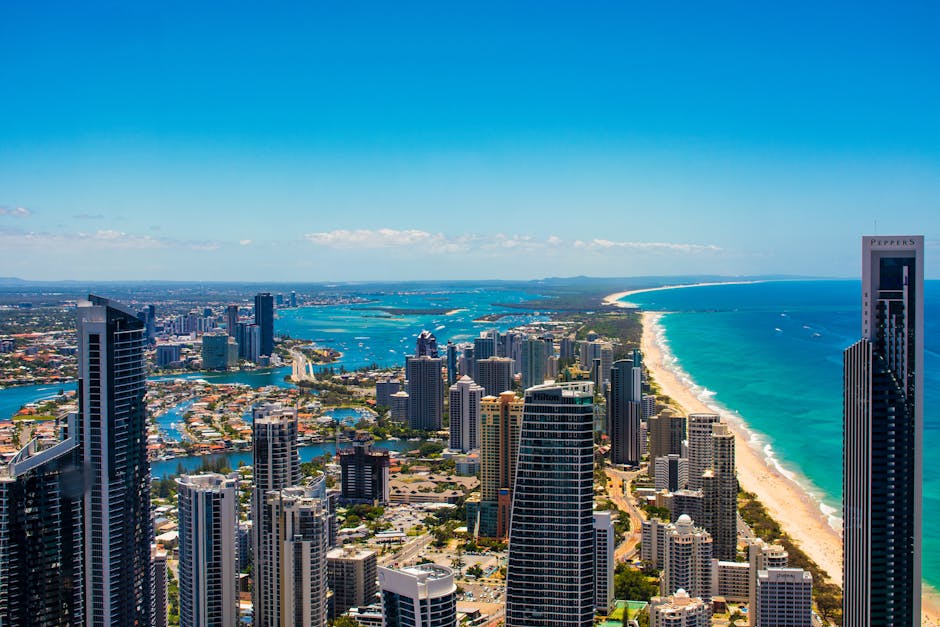
Superbank has revolutionized competitive surfing since its creation in the early 2000s. This artificial point break, formed by sand pumping creates perfect barrels that can run for up to 2 kilometers when large cyclone swells arrive. The wave breaks over sand, making it relatively forgiving for intermediate surfers attempting their first tube rides.
The Sunshine Coast, 100 kilometers north, offers a more natural alternative to Gold Coast's development. Noosa's point breaks provide multiple waves suitable for longboarding and progressive shortboard surfing. The region's national park setting creates a unique combination of pristine waves and protected coastal environment.
Key breaks include:
- Rainbow Bay - Provides Australia's most consistent right-hand point break, working on swells from 2-8 feet
- Burleigh Heads - Offers powerful barrels over a rocky bottom, best suited for experienced surfers
- The Spit - Features multiple peaks along a 3-kilometer stretch, accommodating surfers of all abilities
- Currumbin - Delivers long, workable waves perfect for performance surfing and filming
South Australia's Remote Gems: Eyre Peninsula and Beyond
South Australia's surf remains largely undiscovered, offering some of Australia's most powerful and uncrowded waves. The state's southern coast faces directly into the Southern Ocean, generating consistent swells from massive Antarctic storm systems.
Cactus Beach on the Eyre Peninsula delivers Australia's most intense surf experience. This remote location requires a 7-hour drive from Adelaide, but rewards dedicated surfers with perfect barrels breaking over shallow reef. The wave works best on large southwest swells, creating tubes that rival any break worldwide.
The region demands respect and preparation. Water temperatures hover around 14-16°C year-round, requiring 4/3mm wetsuits minimum. The nearest hospital sits 200 kilometers away, making safety equipment and experienced companions essential.
Streaky Bay and Elliston provide more accessible alternatives, with quality waves and basic accommodation options. These fishing towns offer authentic Australian coastal experiences without Gold Coast crowds or prices.
Note: South Australia's remote surf spots require careful planning. Always surf with experienced locals, carry emergency communication devices, and inform others of your surf plans before heading out.
Western Australia: Margaret River's World Tour Waves
Western Australia hosts some of the world's most challenging and respected surf breaks. The region's Indian Ocean exposure generates powerful swells that create waves coveted by professional surfers worldwide.
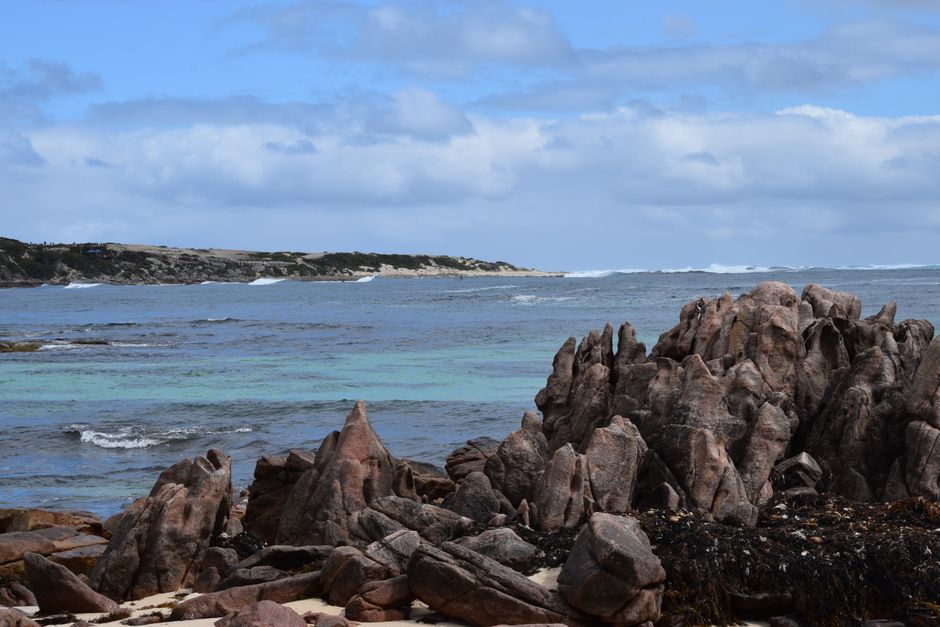
Margaret River region encompasses over 40 quality surf breaks within a 50-kilometer radius. The area's limestone reef formations create consistent wave shapes that work across various swell sizes and directions. Main Break, the region's most famous wave, hosts World Surf League events and challenges even professional surfers with its power and precision.
Rottnest Island, 18 kilometers off Perth's coast, provides Western Australia's most consistent surf. The island's 63 beaches include world-class breaks like The Box, Strickland Bay, and Salmon Bay. Ferry access from Perth makes day trips possible, though overnight stays allow exploration of the island's more remote breaks.
Notable breaks include:
- Surfers Point - Offers the region's most user-friendly waves, suitable for intermediate surfers
- The Box - Delivers extremely powerful barrels over shallow reef, recommended for experts only
- Yallingup - Provides consistent waves in a striking natural amphitheater setting
- Gracetown - Features multiple breaks along a picturesque coastline with nearby accommodation
The Margaret River region combines world-class surf with premium wine country. You can surf dawn patrol at Main Break, then spend afternoons touring wineries and sampling local cuisine. This combination makes it popular for surf and lifestyle trips, especially during autumn months when swells peak and weather remains pleasant.
Tasmania's Cold Water Classics and lesser-known spots
Tasmania offers Australia's most pristine and uncrowded surf experience. The island's Southern Ocean exposure generates powerful, clean swells, while its remote location keeps crowds minimal even at the best breaks.

Clifton Beach near Hobart provides Tasmania's most accessible quality surf. The beach break works on various swell directions and offers waves suitable for intermediate to advanced surfers. The nearby suburb provides accommodation and dining options rare at Tasmanian surf spots.
Marrawah on the island's northwest coast delivers some of Australia's most powerful waves. This remote fishing village requires a 90-minute drive from Burnie but rewards visitors with consistent swells and dramatic coastal scenery. The area works best during winter months when Southern Ocean storms generate large, clean waves.
Tasmania's surf culture emphasizes environmental protection and respect for natural settings. Many breaks remain unnamed and unmarked, discovered through exploration and local knowledge. The island's pristine waters support abundant marine life, including seals, dolphins, and occasional whale sightings during migration seasons.
Water temperatures require serious wetsuit consideration. Summer temperatures reach 16-18°C, while winter drops to 12-14°C. Quality 5/4mm wetsuits, boots, gloves, and hoods become essential equipment for extended sessions.
Best Seasons and Conditions for Surfing Australia 2026
Australia's vast coastline means perfect surf conditions exist somewhere year-round, but understanding regional patterns maximizes your wave-finding success.
East Coast (NSW/QLD): Peak season runs March through May, when mature cyclone swells generate consistent head-high waves. Water temperatures remain comfortable (20-24°C) while crowds decrease after summer holidays. Winter (June-August) brings larger swells but colder water and inconsistent weather.
West Coast (WA): Autumn and winter (April-September) deliver the region's best surf, when Southern Ocean storms generate powerful, consistent swells. Summer offers smaller but more manageable waves perfect for intermediate surfers. Water stays relatively warm (18-22°C) compared to southern regions.
South Coast (SA/TAS): Winter provides the most powerful and consistent waves, though cold water (12-16°C) demands serious wetsuit investment. Summer offers smaller, more comfortable conditions but less consistent swells.
Pro Tip: For the best overall experience, plan east coast trips during autumn (March-May) and west coast adventures during winter (June-August). This timing provides optimal wave quality, manageable crowds, and reasonable weather conditions.
Swell directions vary significantly across regions. East coast breaks work best on east through southeast swells, while west coast spots prefer southwest through northwest directions. Southern Ocean swells affect SA and Tasmania most dramatically, creating the largest waves but requiring patience for clean conditions.
Safety, Sharks, and Essential Surf Etiquette Down Under
Australia's surf comes with unique safety considerations that every visiting surfer must understand and respect.
Shark awareness represents the most discussed but statistically minimal risk. Australia averages 2-3 fatal shark attacks annually across all ocean activities, making the actual risk extremely low. However, certain precautions reduce risk further: avoid surfing alone, stay away from river mouths and seal colonies, and exit the water if marine life behavior seems unusual.
Many popular beaches now feature shark detection systems and drone surveillance programs. Bondi, Manly, and Gold Coast beaches maintain comprehensive safety programs including professional lifeguards, first aid stations, and emergency response protocols.
Rip currents pose a more immediate danger than sharks. Australian beaches generate powerful rips that can drag swimmers and surfers offshore rapidly. Always observe water patterns before entering, surf near lifeguarded beaches when possible, and never surf alone at unfamiliar breaks.
Sun exposure in Australia exceeds most visitors' expectations. UV levels reach extreme ranges even during winter months. Apply broad-spectrum sunscreen (SPF 30+) every 2 hours, wear protective clothing, and consider zinc for nose and lips during extended sessions.
Australian surf etiquette follows international standards with local variations:
- Right of way - Surfer closest to the peak has priority, regardless of their skill level or equipment
- Don't drop in - Never take off on a wave when someone else has already caught it
- Paddle around - When paddling out, go around the breaking waves rather than through them
- Respect locals - Be friendly, wait your turn, and don't crowd popular breaks during peak times
- Environmental responsibility - Pack out all trash, avoid walking on reef areas, and respect marine protected zones
If you're planning an Australian surf adventure, you might also want to explore other impressive coastal destinations. Check out our guides to Best Beaches in Brazil 2026: Your Ultimate Guide to Paradise and Sun, Sand, and Serenity: Unveiling Bali's Most Captivating Beaches for more world-class surf destinations.
Frequently Asked Questions
What are the best surf spots in Australia for beginners?
Bondi Beach in Sydney, Main Beach on the Gold Coast, and Torquay in Victoria offer the most beginner-friendly conditions with surf schools, equipment rental, and lifeguard supervision. These spots provide gentle beach breaks, consistent small waves, and sandy bottoms that minimize injury risk.
When is the best time to surf in Australia?
East coast: March-May for optimal conditions. West coast: April-September for consistent swells. Each region has year-round surf, but these periods offer the best combination of wave quality, weather, and water temperature.
Which Australian surf break hosts professional competitions?
Bells Beach (Rip Curl Pro), Gold Coast's Superbank (Corona Open), and Margaret River's Main Break (Margaret River Pro) host World Surf League Championship Tour events annually. These competitions showcase Australia's premier waves to global audiences.
Are there great white sharks at Australian surf spots?
Great whites inhabit Australian waters but attacks remain extremely rare. Popular surf beaches maintain shark detection programs and safety protocols. Risk-reduction strategies include avoiding dawn/dusk sessions, staying in groups, and surfing at patrolled beaches.
What's the water temperature like for surfing in Australia?
Water temperatures vary dramatically by region and season. Queensland: 22-26°C year-round. NSW: 18-24°C depending on season. WA: 16-22°C. SA/Tasmania: 12-18°C. Northern regions rarely require more than a spring suit, while southern areas need full wetsuits year-round.
Australia's surf culture welcomes visitors who show respect for local customs, environmental protection, and safety protocols. For more adventure ideas beyond the waves, explore our guides to Best Mountains in New Zealand 2026: Ultimate Guide to Epic Peaks and Maya Bay is Back! Experience the Magic of (Phi Phi Leh) Most legendary beach.


