Beaches
Exploring the Beauty of Greece: A 7-Day Adventure Guide 2026
Greece combines ancient history with stunning natural beauty across thousands of islands scattered throughout the Mediterranean. From the iconic Parthenon overlooking Athens to the sunset-painted cliffs of Santorini, this seven-day itinerary takes you through the country's most captivating destinations...

Greece combines ancient history with striking natural beauty across thousands of islands scattered throughout the Mediterranean. From the iconic Parthenon overlooking Athens to the sunset-painted cliffs of Santorini, this seven-day itinerary takes you through the country's key destinations. You'll explore archaeological wonders that shaped Western civilization, swim in crystal-clear waters beside volcanic beaches, and discover why Greece remains one of Europe's premier travel destinations.
This guide covers everything from visa requirements and transportation logistics to spectacular beaches and must-see historic sites.
Planning Your 7-Day Greek Adventure: Essential Pre-Trip Guide
Greece welcomes visitors from many countries without advance visa requirements. EU citizens need only a valid passport or ID card, while US, Canadian, Australian, and UK travelers can stay up to 90 days within any 180-day period without a visa. Always verify current requirements on the official Greek embassy website, as policies can change.
The ideal time to visit Greece is late April through early June and September through October. These shoulder seasons offer warm weather, fewer crowds, and lower accommodation prices compared to peak summer months. July and August bring intense heat (often exceeding 35°C/95°F) and packed tourist sites, though they're perfect if you prioritize beach time and lively nightlife.
Budget around €80-120 per person per day for mid-range travel in 2026, including accommodation, meals, transportation, and activities. Luxury travelers should expect €200+ daily, while budget backpackers can manage on €40-60 with hostels and street food. Ferry tickets between islands typically cost €25-45, while domestic flights range from €60-150 depending on the route and season.
Pro Tip: Book accommodations at least two months ahead for travel between June and September. Popular destinations like Santorini and Mykonos fill up quickly, and last-minute bookings often come with premium prices.
Days 1-2: Athens - Ancient History and Modern Charm
Start your Greek adventure in Athens, where 2,500 years of history unfolds beneath the shadow of the Acropolis. The city perfectly balances ancient wonders with contemporary culture, from rooftop bars overlooking classical temples to lively neighborhoods filled with street art and innovative restaurants.
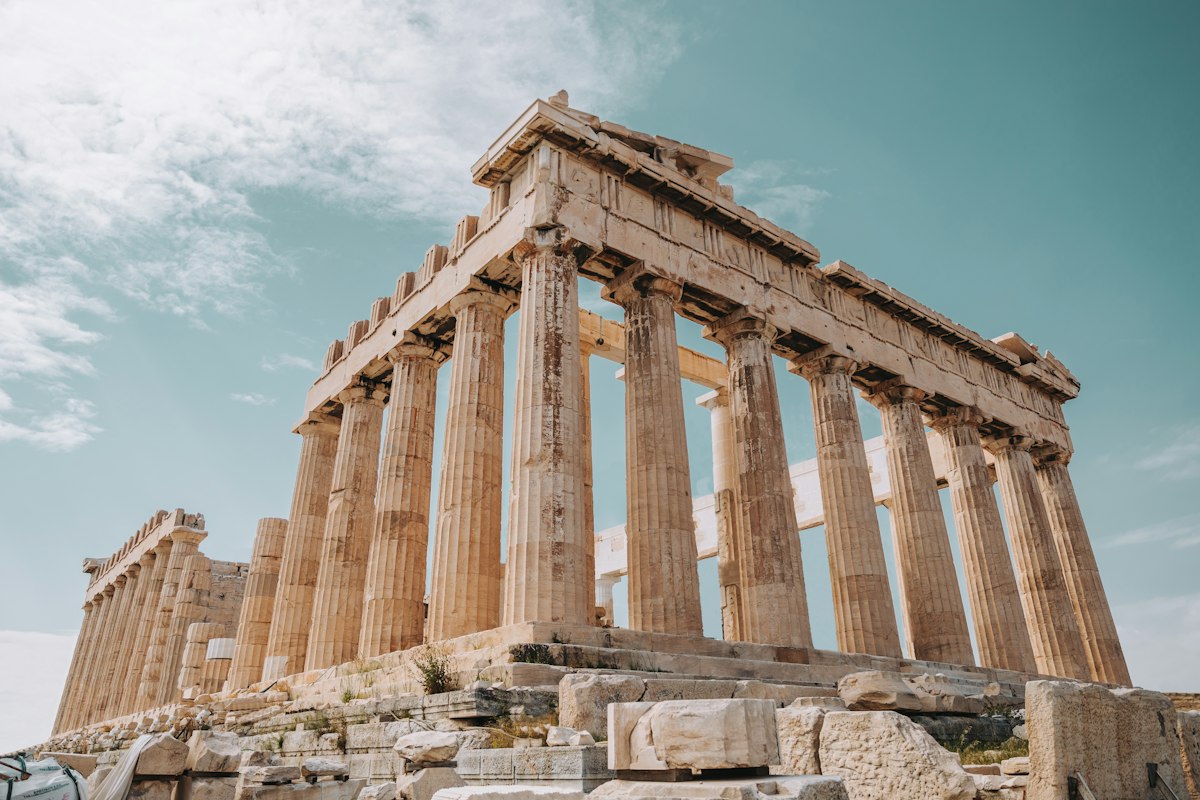
Dedicate your first morning to the Acropolis Museum and the hilltop citadel itself. Arrive early (8am opening) to avoid crowds and harsh midday sun. The Parthenon, Erechtheion, and Temple of Athena Nike showcase the architectural genius of ancient Greece. Allow three hours minimum for both the museum and archaeological site.
Spend your afternoon exploring Plaka, Athens' oldest neighborhood. This pedestrian-friendly district winds through narrow cobblestone streets lined with neoclassical buildings, traditional tavernas, and shops selling handmade crafts. Stop at a kafeneio (traditional coffee house) for Greek coffee and people-watching.
- Ancient Agora - Walk where Socrates taught and democracy was born, with the well-preserved Temple of Hephaestus
- National Archaeological Museum - Houses the world's finest collection of ancient Greek artifacts, including the gold Mask of Agamemnon
- Monastiraki Flea Market - Browse antiques, vintage items, and local crafts every Sunday morning
- Mount Lycabettus - Take the funicular or hike to the city's highest point for panoramic sunset views
On day two, venture beyond central Athens to experience local life. The National Garden offers a green escape from urban energy, while the changing of the guard at Syntagma Square happens every hour on the hour. Consider a half-day trip to nearby Aegina island if you want an early taste of Greek island life, just 40 minutes by ferry from Piraeus port.
Days 3-4: Santorini - Volcanic Beauty and striking Sunsets
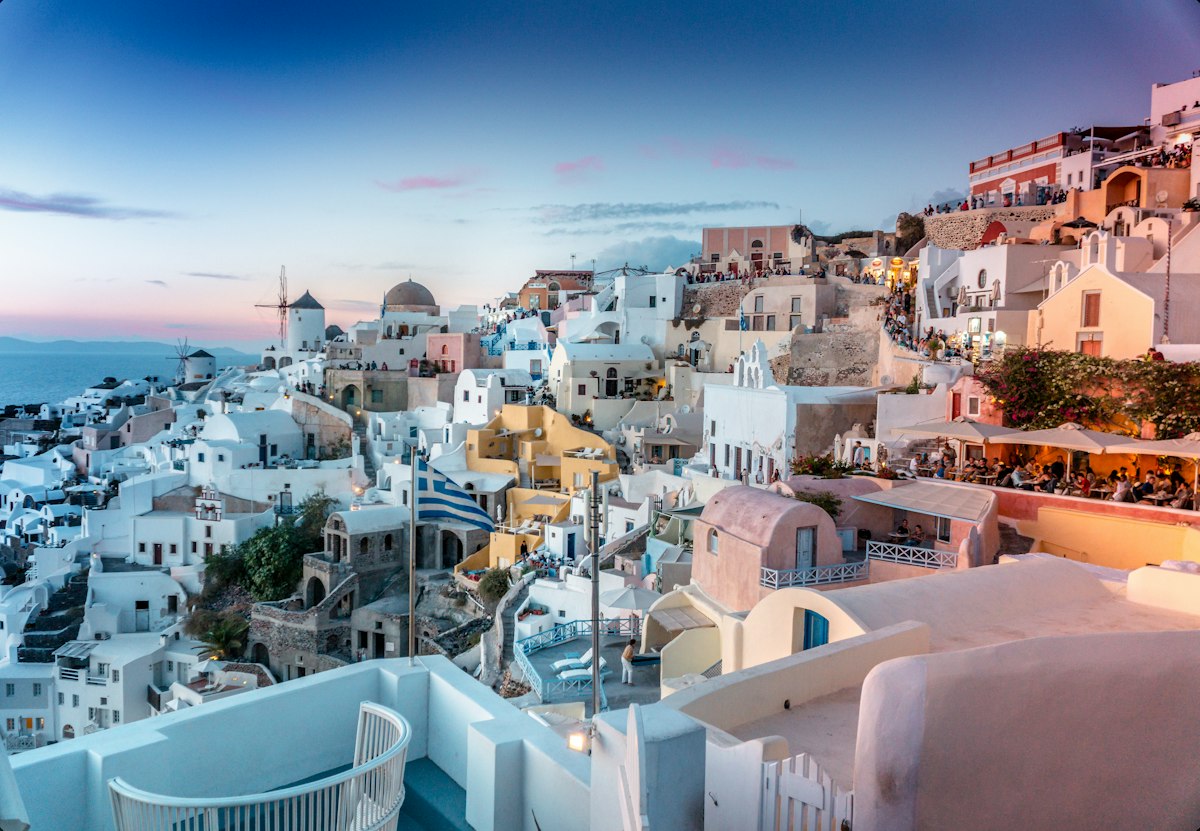
Santorini's dramatic cliff-top villages and volcanic beaches create Greece's iconic landscapes. The island formed from a massive volcanic eruption around 1600 BC, leaving behind the distinctive crescent shape and black sand beaches that make Santorini unique among Greek islands.
Base yourself in Oia for the famous sunset views or Fira for better restaurant options and nightlife. Both villages cling to the caldera rim 300 meters above sea level, connected by a spectacular walking path that takes about three hours to complete. The hike offers constantly changing perspectives of the Aegean Sea and neighboring islands.
Santorini's beaches showcase the island's volcanic origins. Red Beach near Akrotiri features dramatic red cliffs and pebbles, while Kamari and Perissa offer black sand created from volcanic ash. The contrast between dark beaches and brilliant white buildings creates striking photo opportunities throughout the day.
Don't miss the Akrotiri archaeological site, often called the "Pompeii of the Aegean." This Bronze Age settlement was perfectly preserved under volcanic ash, revealing sophisticated drainage systems, multi-story buildings, and beautiful frescoes. The site reopened in 2012 after extensive renovations, with climate-controlled walkways protecting both visitors and ancient remains.
Note: Sunset viewing spots in Oia become extremely crowded between April and October. Arrive at least 90 minutes before sunset to secure a good position, or consider watching from Imerovigli for equally spectacular views with fewer people.
Wine Tasting and Local Flavors
Santorini produces exceptional wines thanks to its volcanic soil and unique growing conditions. The indigenous Assyrtiko grape creates crisp white wines with mineral complexity that pairs perfectly with fresh seafood. Visit Santo Wines or Venetsanos Winery for tastings with caldera views, or explore smaller family operations in Megalochori village.
Days 5-6: Mykonos - Cosmopolitan Island Life and Paradise Beaches
Mykonos balances traditional Cycladic charm with international sophistication. The island attracts everyone from luxury yacht owners to budget backpackers, creating an energetic atmosphere that pulses from sunrise beach parties to glamorous evening dining.
Mykonos Town (Chora) enchants visitors with its maze-like streets designed to confuse pirates centuries ago. Today, these same winding alleys hide boutique shops, art galleries, and restaurants serving both traditional Greek dishes and international cuisine. The iconic windmills and Little Venice waterfront provide perfect photography backdrops.
Paradise Beach and Super Paradise Beach anchor Mykonos' legendary beach party scene. These sandy stretches transform from relaxed daytime sunbathing spots into high-energy clubs after sunset, with world-renowned DJs spinning sets that continue until dawn. If you prefer quieter beach experiences, head to Elia or Kalafatis on the island's southern coast.
- Ano Mera Village - Experience authentic Greek island life away from tourist crowds, with traditional tavernas and the historic Panagia Tourliani Monastery
- Delos Island - Take a day trip to this UNESCO World Heritage site, the mythological birthplace of Apollo and one of Greece's key archaeological locations
- Ornos Beach - Family-friendly sandy beach with calm waters and excellent waterfront restaurants
- Armenistis Lighthouse - Dramatic clifftop location offering panoramic island and sea views, especially beautiful at sunset
Mykonos nightlife extends far beyond beach clubs. Cocktail bars like Interni and Scorpios offer sophisticated drinking experiences with striking design and sea views. For a more traditional evening, seek out tavernas in residential neighborhoods where locals gather for mezze, ouzo, and live Greek music.
Day 7: Delphi or Meteora - Sacred Sites and Natural Wonders
Your final day presents two extraordinary options, each offering unique insights into Greek history and natural beauty. Choose based on your interests: ancient religious significance (Delphi) or dramatic monastery settings (Meteora).
Delphi, once considered the center of the world by ancient Greeks, sits on the slopes of Mount Parnassus about 2.5 hours from Athens by bus or rental car. The Oracle of Delphi influenced major decisions across the ancient world, from military campaigns to colonial expansions. The archaeological site includes the Temple of Apollo, ancient theater, and stadium where Pythian Games occurred every four years.
The Delphi Museum houses impressive artifacts including the famous Charioteer bronze statue and intricate gold offerings brought by pilgrims from across the Mediterranean. The site's mountain setting adds natural drama to the historical significance, with views extending across olive groves to the Gulf of Corinth.
Meteora offers an alternative experience combining natural wonder with spiritual heritage. Six active monasteries perch impossibly on sandstone pillars that rise 400 meters above the Thessaly plain. Monks first climbed these rocks in the 11th century seeking isolation and divine connection. Today, visitors can tour several monasteries (modest dress required) and hike trails between the formations.
Both destinations require full-day commitments from Athens, making them perfect final-day experiences before departure. Consider staying overnight in Delphi or Kalambaka (Meteora) if you want to explore more leisurely and catch sunrise or sunset among these sacred landscapes.
Greece's Spectacular Beaches: From Volcanic Sands to Crystal Waters
Greek beaches showcase impressive diversity across more than 6,000 islands and a mainland coastline stretching over 13,500 kilometers. From volcanic black sands to pristine white pebbles, each region offers distinct coastal experiences shaped by geology, geography, and local culture.
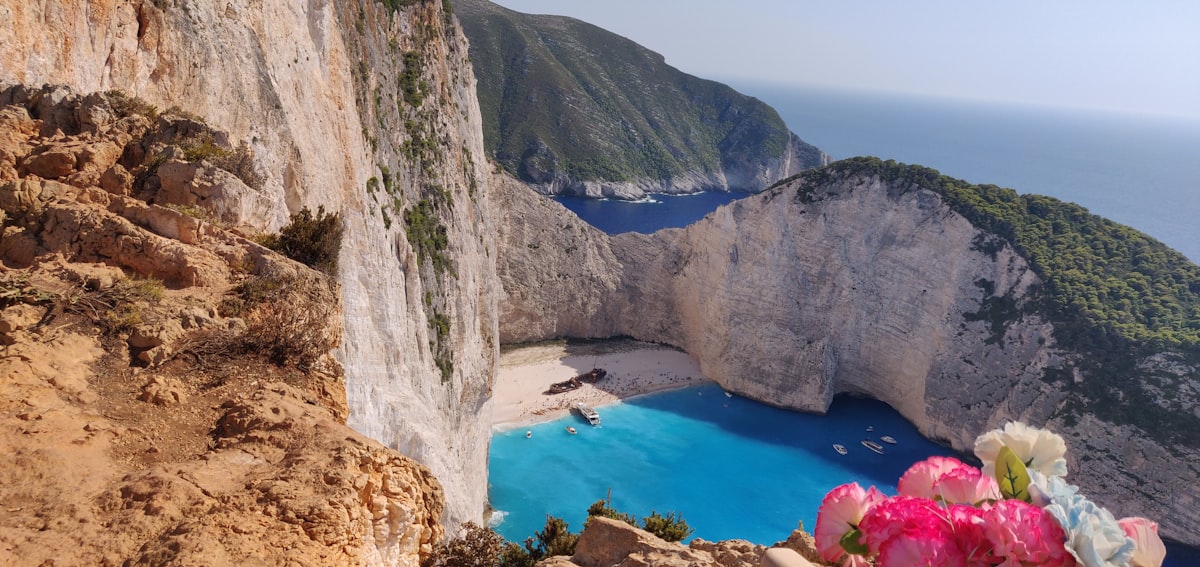
Navagio Beach on Zakynthos ranks among the world's iconic beaches. This secluded cove, accessible only by boat, features brilliant white limestone cliffs surrounding turquoise waters and a shipwrecked smuggler's vessel that ran aground in 1980. The contrast between white sand, blue water, and rusted metal creates an almost surreal landscape perfect for swimming and photography.
Sarakiniko Beach on Milos resembles a lunar landscape more than a typical Mediterranean shore. White volcanic cliffs carved by wind and waves create smooth, sculptural formations that provide natural diving platforms and unique photo opportunities. The beach itself consists of white pebbles and sand, with crystal-clear water that reveals every detail of the rocky bottom.
- Balos Lagoon, Crete - Shallow turquoise lagoon surrounded by white sand dunes and pink-tinged beaches created by crushed seashells
- Myrtos Beach, Kefalonia - Dramatic white pebble beach backed by steep cliffs, consistently ranked among Europe's finest beaches
- Koukounaries, Skiathos - Golden sand beach bordered by pine forests, offering both organized sections and wild areas for naturists
- Simos Beach, Elafonisos - Twin sandy beaches connected by a narrow strip, with Caribbean-like water clarity and minimal development
Crete's southern coast harbors some of Greece's secluded and pristine beaches. Sweetwater Beach near Chora Sfakion requires a two-hour hike through dramatic gorges, rewarding adventurous visitors with complete solitude and fresh water springs flowing directly onto the beach. Similarly striking coastal areas stretch from destinations covered in other detailed guides, such as those found in Sun, Sand, and Serenity: Unveiling Bali's Captivating Beaches, though Greece's Mediterranean setting offers distinct cultural and historical contexts.
Ancient Greek Historic Places You Can't Miss
Greece contains more UNESCO World Heritage archaeological sites than almost any other country, with ruins spanning over 3,000 years of continuous civilization. These ancient places shaped philosophy, democracy, theater, and architecture that still influence modern life worldwide.
The Palace of Knossos on Crete represents Europe's oldest city and center of Minoan civilization. This Bronze Age complex featured sophisticated plumbing, colorful frescoes, and multi-story architecture that predated classical Greek culture by over 1,000 years. Recent archaeological discoveries continue revealing new insights about this advanced society that dominated Mediterranean trade.
Epidaurus showcases ancient Greek engineering and artistic achievement through its perfectly preserved theater. Built in the 4th century BC, this 14,000-seat amphitheater demonstrates acoustic principles so advanced that actors speaking normally on stage can be heard clearly in the top rows 60 meters away. The site also includes ruins of the Sanctuary of Asclepius, where ancient Greeks came for medical healing.
- Ancient Olympia - Birthplace of the Olympic Games, with the original stadium, temples to Zeus and Hera, and the workshop where Phidias created the gold-and-ivory Statue of Zeus
- Mycenae - Homer's "city rich in gold," featuring the Lion Gate, royal tombs, and cyclopean walls built by Bronze Age civilization
- Ancient Corinth - Major trading center with Roman-era ruins including the Temple of Apollo and ancient marketplace where St. Paul preached
- Dodoni Oracle - Greece's oldest oracle site, where priests interpreted Zeus's will through rustling oak leaves and bronze cauldrons
Many travelers combine Greek archaeological exploration with visits to other historically rich destinations. The systematic approach to uncovering ancient civilizations mirrors methodologies used in places like Top Things to Do in Peru 2026: A Complete Travel Guide, where Incan and pre-Columbian sites offer similar insights into sophisticated ancient societies.
Archaeological Site Practical Tips
Major sites open at 8am and close between 3pm-8pm depending on season. Summer visits require sun protection, water, and comfortable walking shoes as many sites lack shade. Consider purchasing the multi-site pass (€30 as of 2026) if visiting four or more locations, which covers the Acropolis, Ancient Agora, Kerameikos, and other Athens-area sites.
Island Hopping Made Easy: Transportation and Logistics
Greek island hopping requires strategic planning around ferry schedules, seasonal variations, and geographic clusters. The country operates several ferry networks connecting different island groups, each with distinct characteristics and travel patterns.
High-speed ferries connect major islands like Santorini, Mykonos, Paros, and Naxos with Athens' Piraeus port in 3-5 hours. These modern vessels offer airplane-style seating, cafeterias, and deck space for enjoying sea views. Book tickets online through official ferry company websites or local agencies, especially during summer months when popular routes sell out quickly.
Pro Tip: Download the Ferryhopper app for real-time schedules, prices, and booking across all Greek ferry companies. The app works offline once downloaded, essential for areas with limited internet connectivity.
Domestic flights provide faster but more expensive connections between distant islands. Aegean Airlines and Sky Express operate regular routes from Athens to Santorini (45 minutes), Mykonos (35 minutes), Rhodes (1 hour), and Crete (1 hour). Flights cost €60-150 depending on season and booking timing, compared to €25-45 for ferry tickets on similar routes.
- Cyclades Islands - Santorini, Mykonos, Paros, Naxos form a well-connected cluster perfect for 1-2 week island hopping adventures
- Dodecanese Islands - Rhodes, Kos, and Patmos offer historical sites, beaches, and traditional architecture with good ferry connections
- Ionian Islands - Corfu, Zakynthos, and Kefalonia feature lush landscapes and Venetian influences, accessible via mainland ports
- Saronic Islands - Aegina, Poros, and Hydra provide easy day trips from Athens, with hourly ferry services during summer
Rental cars work well on larger islands like Crete, Rhodes, and Corfu, but smaller islands rely primarily on buses, taxis, and rental scooters. Many Greek islands restrict or prohibit private vehicles in town centers during summer, encouraging walking and public transportation use.
Inter-island logistics share similarities with other archipelago destinations worldwide. The systematic approach to multi-destination travel reflects patterns seen in places like Maya Bay is Back! Experience the Magic of (Phi Phi Leh) Legendary Beach, where transportation planning between multiple islands requires similar advance coordination and seasonal awareness.
Ferry schedules change significantly between seasons, with winter services (November-March) operating reduced frequencies and routes. Some smaller islands become completely inaccessible during rough weather periods. Always verify current schedules and have backup plans, especially for travel between October and April.
Frequently Asked Questions About Visiting Greece
What is the ideal time of year to visit Greece in 2026?
Late April through early June and September through October offer the perfect combination of warm weather, manageable crowds, and reasonable prices. July and August bring peak summer heat and tourist masses, while November through March sees many islands reduce services significantly.
How much does a 7-day trip to Greece cost in 2026?
Budget travelers can manage on €40-60 daily with hostels, street food, and public transportation. Mid-range trips cost €80-120 per person daily including decent hotels, restaurant meals, and activities. Luxury experiences start around €200+ daily for premium accommodations and private tours.
Do I need a visa to visit Greece as a tourist?
EU citizens need only a valid passport or ID card. US, Canadian, Australian, and UK visitors can stay up to 90 days within any 180-day period without advance visa requirements. Always verify current policies on official embassy websites before departure.
Which Greek islands work well for first-time visitors?
Santorini and Mykonos provide classic Greek island experiences with excellent infrastructure, diverse accommodations, and iconic scenery. Crete offers more variety including beaches, mountains, and archaeological sites, while Paros presents authentic island life with good ferry connections.
How do I get between the Greek islands?
High-speed ferries connect major islands with Athens and each other, taking 3-5 hours for typical routes. Domestic flights offer faster but more expensive alternatives for distant destinations. Book transportation in advance during summer months when popular routes sell out.
What should I pack for a week in Greece?
Bring comfortable walking shoes for archaeological sites, sun protection including hat and sunscreen, modest clothing for monastery visits, and layers for evening temperature drops. Swimwear, quick-dry clothing, and a day pack for excursions complete essential items for Greek itineraries.
Greece rewards travelers with experiences that connect ancient history to natural beauty across thousands of Mediterranean islands. This seven-day adventure provides just a taste of what awaits in a country where mythology meets reality and every sunset seems crafted for perfection. The combination of archaeological wonders, pristine beaches, and warm hospitality creates memories that last long after returning home.
For those planning extended Mediterranean adventures, Greece pairs beautifully with other historically rich regions explored in guides like Top Things to Do in Morocco 2026: A Complete Travel Guide or Best Tourist Attractions to See in India. Each destination offers unique perspectives on ancient civilizations while providing modern travel experiences that satisfy contemporary expectations. The architectural grandeur found in Greek temples resonates with travelers who have explored Discover the Fairytale Castles of Bavaria: A Magical Journey Through Germany, creating connections between different European cultural traditions across centuries of human achievement.