FAQ
Naoshima Travel Plan 2026: Art, Nature, and Hidden Gems Guide
Naoshima transforms the conventional art museum experience into something extraordinary, where world-class contemporary art installations blend seamlessly with pristine beaches, quiet fishing villages, and untouched natural landscapes...

Naoshima transforms the conventional art museum experience into something extraordinary, where world-class contemporary art installations blend smoothly with pristine beaches, quiet fishing villages, and untouched natural landscapes. This small island in Japan's Seto Inland Sea has become a pilgrimage site for art lovers and nature enthusiasts alike, offering experiences that range from underground museums carved into hillsides to secluded coves perfect for contemplation. You'll discover that Naoshima's magic lies not just in its famous yellow pumpkin sculptures or Tadao Ando's architectural masterpieces, but in how art, nature, and local culture create an atmosphere unlike anywhere else in Japan.
The island's compact size means you can experience both its artistic treasures and natural beauty in just a few days, making it an ideal addition to any Japan itinerary.
Getting to Naoshima: Transportation and Ferry Routes
Reaching Naoshima requires a scenic ferry journey that serves as the perfect introduction to the Seto Inland Sea's island-hopping culture. The primary gateway is Uno Port in Okayama Prefecture, which offers the most frequent ferry connections to Naoshima's main Miyanoura Port.
From Tokyo, take the JR Tokaido Shinkansen to Okayama Station (3 hours, 20 minutes), then transfer to the JR Uno Line for a 55-minute journey to Uno Station. The ferry terminal sits just steps from Uno Station, making the connection seamless. Ferries run every hour during peak season and cost ¥520 for adults as of May 2026. The 20-minute crossing provides views of the scattered islands dotting the inland sea.

Alternative routes include departing from Takamatsu Port in Kagawa Prefecture, which connects to both Miyanoura and Honmura ports on Naoshima. This route works well if you're combining your visit with other Shikoku destinations. Direct ferries from Takamatsu take 50 minutes and cost ¥510 per person as of May 2026.
Pro Tip: Purchase a combined JR Pass and ferry ticket package at major JR stations for slight savings. The package includes reserved seating on express trains and guaranteed ferry spots during busy periods like Golden Week and summer festivals.
Can you visit Naoshima as a day trip from major cities? Absolutely, though you'll feel rushed. From Osaka, the total journey takes about 2.5 hours each way, giving you roughly 6-7 hours on the island. From Tokyo, plan for 4 hours each way, leaving just 4-5 hours for exploration. Most visitors find that staying overnight allows for a more relaxed pace and the opportunity to experience the island's peaceful evening atmosphere.
Must-Visit Art Museums and Installations on Naoshima
Naoshima's art scene centers around three world-renowned museums, each offering distinct experiences that justify the island's reputation as a contemporary art destination. The Chichu Art Museum stands as the centerpiece, designed by Tadao Ando and built entirely underground to preserve the island's natural landscape.

The Chichu Museum houses permanent installations by just three artists: Claude Monet, James Turrell, and Walter De Maria. Monet's Water Lilies series occupies a specially designed room where natural light filters through ceiling apertures, creating an ever-changing viewing experience throughout the day. James Turrell's light installations manipulate your perception of space and color in ways that feel almost supernatural. Advanced reservations are essential (book online at benesse-artsite.jp), especially during spring and autumn when visitor numbers peak.
Benesse House Museum combines accommodation with exhibition spaces, allowing overnight guests to experience art in private after day visitors depart. Even if you're not staying here, the museum merits a full morning. Yves Klein's works dominate several galleries, while outdoor installations by David Hockney and Niki de Saint Phalle create surprising encounters as you walk the coastal paths.
Art House Project in Honmura village transforms abandoned traditional houses into intimate art spaces. Kadoya features Tatsuo Miyajima's LED installations that pulse like heartbeats, while Minamidera houses James Turrell's "Backside of the Moon," where visitors sit in complete darkness before subtle illumination reveals a profound spatial experience. Allow 15-20 minutes per house, as rushing diminishes their contemplative impact.
- Chichu Art Museum, open 10am-6pm (March-September), 10am-5pm (October-February), closed Mondays except holidays, ¥2,100 admission as of May 2026
- Benesse House Museum, open 8am-9pm for hotel guests, 10am-6pm for day visitors, ¥1,050 admission as of May 2026
- Art House Project, individual house tickets ¥420-520, combined ticket ¥1,050 for all houses as of May 2026
Free outdoor installations dot the island, including Yayoi Kusama's famous yellow pumpkin near Benesse House and the red pumpkin at Miyanoura Port. These Instagram-famous sculptures often have lines during peak hours, so visit early morning or late afternoon for better photo opportunities and smaller crowds.
Hidden Natural Gems and Scenic Spots
Beyond its artistic acclaim, Naoshima harbors secluded beaches, walking trails, and viewpoints that reveal the island's natural beauty. Most visitors focus entirely on the museums, leaving these spots blissfully uncrowded even during busy seasons.
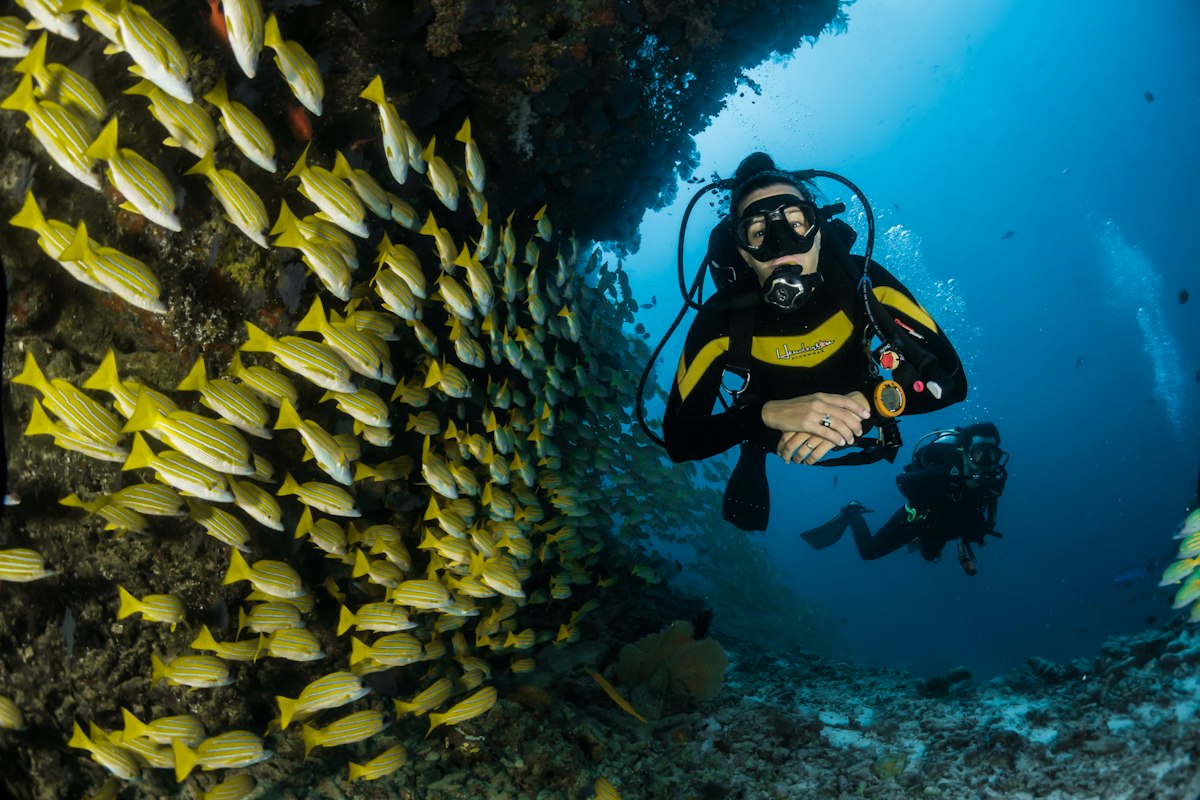
Tsutsuji-so Beach sits on the island's northeastern coast, accessible via a 20-minute walk clear water perfect for swimming and snorkeling. The beach faces east, making it ideal for sunrise viewing, while the surrounding pine forest provides natural shade during midday heat. Local families occasionally use this beach, but it rarely sees tourist crowds.
The island's western coastline offers dramatic cliff walks with panoramic views across the Seto Inland Sea. Start near the Chichu Art Museum and follow the marked coastal path southward. The trail passes through mixed forests of pine and oak, emerging at several clifftop viewpoints where you can see neighboring islands including Teshima and Inujima on clear days.
Mount Miyanoura, the island's highest point at 120 meters, requires just a 45-minute hike from Honmura village. The trail switchbacks through bamboo groves and mature forest before reaching a clearing with 360-degree views. Early morning climbs often reward visitors with sea mist creating ethereal conditions across the water.
Note: Naoshima's beaches have no lifeguards or facilities. Bring water, snacks, and sun protection. Swimming is at your own risk, though the protected inland sea waters are generally calm and safe for competent swimmers.
Hidden temple ruins dot the island's interior, remnants from when Naoshima supported a larger population before modern urbanization. The old Honmura shrine complex includes stone foundations and carved markers that date back several centuries. These sites receive minimal maintenance but offer peaceful spots for meditation and photography, especially during early morning hours when mist often clings to the surrounding valleys.
Where to Stay on Naoshima: Accommodation Options
Accommodation choices on Naoshima range from luxury art hotels to traditional guesthouses, with each option providing different perspectives on island life. Staying overnight transforms your visit from a rushed day trip into a more contemplative experience, especially since many art installations benefit from multiple viewings at different times of day.
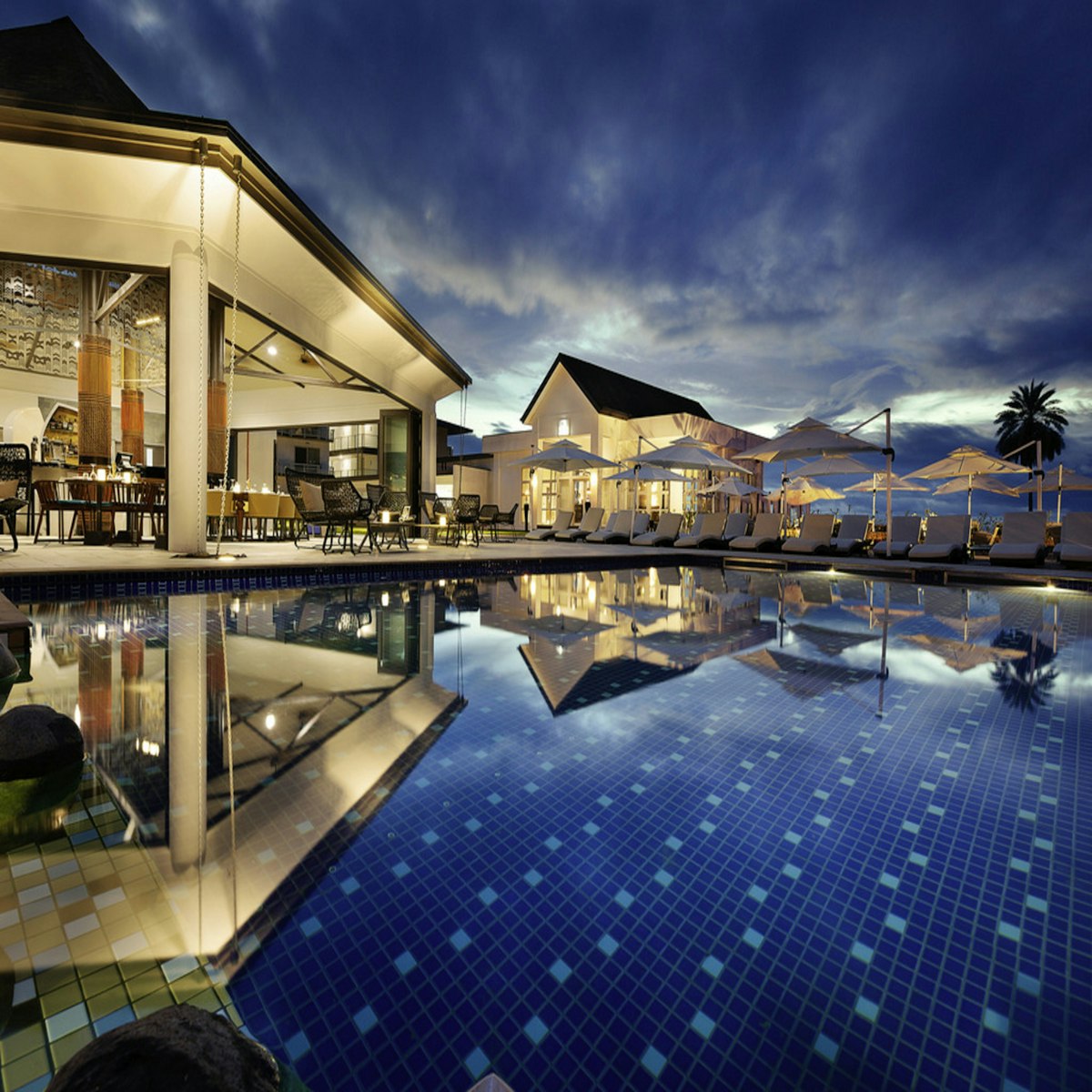
Benesse House represents the island's most exclusive accommodation, combining hotel rooms with museum access and outdoor art installations. Guests enjoy private viewing of artworks after day visitors leave, creating intimate encounters with pieces by major contemporary artists. The Museum, Beach, Park, and Oval buildings each offer different experiences and price points, ranging from ¥35,000-85,000 per night as of May 2026. Book well in advance, especially for weekend stays and during Japan's peak travel seasons.
For more budget-conscious travelers, several guesthouses in Honmura village provide traditional Japanese accommodation with modern amenities. Little Plum Guesthouse offers private rooms in a renovated 100-year-old house for ¥8,500-12,000 per night as of May 2026. The shared kitchen allows you to prepare meals using ingredients while the traditional tatami rooms provide authentic Japanese sleeping experiences.
Naoshima Ryokan Roka bridges traditional hospitality with contemporary comfort. Located near Miyanoura Port, it serves kaiseki dinners featuring local seafood and vegetables. Rates start around ¥18,000 per person including breakfast and dinner as of May 2026. The ryokan's public bath overlooks a small garden where seasonal flowers create changing displays throughout the year.
- Budget option: Camping is permitted at designated areas near Tsutsuji-so Beach (free, but no facilities)
- Mid-range: Several minshuku (family-run inns) charge ¥6,000-9,000 per person including breakfast as of May 2026
- Luxury: Private villa rentals through international booking platforms start around ¥25,000 per night as of May 2026
How many days do you need to fully explore Naoshima? Two nights allow comfortable exploration of all major art sites plus some natural areas. Single-night stays work but feel rushed, while three nights provide ample time for hiking, beach visits, and repeat museum experiences at different times of day.
Best Time to Visit Naoshima in 2026
Naoshima's climate and visitor patterns create distinct seasons for different types of experiences. Understanding these patterns helps you choose timing that matches your priorities,
Spring (March-May) brings mild temperatures and occasional cherry blossoms, though Naoshima lacks the dramatic sakura displays of mainland Japan. April and May offer ideal weather for outdoor installations and hiking, with temperatures ranging 18-24°C and minimal rainfall. This period sees moderate crowds, making museum reservations important but not impossible to secure on short notice.
Summer (June-August) attracts the largest crowds, particularly during Japan's summer vacation period in July and August. Temperatures reach 28-32°C with high humidity, making midday outdoor exploration uncomfortable. However, summer brings extended museum hours and special evening programs at some facilities. The Setouchi Triennale, held every three years (next in 2025, then 2028), dramatically increases visitor numbers and accommodation costs during summer months.
Autumn (September-November) provides excellent weather with comfortable temperatures, clear skies, and manageable crowds. October and November offer perfect conditions for both art viewing and outdoor activities, with temperatures ranging 20-26°C and low rainfall probability. This season sees peak photography conditions for outdoor installations, as the clear air enhances colors and reduces haze across the inland sea.
Weather Alert: Typhoon season runs June through October, with September showing the highest probability. Monitor weather forecasts closely if traveling during these months, as ferry services suspend during severe weather warnings.
Winter (December-February) brings Naoshima's smallest crowds and lowest accommodation prices, though some outdoor installations may close during extreme weather. Temperatures rarely drop below 5°C, making winter exploration comfortable with proper clothing. The Chichu Museum's Monet rooms create particularly moving experiences during winter months, as the subdued natural light enhances the paintings' contemplative qualities.
For 2026 specifically, avoid Golden Week (early May), Obon (mid-August), and major Japanese holidays when domestic tourism peaks. The ideal window runs mid-September through mid-November, offering excellent weather, moderate crowds, and the most favorable photography conditions for both natural landscapes and art installations.
Local Dining and Cultural Experiences
Naoshima's dining scene reflects its dual identity as both fishing community and international art destination. Local restaurants serve exceptional seafood alongside international options that cater to the island's global visitors, creating a unique culinary landscape that complements the artistic experience.
Cinémathèque in Honmura village occupies a converted traditional house where French-trained chefs prepare seasonal menus using local ingredients. The restaurant changes its offerings based on daily fish catches and seasonal vegetables, with prix fixe dinners ranging ¥4,500-7,500 as of May 2026. Reservations are essential, particularly during weekend periods when art tourists converge on the village.
Café Salon Nakaoku serves exceptional coffee and light meals in a restored machiya (traditional wooden townhouse). The café doubles as a gallery space featuring rotating exhibitions by local and visiting artists. Their specialty coffee beans are roasted on-site, creating an aromatic atmosphere that enhances the artistic ambiance. Expect to pay ¥650-850 for specialty coffee drinks as of May 2026.
For authentic local experiences, seek out the island's remaining traditional establishments. Miyanoura's morning market (operating Tuesday, Thursday, and Saturday) brings together local fishermen and farmers selling directly to residents and visitors. You'll find incredibly fresh seafood, seasonal vegetables, and occasional specialty items like locally made tofu and pickled vegetables.
- Shioya Diner, casual restaurant serving local fish dishes, ¥1,200-2,800 per meal as of May 2026
- Aisunao, traditional Japanese sweets and tea, perfect post-museum treat
- Honmura Lounge & Archive, international cuisine with art book library
Cultural experiences extend beyond dining to include traditional craft workshops and festivals. The annual Naoshima Tanabata Festival in early July transforms Honmura village with colorful streamers and traditional performances. Local artisans occasionally offer pottery and textile workshops, though these require advance booking through the Naoshima Town Office or your accommodation.
Similar to the Maya Bay island experience, Naoshima benefits from respectful tourism that preserves local culture while welcoming international visitors. Engage with shop owners and restaurant staff in basic Japanese phrases, as many locals appreciate visitors who make cultural connection efforts beyond just photographing art installations.
Practical Travel Tips for Your Naoshima Visit
Successfully navigating Naoshima requires advance planning for museum reservations, transportation timing, and island logistics. These practical details can make the difference between a smooth, enjoyable visit and a frustrating experience marked by closed museums and missed connections.
Museum reservations are essential for Chichu Art Museum, particularly during peak seasons and weekends. Book online at benesse-artsite.jp up to one month in advance. The reservation system opens at 10am Japan time on the first of each month for the following month. Popular time slots (especially late afternoon for optimal lighting) fill within hours during peak seasons.
What's the way to get around Naoshima island? The island operates a reliable bus system connecting major sites, running every 20-30 minutes during museum hours. Day passes cost ¥300 as of May 2026 and provide unlimited rides between Miyanoura Port, Honmura village, and museum areas. Bicycle rental offers more flexibility, with several shops near Miyanoura Port charging ¥300-500 per day as of May 2026. The island's compact size and mostly flat terrain make cycling enjoyable for most fitness levels.
Do you need advance reservations for accommodations and restaurants? Absolutely, especially for weekend stays and during major Japanese holidays. Benesse House often books solid months in advance, while smaller guesthouses may have last-minute availability but charge premium rates for walk-in guests. Restaurant reservations are strongly recommended for dinner, as options are limited and popular establishments fill quickly.
Money-Saving Strategy: Purchase the Setouchi Area Pass if visiting multiple islands in the region. This pass includes unlimited ferry travel between participating islands and discounts on museum admissions, potentially saving ¥2,000-4,000 for multi-day island hopping itineraries as of May 2026.
Are there free art installations you can see on Naoshima? Yes, several outdoor sculptures and installations are accessible without admission fees. Yayoi Kusama's pumpkin sculptures at Miyanoura Port and near Benesse House are free to view and photograph. The Honmura village area features several outdoor art pieces integrated into the streetscape, though the major installations inside houses require paid admission.
For visitors incorporating Naoshima into broader Japan travel plans, the island pairs well with other cultural destinations. Consider combining your visit with the Great Wall of China travel guide approach to planning, focusing on fewer destinations with deeper exploration rather than rushing between multiple sites.
Cash remains king on Naoshima, with limited ATM access and many small establishments not accepting credit cards. Bring sufficient yen from mainland ATMs, as the island's single ATM at the post office frequently runs empty during busy periods.
Frequently Asked Questions
Can I visit Naoshima as a day trip from Tokyo or Osaka? While possible, day trips from these cities feel rushed. From Tokyo, you'll spend 8 hours traveling for just 4-5 hours on the island. From Osaka, the ratio improves to 5 hours travel for 6-7 hours exploration, but you'll still miss the peaceful evening atmosphere that makes Naoshima special. Consider staying overnight if your schedule permits.
How many days do I need to fully explore Naoshima? Two full days provide comfortable time for all major museums, several art house installations, and some natural exploration. Art enthusiasts who want to revisit installations at different times of day should plan three days. Single-day visits work for focused art tours but leave no time for the island's natural beauty or cultural experiences.
What's the way to get around Naoshima island? The island bus system efficiently connects all major sites and costs just ¥300 as of May 2026 for unlimited daily rides. Bicycle rental offers more flexibility for ¥300-500 per day as of May 2026, perfect for the island's flat terrain and compact size. Walking is feasible for short distances, though the hilly sections between museums can be challenging in summer heat.
Are there free art installations I can see on Naoshima? Yes, several outdoor sculptures are free to view, including Yayoi Kusama's famous yellow and red pumpkin installations. The Honmura village streetscape features integrated art elements that cost nothing to experience. However, the major indoor installations and museums require paid admission ranging from ¥420-2,100 per site as of May 2026.
Do I need advance reservations for Naoshima's art museums? Chichu Art Museum requires advance reservations, especially during peak seasons. Book online up to one month ahead, as popular time slots fill within hours. Benesse House Museum and Art House Project installations accept walk-in visitors, though weekend waits can exceed 30 minutes during busy periods.
For Japan travel preparation beyond Naoshima, consult our Essential Safety Tips for Your Japan Trip 2026 guide. Plan your visit with realistic time expectations, make necessary reservations well in advance, and remain open to the contemplative pace that makes this island such a treasured escape from Japan's busy mainland cities.
Like other unique island destinations around the world, from our Madagascar 2026 travel guide to the Best Places to Visit in USA, Naoshima proves that the world's most memorable travel experiences often emerge human creativity, and cultural preservation. The island's success in balancing international tourism with local community needs offers a model that other destinations worldwide continue to study and emulate.