FAQ
Top Things To Do in Shibuya, Japan: 2026 Complete Guide
Shibuya hits you like a sensory overload the moment you step off the train. You'll find yourself in the middle of Tokyo's most electrifying district where 3.5 million people pass through daily...

Shibuya hits you like a sensory overload the moment you step off the train. You'll find yourself in the middle of Tokyo's most electrifying district where 3.5 million people pass through daily, creating an urban energy that's impossible to replicate anywhere else in the world. This isn't just another Tokyo neighborhood - it's the beating heart of modern Japanese culture, where cutting-edge fashion trends are born, pop culture explodes into global phenomena, and the future of urban living plays out in real time.
You're standing at the epicenter of a district that perfectly balances tourist must-sees with authentic local experiences. From the world's busiest pedestrian crossing to hidden basement restaurants serving the best ramen you'll ever taste, Shibuya delivers an intensity that makes other cities feel sleepy by comparison. The neon signs stretch as far as you can see, the crowds never stop moving, and every corner promises something you've never experienced before.
Why Shibuya Should Be on Every Tokyo Itinerary
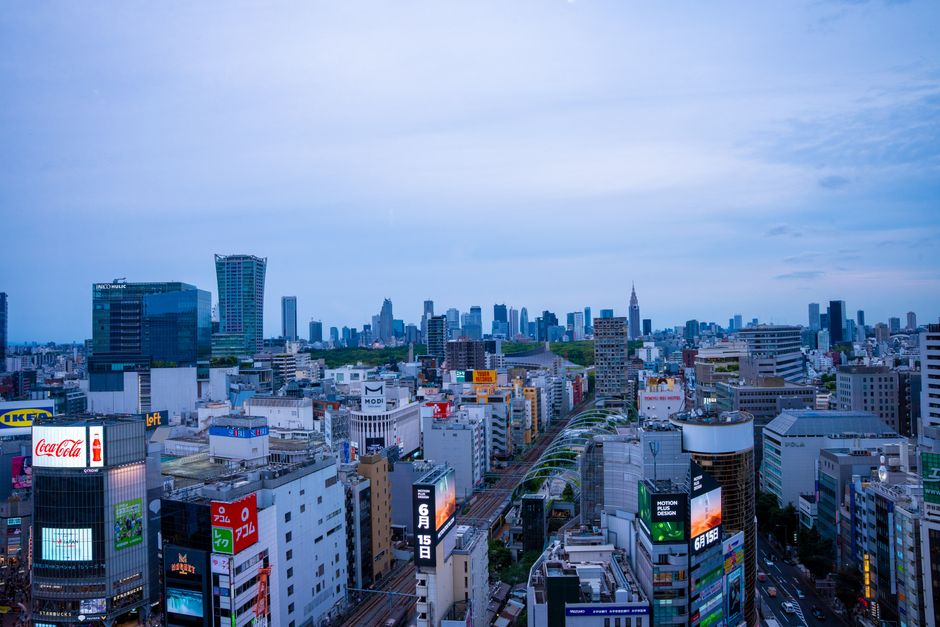
Shibuya represents everything that makes Tokyo extraordinary compressed into one square kilometer. You'll witness the precision of Japanese urban planning, where millions of people navigate complex spaces with clockwork efficiency, yet still discover pockets of traditional culture thriving between the skyscrapers.
The district serves as your gateway to understanding modern Japan. You can shop for the latest Harajuku fashion trends, eat at a 200-year-old soba shop, watch salary workers unwind at tiny yakitori stands, and experience the organized chaos that defines Japanese city life. No other Tokyo neighborhood offers this complete cultural immersion in such a compact area.
Shibuya's magnetic pull extends far beyond tourism. This is where Japan's youth culture originates, where tech giants test their latest innovations, and where global brands launch products they hope will define the next decade. You're not just visiting a place - you're stepping into the laboratory where tomorrow's trends are born today.
Must-See Attractions: Shibuya Crossing and Hachiko Statue
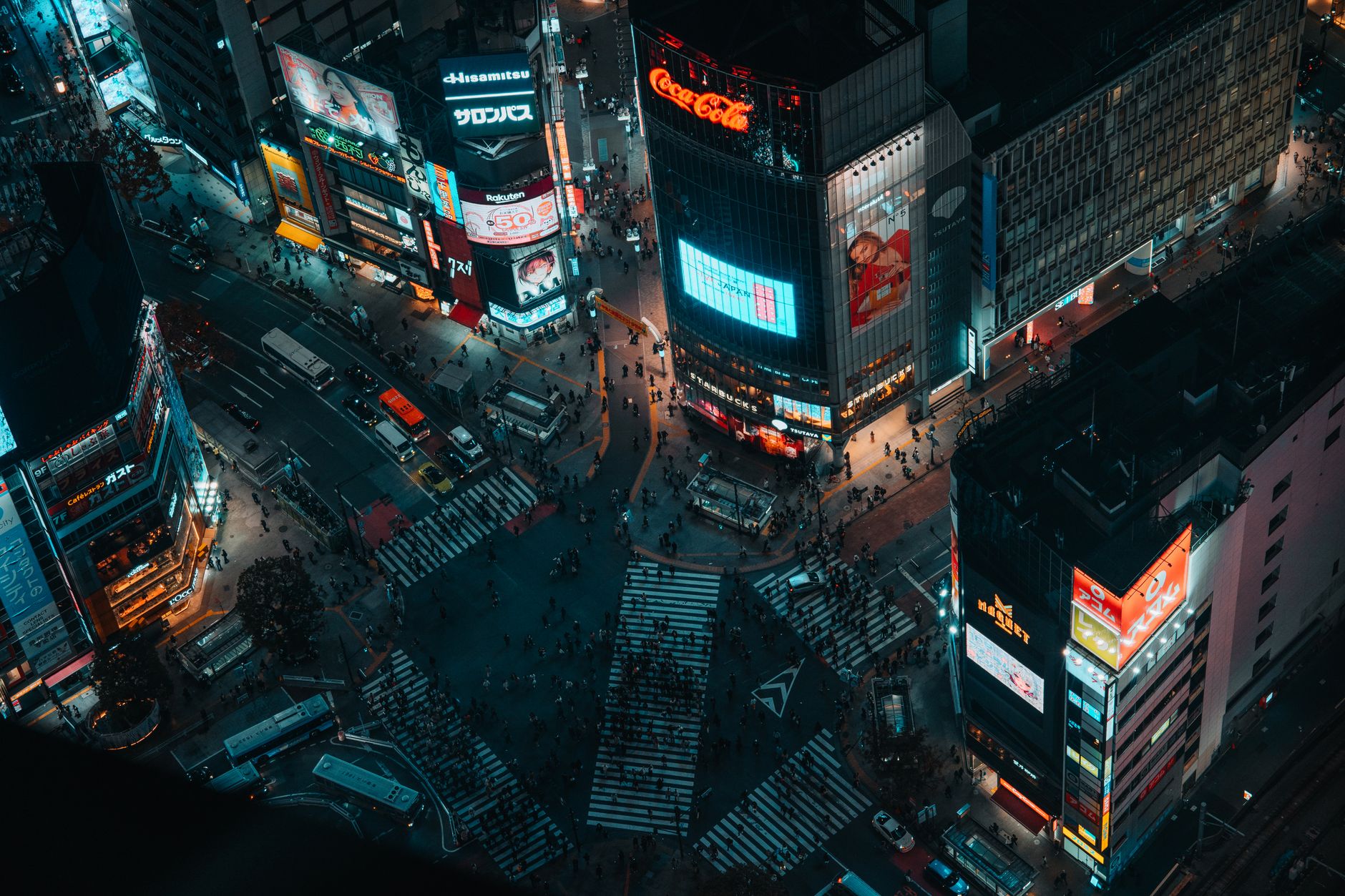
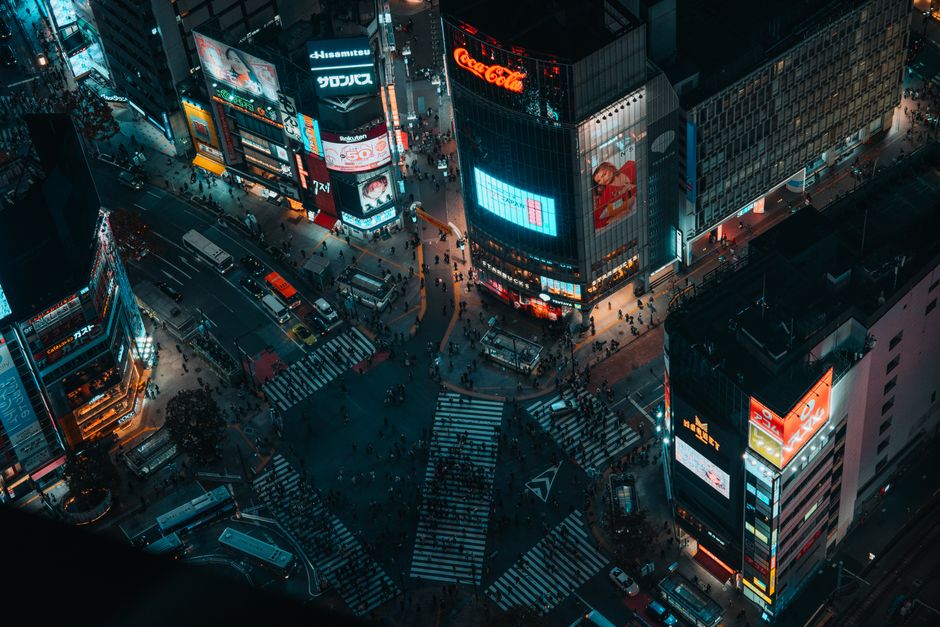
Shibuya Crossing isn't just busy - it's a carefully choreographed dance involving up to 3,000 people per light cycle. The crossing operates on a 2-minute cycle, and during peak hours (8-9am, 6-8pm), you'll be part of what feels like a human tsunami flowing in perfect harmony across five different crosswalks.
The best viewing spots require some strategy. Starbucks on the second floor of Tsutaya offers the classic overhead angle, but expect to wait 30-45 minutes for a window seat during peak times. Shibuya Sky observation deck provides the ultimate aerial perspective for 2,000 yen as of June 2026, though you'll want to book tickets online to avoid disappointment.
Pro Tip: Visit the crossing at 11pm on weekdays for the full visual impact with manageable crowds. The neon lights create an even more dramatic effect after dark, and you'll actually have space to take photos.
The Hachiko statue sits just outside Hachiko Exit, honoring the Akita dog who waited for his deceased owner every day for nearly 10 years. You'll find tourists posing with the bronze statue around the clock, but the real significance lies in understanding how Hachiko became a symbol of loyalty that resonates throughout Japanese culture.
Most visitors snap a quick photo and move on, but spend a few minutes reading the plaques in English to appreciate why this story captivates Japan. The statue also serves as Tokyo's most famous meeting point - "Let's meet at Hachiko" is probably uttered thousands of times daily across the city.
Best Shopping Districts in Shibuya for Every Budget
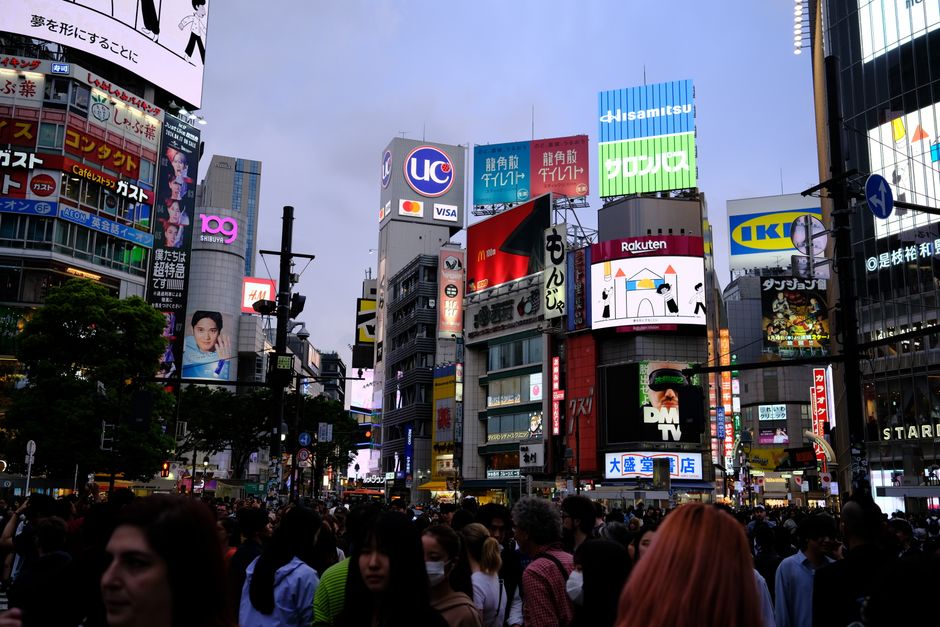
Center Gai pulses with teenage energy and budget-friendly options where you can find vintage band t-shirts, quirky accessories, and the kind of eclectic fashion that makes Harajuku famous worldwide. The narrow pedestrian street stays busy until midnight, packed with clothing stores, game centers, and food stalls that cater to Tokyo's youth culture.

For mid-range shopping, Shibuya 109 remains the epicenter of Japanese street fashion where trends that will hit the rest of Asia six months later are being worn today. Each floor targets a different style tribe, from kawaii culture to visual kei fashion, with prices ranging from 2,000-15,000 yen for most items as of 2026.
- Shibuya Parco - Premium fashion and international brands across 10 floors, featuring everything from Comme des Garçons to Nintendo's official store
- Tokyu Hands - Seven floors of uniquely Japanese products, perfect for finding gifts that don't exist anywhere else in the world
- Don Quijote Shibuya - The 24-hour "discount" store where organized chaos meets retail therapy, famous for bizarre product combinations and surprisingly good prices
- Mega Don Quijote - The flagship store that takes the Don Quijote experience to absurd new levels across multiple floors
Department store basement levels (depachika) offer some of Tokyo's finest food shopping experiences. Tokyu and Seibu basement floors showcase artisanal sweets, perfectly arranged bento boxes, and seasonal specialties that make grocery shopping feel like visiting an art gallery.
Top Restaurants and Nightlife Spots in Shibuya 2026
Shibuya's food scene operates on multiple levels - literally. You'll find everything from Michelin-starred restaurants hidden on the 8th floors of anonymous buildings to standing bars tucked into spaces barely wider than a closet.
Nonbei Yokocho (Drunkard's Alley) squeezes 80 tiny bars and restaurants into an area the size of a city block. These postage-stamp establishments seat 4-8 people maximum, creating an intimacy where you'll end up sharing stories with salarymen who've been coming to the same stool for 20 years. Most bars charge a 500-800 yen cover fee, and expect to spend 3,000-5,000 yen total for drinks and snacks.
For budget eating, head to the restaurant floors of major department stores where you can sample high-quality Japanese cuisine without the intimidation factor. Tokyu Food Show basement and restaurant floors 12-14 offer set meals (teishoku) starting around 1,200 yen that would cost three times as much in other major cities.
- Ichiran Ramen Shibuya - The famous individual booth ramen experience where you customize everything from noodle firmness to spice level
- Genki Sushi - Conveyor belt sushi that's tourist-friendly but still maintains authentic quality, with plates starting at 100 yen
- Shibuya Meat Yokocho - Themed restaurant floor dedicated entirely to yakiniku and wagyu beef experiences
- Golden Gai satellite bars - Several Golden Gai-style establishments have opened in Shibuya, offering the same intimate drinking experience closer to the main action
Note: Many traditional restaurants in Shibuya don't accept reservations and operate first-come, first-served. Plan to eat dinner before 6:30pm or after 8:30pm to avoid the worst crowds.
Unique Cultural Experiences You Can Only Find in Shibuya
Beyond the obvious attractions, Shibuya offers cultural experiences that reveal deeper layers of Japanese society. Shibuya Cultural Project Kokuryo hosts underground art exhibitions and experimental performances that showcase Tokyo's avant-garde scene, often featuring artists who later become internationally recognized.
The Bunkamura complex houses a concert hall, theater, and museum that present both Japanese and international cultural programming. You might catch a traditional kabuki performance one night and a contemporary dance piece the next, all within the same building where Tokyo's cultural elite gather to experience art beyond mainstream entertainment.
Pachinko parlors throughout Shibuya provide insight into a uniquely Japanese form of entertainment that combines gambling, arcade games, and social interaction. While you probably won't become a regular, spending 30 minutes in one of these sensory-overwhelming spaces helps you understand a cultural phenomenon that generates more revenue than Las Vegas casinos.
The district's numerous karaoke boxes offer more than just singing - they're social institutions where business deals are made, friendships are forged, and stress is released after long work days. Big Echo and Karaoke-kan provide English song selections and hourly rates starting around 300 yen per person as of 2026.
For those interested in Japan's spiritual side, Meiji Shrine sits just minutes from Shibuya's chaos, creating a jarring but meaningful contrast between urban intensity and natural tranquility. The shrine's weekend wedding ceremonies offer glimpses into traditional Japanese culture that continues to thrive alongside modernity.
Getting Around Shibuya: Transportation and Navigation Tips
Shibuya Station ranks among the world's most complex train stations, with nine different train lines converging in a three-dimensional maze that confuses even longtime Tokyo residents. Master the color-coded exit system - Hachiko Exit (green signs) leads to the crossing and main shopping areas, while East Exit (blue signs) connects to more residential areas.
Download the Google Translate camera function before arriving, as it instantly translates Japanese signs in real-time through your phone's camera. This proves invaluable when navigating the station's multiple levels and countless corridors that all look remarkably similar.
- JR Yamanote Line - The main loop line connecting all major Tokyo districts, with trains every 2-3 minutes during peak hours
- Tokyo Metro Ginza, Hanzomon, and Fukutoshin Lines - Subway connections to eastern Tokyo and beyond
- Keio and Tokyu Lines - Private railways serving western Tokyo suburbs and popular tourist destinations
- Den-en-toshi Line - Direct access to Shibuya Sky and newer commercial developments
During rush hours (7:30-9:30am, 5:30-7:30pm), expect platform congestion that makes movement extremely slow. White glove-wearing station staff literally push passengers into overcrowded cars during peak times - this is normal, not an emergency situation.
Pro Tip: Use the JR East app to check real-time train delays and platform information. Delays are rare but when they occur, the app provides English updates that help you adjust your plans accordingly.
The IC card system (Suica or Pasmo) works for all trains, subways, buses, and many convenience store purchases. Load your card with at least 2,000 yen to avoid constant recharging, and remember that you can use the same card throughout Japan's major cities. If you're planning extensive train travel, consider checking our Ultimate Japan Travel FAQ 2026 for comprehensive transportation advice.
Perfect One-Day Shibuya Itinerary for First-Time Visitors
9:00 AM - Start at Meiji Shrine before the crowds arrive. The 20-minute walk through the forest provides a peaceful introduction to Tokyo and helps you acclimate to the time difference if you're dealing with jet lag.
11:00 AM - Explore Takeshita Street in nearby Harajuku for 45 minutes to experience Tokyo's kawaii culture and street fashion scene. The narrow pedestrian street offers a concentrated dose of Japanese pop culture that helps contextualize what you'll see throughout Shibuya.
12:30 PM - Lunch at Shibuya Food Show basement level where you can sample various Japanese specialties in a low-pressure environment. Try different vendors to experience the range of Japanese flavors, from traditional to modern fusion.
- 2:00 PM - Shop Center Gai and Shibuya 109 for 90 minutes, focusing on unique Japanese fashion and accessories you can't find elsewhere
- 4:00 PM - Visit Hachiko statue and experience Shibuya Crossing during afternoon rush hour buildup
- 5:30 PM - Head to Shibuya Sky for sunset views and aerial crossing photography
- 7:00 PM - Dinner in Nonbei Yokocho at one of the tiny traditional restaurants
- 9:00 PM - Experience nighttime Shibuya Crossing with full neon illumination
- 10:00 PM - Karaoke session or explore the late-night shopping at Don Quijote
This schedule builds energy throughout the day while ensuring you experience Shibuya's different personalities - from peaceful morning shrine visits to the electric evening energy that makes this district legendary. For safety considerations during your Tokyo adventure, review our Essential Safety Tips for Your Japan Trip 2026.
Best Times to Visit Shibuya and Seasonal Considerations
Seasonal timing dramatically affects your Shibuya experience. Cherry blossom season (late March to early May 2026) brings massive crowds to nearby Yoyogi Park and Meiji Shrine, making navigation more challenging but offering Instagram-worthy moments that justify the hassle.
Summer months (June-August) test your endurance with humidity that makes the crowded crossing feel like a sauna. However, summer festivals and extended shopping hours (many stores stay open until 10pm) create a different energy that some visitors prefer over the more manageable spring and fall seasons.
Winter (December-February) offers the most comfortable crowd levels and the most dramatic neon lighting effects against early darkness. The crossing looks spectacular in snow, though Tokyo snow is unpredictable and usually melts within hours.
Time of day considerations matter more than season for most activities:
- Early morning (7-9am) - Experience the crossing with commuter crowds but minimal tourist chaos
- Afternoon (2-4pm) - Optimal for shopping and dining with reasonable crowd levels
- Evening rush (5-7pm) - Peak crossing activity and maximum energy, but expect delays everywhere
- Late night (10pm-midnight) - Full neon display with manageable crowds, perfect for photography
Warning: Avoid Shibuya on weekend evenings and Japanese holidays when crowd density reaches uncomfortable levels. The crossing becomes less choreographed dance and more survival exercise during peak party times.
Special events throughout 2026 create unique opportunities but require advance planning. Halloween celebrations transform Shibuya into a massive costume party, while New Year's Eve brings controlled chaos as hundreds of thousands gather for the countdown. Check official Tokyo event calendars before planning visits during major holidays.
Frequently Asked Questions
Is Shibuya safe for solo female travelers? Yes, Shibuya maintains the same low crime rates as the rest of Tokyo. The crowds provide natural safety through visibility, and police boxes (koban) are positioned throughout the district. Stay alert in crowded areas for pickpocketing, which while rare, occasionally targets distracted tourists.
How long should I spend exploring Shibuya? Plan a full day (8-10 hours) for your first visit to experience everything from shopping to dining to cultural sites. You can see the main highlights in 4-5 hours, but Shibuya rewards deeper exploration with hidden restaurants, unique shops, and cultural venues that aren't immediately obvious.
What's the best time of day to see Shibuya Crossing? For photos and manageable crowds, visit between 10pm-11pm on weekdays. For the full energy experience, time your visit for evening rush hour (6-7pm) when the crossing reaches peak activity levels.
Where can I get the best view of Shibuya Crossing? Shibuya Sky observation deck offers the ultimate aerial perspective for 2,000 yen, while the Starbucks in Tsutaya building provides the classic angled view at coffee shop prices. Free viewing from street level at the crossing's edges gives you the immersive experience without elevation.
How do I get from Shibuya to other Tokyo districts? The JR Yamanote Line connects Shibuya to all major Tokyo areas in 15-30 minutes. Shinjuku (7 minutes), Harajuku (2 minutes), and Tokyo Station (28 minutes) are direct connections on the same loop line.
What should I eat in Shibuya on a budget? Department store food courts offer quality Japanese meals from 800-1,500 yen, while convenience stores provide surprisingly good options for 300-600 yen. Standing bars in Nonbei Yokocho serve excellent small plates for 200-500 yen each.
Shibuya delivers an urban intensity that feels overwhelming at first but becomes addictive once you learn to navigate its rhythms. You're experiencing more than just a tourist destination - you're witnessing the future of city life played out in real time by 3.5 million people daily. The district changes constantly, but its core energy remains the same electric pulse that has made it Tokyo's most iconic neighborhood for decades. Whether you're interested in Top Things to Do in Morocco 2026, Top Things to Do in Peru 2026, or exploring Best Places to Visit in USA, Shibuya offers a uniquely Japanese urban experience that sets the standard for dynamic city districts worldwide.