Historic Places
Unveiling the Wonders and Thrills of Cebu: Heart of Philippines 2026
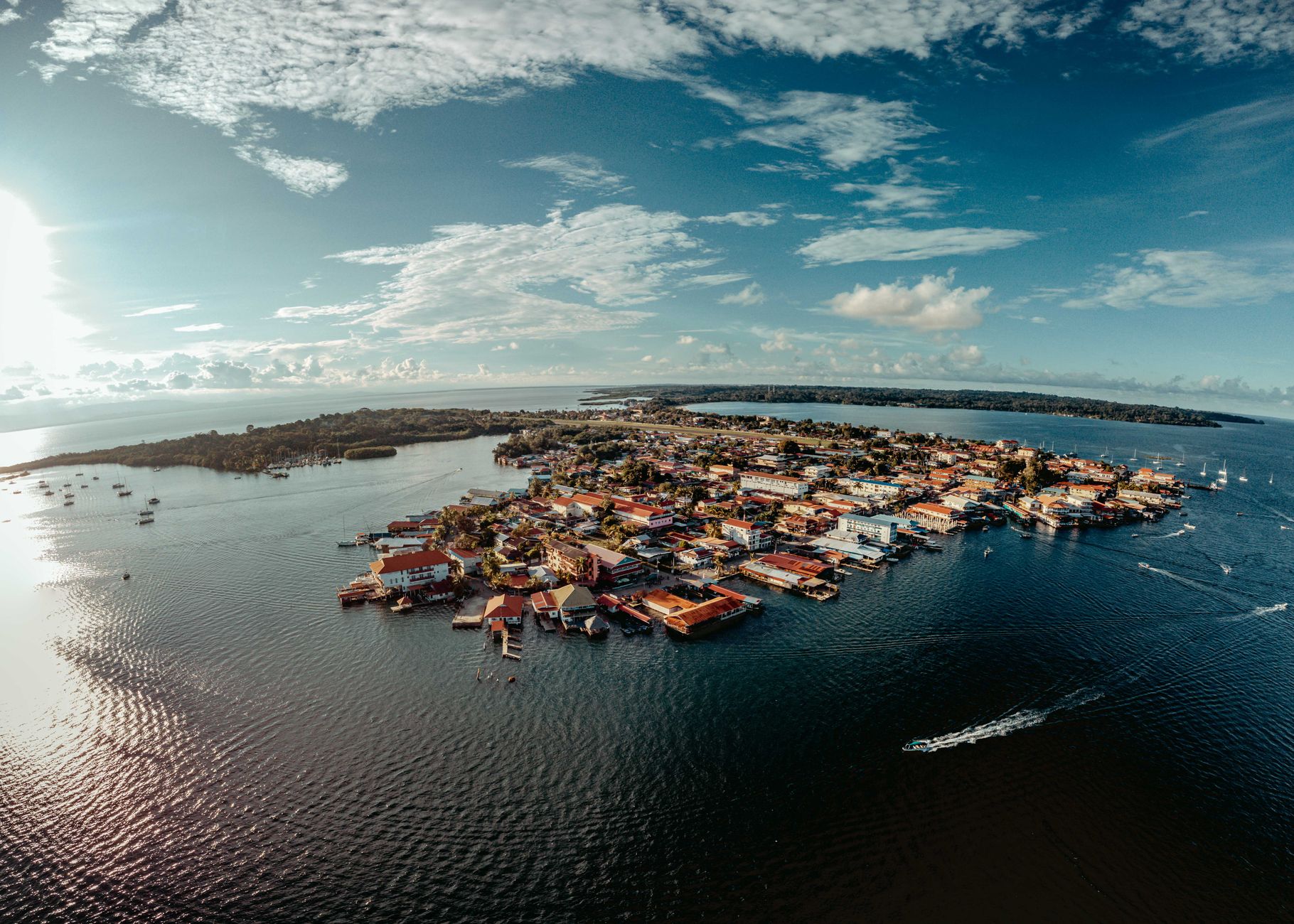
Cebu sits at the geographic and cultural center of the Philippines, and you'll find colonial churches, island beaches, sardine runs, and lechon all within a few hours of Mactan airport...

Cebu sits at the geographic and cultural center of the Philippines, and you'll find colonial churches, island beaches, sardine runs, and lechon all within a few hours of Mactan airport. The province packs more variety into a compact footprint than almost anywhere in the archipelago. You can walk Magellan-era streets in the morning, snorkel with sea turtles by lunch, and eat whole-roasted pig at a roadside stall by dinner. That density is why so many travelers treat Cebu as the anchor of their Philippines trip rather than a quick stopover.
Unlike Manila, which can feel like a sprawling megacity marathon, Cebu gives you a clear rhythm: historic downtown, modern dining districts, south-coast adventure bases, and ferry ports to white-sand islands. The logistics are straightforward in 2026, with frequent flights into Mactan-Cebu International Airport (CEB), reliable buses along the south coast, and a growing network of eSIM data plans that work across the Visayas. If you've been mapping a multi-country trip and already love how compact guides like Exploring the Beauty of Greece: A 7-Day Adventure Guide 2026 lay out history and coast in one route, Cebu follows the same playbook on a smaller scale.
Why Cebu Belongs at the Center of Any Philippines Journey
Cebu earned the "heart of the Philippines" label for reasons you feel on the ground, not just on a map. Geographically, it sits in the Visayas, the island group that connects Luzon to Mindanao. Culturally, Cebuano is one of the most widely spoken regional languages in the country. Historically, it was the first Spanish foothold and the birthplace of Christianity in the Philippines.
Logistically, Cebu works as a hub. Flights from Singapore, Seoul, Tokyo, and Middle East hubs land at CEB daily. From there you reach Bohol by fast ferry in about two hours, Dumaguete in roughly the same window, and Palawan connections via Manila or direct seasonal routes depending on the airline schedule. Domestic carriers like Cebu Pacific, Philippine Airlines, and AirAsia Philippines run frequent Manila-Cebu legs, often under PHP 3,000 one-way if you book a few weeks ahead (check airline sites for current 2026 fares).
You'll also save time by clustering activities. Downtown heritage sites sit within walking distance of each other. South Cebu waterfalls and dive towns line one coastal highway. North ports serve Bantayan and Malapascua. That layout beats bouncing between distant provinces when your vacation days are limited. For travelers who enjoy pairing fortress history with coastal scenery, the mix here rivals what you'd get on a route through Best Castles in Portugal 2026: Medieval Fortresses & Royal P, just with tropical water instead of Atlantic cliffs.
Historic Places That Defined Cebu and the Filipino Story
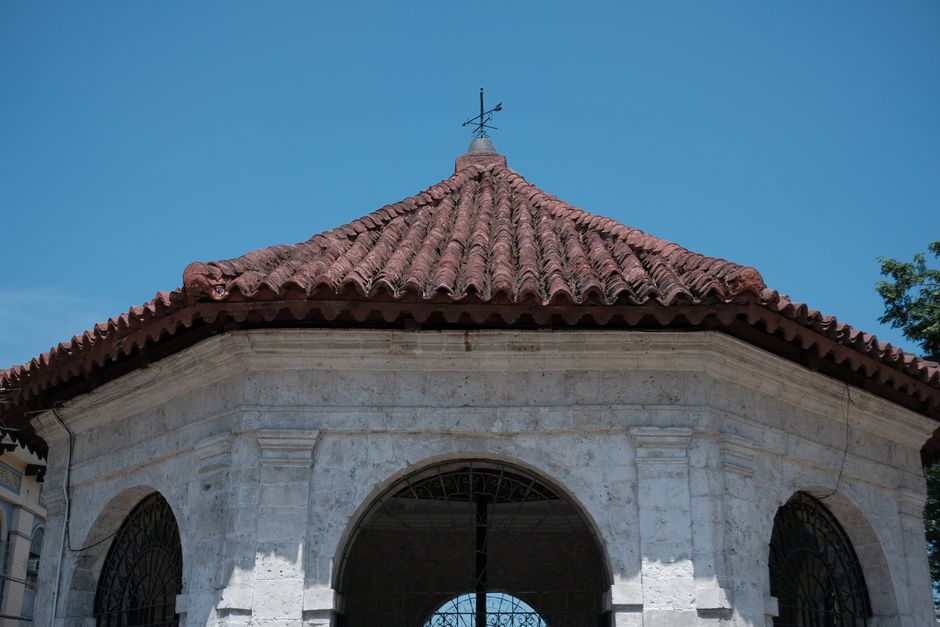
Cebu's historic core tells the story of colonization, trade, and faith in stone and wood. Start at Magellan's Cross inside a small pavilion near Basilica del Santo Niño. The cross marks where Ferdinand Magellan planted a Christian symbol in 1521, an event Filipinos learn in school and visitors encounter within minutes of entering old Cebu. The pavilion ceiling is painted with scenes from that arrival. Go early on a weekday to avoid tour-bus clusters.
Steps away stands the Basilica del Santo Niño, home to a revered image of the Child Jesus. The church dates to the 1560s and draws pilgrims year-round, with crowds swelling during January's Sinulog Festival. Dress modestly, keep voices low inside, and expect security checks on major feast days.
Fort San Pedro, a short walk southwest, is the oldest triangular bastion in the Philippines. Spanish builders completed the core structure in the 1700s on an earlier wooden fort site. Ramparts overlook the port, and a small museum covers Cebu under Spanish rule. Entry runs about PHP 30 as of June 2026; confirm on the Fort San Pedro official page before you go.
For a glimpse of how elite Cebuanos lived in the late 1800s, visit Casa Gorordo Museum on Lopez Jaena Street. The restored bahay na bato (stone house) shows period furniture, courtyard life, and the blend of Spanish and Filipino domestic architecture. Pair it with a slow walk through Colon Street, often cited as the oldest street in the Philippines, and the surrounding heritage blocks where jeepneys, churches, and corner bakeries layer centuries together.
Colonial Churches Beyond Downtown
If you have a half-day, add Parian Church ruins and the Museo Sugbo, a former provincial jail turned history museum. These stops round out the Spanish colonial chapter before you pivot to beaches and reefs. The narrative mirrors what you find in European heritage guides like Unveiling Europe: Top 10 Destinations with Iconic Landmarks , except Cebu folds that history into a working tropical city instead of a preserved old town.
Cebu City Essentials: Neighborhoods, Markets, and Urban Thrills
Two days in metro Cebu covers the essentials without rushing. Mornings belong to downtown heritage walks. Afternoons shift to markets, viewpoints, and dinner districts. Evenings can mean rooftop bars or a lechon run (more on that later).

Carbon Market is the city's commercial pulse. You'll find produce piles, dried fish, household goods, and food stalls serving puso (hanging rice) with grilled meats. Go with cash, watch your bag in crowds, and eat where you see locals lining up. Prices stay low: a filling lunch often lands under PHP 150 as of June 2026.
IT Park (Cebu IT Park) flips the script at night. Tech offices by day turn into restaurants, craft beer bars, and late kitchens. It's a practical base if you want ride-hail access and Western-style comforts without leaving the city. Nearby Ayala Center Cebu handles mall-standard shopping and air-conditioned breaks from tropical heat.
Views and Short Urban Detours
- Tops Lookout, a hillside viewpoint above the city, delivers wide-angle skyline photos at sunset. Grab a taxi or motorcycle ride up; the road twists but the panorama is worth it.
- Sirao Flower Garden, outside central Cebu, draws Instagram crowds with celosia fields. Visit on a weekday morning to skip the worst traffic.
- Mactan Island, connected by bridges, holds beach resorts, the Lapu-Lapu Shrine, and guitar factories. It's convenient if your flight lands late and you want a beach night before heading south.
One to two days here hits Magellan's Cross, Fort San Pedro, Carbon Market, and one modern dining zone. Add a third day only if you want Mactan beaches or extra museum time.
Island Escapes Near Cebu: Bantayan, Malapascua, and Camotes
Cebu Province includes dozens of islands, and three names dominate traveler wish lists. Each offers a different pace, ferry route, and beach character. All reward at least one overnight stay rather than a rushed day trip.
Bantayan Island
Bantayan sits off Cebu's northwest tip. Ferries leave from Hagnaya Port (roughly 3.5 to 4 hours by bus or van from Cebu City, then a 1-hour boat). The island is flat, laid-back, and known for wide sand bars and calm shallows. Holy Week draws big domestic crowds; shoulder months like late January or May 2026 bring easier room availability. Budget fan rooms start around PHP 1,200 per night; mid-range resorts run PHP 3,500 and up (verify on booking sites for your dates).
Malapascua Island
Malapascua, off Maya Port in the north, is the dive crowd's favorite. Thresher shark dives at Monad Shoal happen at dawn, and the island's sandy paths link small guesthouses to quiet coves. Expect a 4-hour overland trip to Maya from Cebu City, then a 30-minute outrigger crossing. Non-divers still enjoy snorkeling and beach time, but the island's soul is underwater. *Book dive shops ahead in peak season.*
Camotes Islands
The Camotes group east of Cebu feels sleepier. Lake Danao, Timobo Cave pools, and white-sand stretches like Santiago Bay suit families and slow travelers. Ferries depart from Danao City or Cebu City ports depending on the operator schedule; check Philippine Ports Authority updates for current timetables. Four-wheeler rentals help you reach inland swimming holes.
Quick comparison: Bantayan wins for pure beach loafing. Malapascua is for divers and early mornings. Camotes fits travelers who want low-key island life without the party scene. All three pair well with a mainland heritage day before or after.
South Cebu Adventures: Moalboal, Oslob, Kawasan, and Osmeña Peak
South Cebu is where mainland adventure concentrates. A single coastal highway links towns, and vans or buses depart Cebu South Bus Terminal throughout the day. Many travelers base in Moalboal or Oslob and day-trip from there.
Moalboal: Sardines and Reefs
Moalboal's sardine run is the headline act. Millions of sardines form shifting walls just offshore near Panagsama Beach. You can snorkel or freedive among them without a boat ride. Sea turtles graze on nearby reefs, and canyoneering outfitters run trips to Kawasan. Moalboal works as a 2- to 3-night base with guesthouses from PHP 800 per night and dive shops offering fun dives around PHP 2,500 (confirm 2026 rates locally).
Oslob Whale Sharks
Oslob built global fame on whale shark encounters where boats feed sharks so tourists can swim nearby. You'll see dramatic photos, but the ethics are messy. Marine biologists and responsible tourism groups criticize feeding because it alters migration and behavior. If you go, follow guide rules, keep distance, and skip flash photography. *Many travelers now choose Donsol in Sorsogon or Leyte's Padre Burgos for wild, non-fed encounters instead.* We cover the debate because you will hear about Oslob; deciding consciously matters more than checking a box.
Kawasan Falls Canyoneering
Kawasan Falls in Badian draws adrenaline seekers for canyoneering: jumps, swims, and rappels through turquoise pools. Full trips take most of a day and cost roughly PHP 1,500 to PHP 2,500 per person including gear and guides as of June 2026 (prices vary by operator and group size). Wear secure water shoes, bring a dry bag, and start early to beat midday crowds.
Osmeña Peak
Osmeña Peak in Dalaguete is Cebu's highest point at about 1,013 meters. The hike is short but steep, and sunrise views roll across jagged hills that look almost surreal against the sea. Arrange a habal-habal (motorcycle taxi) from Mantalongon market predawn, or join a guided trek from Moalboal. Bring a jacket; it's cool up top before the sun climbs.
Warning: South Cebu roads are scenic but narrow. Van drivers often speed. Sit up front only if you trust the operator, and avoid night travel on cliff sections during typhoon season.
Cebuano Culture on the Plate: Lechon, Sinulog, and Local Festivals
Food and festivals are how Cebuano identity sticks with you after the churches fade from memory. Lechon (whole roasted pig) is the province's edible calling card. Anthony Bourdain famously praised Cebu lechon, and locals argue fiercely about which stall wins. Rico's Lechon and Zubuchon get tourist traffic, but neighborhood spots along Salinas Drive or Carcar (south of the city) often deliver the crackling skin and herbed stuffing that define the style. Order by the kilo if you're solo; a half kilo with rice feeds two for about PHP 400 to PHP 600 as of June 2026.
Street food rounds out the picture: sutukil (sugba, tuwa, kilaw) seafood platters, pungko-pungko (fried bites dipped in sauce at low tables), and dried mangoes from Pasalubong centers for gifts.
Sinulog and the Festival Calendar
Sinulog, held on the third Sunday of January, is Cebu's biggest party. Millions watch street dances honoring the Santo Niño, and hotel prices spike weeks ahead. If you visit in January 2027 planning ahead, book rooms by October 2026 and expect closed roads downtown. Smaller fiestas dot the calendar year-round at barangay level, often with free food and live bands.
"Lami kaayo!" means "It's very delicious!" Say it sincerely after a lechon meal and you'll make instant friends.
Connecting food pilgrimages to festival timing turns checklist sightseeing into cultural context. You understand why churches matter when you see Sinulog dancers fill the same streets where Magellan's expedition landed. That layer of living tradition separates Cebu from passive museum towns, similar to how Top Things to Do in Morocco 2026: A Complete Travel Guide ties markets and medinas to daily ritual.
Planning Your Cebu Trip in 2026: Seasons, Budgets, and Getting Around
Timing shapes everything in the tropics. Cebu sits outside the main typhoon belt but still catches storms, especially August through November. The driest window for most travelers runs December through May, with February and March offering strong sun and manageable humidity. April and May heat up before the habagat (southwest monsoon) shifts patterns.
Airport Transfers and Overland Transport
Mactan-Cebu International Airport sits on Mactan Island. Official taxis and ride-hail (Grab works in metro Cebu as of June 2026) reach downtown in 30 to 60 minutes depending on traffic. Fare to Ayala or IT Park often lands PHP 400 to PHP 700. Airport buses also run toward SM City Cebu for budget travelers.
For Moalboal, take a Ceres bus from South Bus Terminal (about 3 to 4 hours, PHP 160 to PHP 200). For Malapascua, vans or buses head to Maya Port (roughly 4 to 5 hours), then a boat. No direct airport link exists; budget a full travel day.
Money, Connectivity, and Daily Costs
- Cash rules outside malls and upscale hotels. ATMs cluster in cities; remote islands run out of cash on weekends.
- eSIMs from Globe or Smart load easily at airport kiosks. Data packages around PHP 299 to PHP 599 cover a week for maps and messaging (check carrier apps for 2026 bundles).
- Mid-range budget lands near PHP 2,500 to PHP 4,000 per person per day including lodging, meals, and local transport as of June 2026. Backpackers can go lower; resort stays push higher.
- Visas: US and EU passport holders typically enter visa-free for stays up to 30 days under Philippines policy as of June 2026. Always confirm on the Bureau of Immigration site before booking, since rules can change.
Pro Tip: Download offline Google Maps for Cebu City and your south-coast base. Cell signal drops on mountain roads to Osmeña Peak and on some ferry routes.
Typhoon watches can cancel ferries with little notice. Build one buffer day into island-hopping plans during rainy months, the same flexibility you'd want planning coastal routes like Exploring the Fjords of Norway: A Journey Through Stunning L.
Sample Cebu Itineraries: 3, 5, and 7 Days Through History and Islands
3 Days: City and One South Coast Hit
Day 1: Land at CEB, check into downtown or IT Park, walk Magellan's Cross and Fort San Pedro. Dinner at a lechon spot.
Day 2: Bus to Moalboal, snorkel the sardine run, sunset on Panagsama Beach.
Day 3: Morning reef swim or quick Kawasan Falls visit, return to Cebu City for your flight.
This sprint covers colonial churches and the classic sardine run without island ferries. Best for first-timers on tight leave.
5 Days: Heritage Plus Island Escape
Days 1-2: Cebu City heritage, Carbon Market, Tops Lookout or Mactan side trip.
Days 3-4: Ferry to Malapascua or Bantayan. Dive or beach, one slow sunrise.
Day 5: Return to mainland, fly out from CEB.
Five days lets you pair historic places with white-sand island hopping without the exhaustion of moving every single night. Divers should pick Malapascua; pure beach readers should pick Bantayan.
7 Days: Full Loop for Return Visitors
Days 1-2: Cebu City and Casa Gorordo depth tour.
Days 3-4: Moalboal base: sardines, turtles, Kawasan canyoneering.
Day 5: Osmeña Peak sunrise, optional ethical wildlife choice instead of Oslob feeding.
Days 6-7: Camotes or Bantayan overnight, then depart.
A week mirrors the pacing of longer guides such as Top Things to Do in Peru 2026: A Complete Travel Guide or Best Tourist Attractions to See in India, where you alternate urban culture with nature blocks. Slow travelers can swap an adventure day for a second island night.
Frequently Asked Questions
What is Cebu best known for among travelers?
Lechon, Sinulog Festival, Magellan heritage sites, Moalboal's sardine run, and island hops to Bantayan and Malapascua top the list. Colonial churches and whale shark trips in Oslob also dominate social feeds, though ethics on the latter deserve scrutiny.
How many days do you need to see Cebu City and the islands?
Plan 3 days minimum for city sights plus one south-coast or island block. 5 to 7 days covers heritage, Moalboal, and a northern island without rushing. Ten days lets you add Camotes and extra dive days.
What is the best time of year to visit Cebu?
December through May 2026 brings the driest weather for most travelers. January adds Sinulog energy. Avoid stacking island ferries during peak typhoon months (August to November) without backup days.
Is it ethical to swim with whale sharks in Oslob?
Most conservation-minded travelers say no. Feeding keeps sharks near shore and changes natural behavior. If wildlife encounters matter to you, research wild alternatives elsewhere in the Philippines or skip the activity entirely.
How do you get from Mactan-Cebu International Airport to Moalboal or Malapascua?
To Moalboal, taxi or Grab to South Bus Terminal, then a Ceres bus (3 to 4 hours). To Malapascua, van or bus to Maya Port (4 to 5 hours), then an outrigger boat. No direct airport service exists; start early.
Do US and EU passport holders need a visa to visit Cebu in 2026?
Typically no for tourism stays of 30 days or less under visa-free policies in force as of June 2026. Verify your nationality's status on the official immigration portal before travel.
Cebu rewards travelers who mix planning with flexibility. Lock in your Sinulog dates or dive reservations early, then leave room for a spontaneous lechon detour or an extra beach afternoon. You'll leave understanding why the Philippines so often starts here, and why many visitors come back.