FAQ
Your Ultimate Japan Travel FAQ: Get Answers Before You Go 2026
Planning a trip to Japan can feel overwhelming with so many questions about visas, transportation, cultural norms, and practical logistics. This full FAQ guide covers everything you need to know...

Planning a trip to Japan can feel overwhelming with so many questions about visas, transportation, cultural norms, and practical logistics. Japan combines ancient traditions with cutting-edge technology, creating unique travel experiences that require some preparation to fully appreciate.

From navigating Tokyo's subway system to understanding proper bowing etiquette, Japan has specific customs and practical considerations that differ significantly from Western countries. This guide answers the most frequently asked questions about visiting Japan, giving you the confidence to navigate this fascinating country like a seasoned traveler.
Visa Requirements and Entry to Japan
Most travelers wonder whether they need a visa to visit Japan as tourists. The answer depends on your nationality and length of stay. Citizens from 68 countries, including the United States, Canada, United Kingdom, Australia, and most European Union nations, can enter Japan visa-free for tourism purposes.
If you qualify for visa-free entry, you can stay up to 90 days for tourism, business meetings, or visiting friends and family. Your passport must be valid for the duration of your stay, and you'll need a return or onward ticket. Immigration officers may ask about your accommodation plans and financial resources, so keep hotel confirmations and proof of funds handy.
For stays longer than 90 days or purposes beyond tourism, you'll need to apply for the appropriate visa at a Japanese consulate before traveling. Work visas, student visas, and long-term visitor visas require specific documentation and processing times of several weeks.
Note: Visa requirements can change. Always verify current requirements on the official website of the Japanese embassy in your country before booking your flights.
Upon arrival, you'll go through immigration, where officers stamp your passport with your permitted stay duration. Keep this stamp safe, as you'll need it when departing Japan. The immigration process is typically quick and efficient at major airports like Narita and Haneda in Tokyo.
Money Matters: Currency, Cards, and Cash in Japan
Japan remains a predominantly cash-based society, which surprises many visitors accustomed to using cards everywhere. While credit card acceptance has improved significantly in recent years, especially in Tokyo and other major cities, you'll still encounter many situations where only cash is accepted.
The Japanese yen (¥) is the only currency accepted throughout the country. As of May 2026, exchange rates fluctuate around 110-130 yen per US dollar, but check current rates before your trip. You'll find coins in denominations of ¥1, ¥5, ¥10, ¥50, ¥100, and ¥500, plus bills in ¥1,000, ¥2,000 (rare), ¥5,000, and ¥10,000.
Credit cards work best at department stores, major restaurants, hotels, and tourist attractions. Visa and Mastercard have the widest acceptance, while American Express and Discover have more limited use. Many smaller restaurants, local shops, markets, and transportation still require cash.
- 7-Eleven ATMs are your best friend for cash withdrawal. They accept most international cards and are available 24/7 throughout the country.
- Japan Post Bank ATMs also accept foreign cards and have English language options. You'll find these at post offices nationwide.
- IC cards like Suica and Pasmo work like rechargeable debit cards for trains, subways, buses, and many convenience stores and vending machines.
- Mobile payments including Apple Pay and Google Pay work with supported cards at participating merchants.
Budget approximately ¥8,000-12,000 ($60-90 USD) per day for meals, local transportation, and small purchases. Always carry at least ¥10,000 in cash as backup. ATM withdrawal fees typically range from ¥100-220 per transaction, plus any fees from your home bank.
Transportation Guide: JR Pass, IC Cards, and Getting Around
Japan's transportation system is renowned for efficiency and punctuality, but it can seem complex initially. The Japan Rail Pass (JR Pass) often tops travelers' questions, and whether it's worth buying depends on your specific itinerary.

The JR Pass costs ¥29,650 for 7 days, ¥47,250 for 14 days, and ¥60,450 for 21 days as of May 2026. It covers all JR trains including most shinkansen (bullet trains), local JR trains, JR buses, and the JR ferry to Miyajima. The pass pays for itself if you take one round trip between Tokyo and Kyoto or Osaka.
However, the JR Pass doesn't cover all transportation. You'll still need separate tickets or IC cards for non-JR subway lines (like Tokyo Metro), private railways, and local buses in most cities. The pass also excludes the fastest Nozomi and Mizuho shinkansen trains.
IC cards like Suica (JR East) and ICOCA (JR West) offer more flexibility for urban travel. You can use them on virtually all trains and subways within metropolitan areas, plus many buses, convenience stores, and vending machines. Load them with cash at any station machine and tap in and out as you travel.
Pro Tip: Download the Hyperdia app for accurate train schedules and route planning. It works offline and shows platform numbers, transfer information, and estimated travel times.
For local transportation within cities, day passes often provide good value. Tokyo Metro 24-hour tickets cost ¥730, while Osaka Amazing Passes include unlimited subway/bus rides plus discounts at attractions.
Cultural Etiquette and Japanese Customs You Should Know
Understanding Japanese etiquette helps you show respect and avoid unintentionally offending locals. Japanese society values harmony, respect, and consideration for others above individual expression.

Bowing is the traditional greeting, but a slight nod or verbal greeting works fine for visitors. Handshakes are acceptable in business contexts. Always remove shoes when entering homes, traditional restaurants, temples, and some hotels. Look for the genkan (entrance area) where you'll see other shoes lined up.
Public behavior follows strict unwritten rules. Keep conversations quiet on trains and avoid phone calls entirely. Eating while walking is generally frowned upon, except at festivals. Don't blow your nose in public, and always carry tissues since public restrooms rarely provide them.
- Temple and shrine etiquette requires purification at the water basin before approaching the main hall. Bow before and after praying, toss a coin, and clap twice at shrines.
- Business card exchange involves receiving with both hands and examining it respectfully before placing it on the table during meetings.
- Gift giving is important if visiting someone's home. Bring omiyage (local souvenirs) wrapped nicely, and present with both hands.
- Bathing customs at onsen require washing thoroughly before entering the communal baths. Tattoos may result in denial of entry at some facilities.
Japanese people appreciate when visitors make an effort to understand local customs, even if you don't execute them perfectly. A genuine attempt at respect goes much further than worry about making mistakes.
Language Barriers: Communication Tips for Non-Japanese Speakers
Language barriers cause anxiety for many first-time visitors to Japan, but communication is more manageable than you might expect. While English proficiency varies widely, younger Japanese people and those in tourism-related jobs often speak basic English.
Download essential translation apps before your trip. Google Translate works offline and includes a camera feature for translating signs and menus in real-time. Microsoft Translator and Papago offer similar functionality. VoiceTra, developed by Japan's National Institute of Information and Communications Technology, specializes in Japanese and works well for spoken translation.
Learn these essential phrases: arigatou gozaimasu (thank you very much), sumimasen (excuse me/sorry), onegaishimasu (please), and wakarimasen (I don't understand). These cover most polite interactions you'll need daily.
Most train stations, airports, and tourist areas have English signage and announcements. Major cities provide English maps and guides at tourist information centers. Station staff at major hubs often speak basic English, and many wear badges indicating language abilities.
Pro Tip: Write down your hotel's address in Japanese characters before heading out. Show this to taxi drivers or ask for directions back if you get lost.
Don't hesitate to use gestures, drawings, or smartphone screens to communicate. Japanese people are generally patient and helpful with foreign visitors, often going out of their way to assist even with limited shared language. Many will use translation apps on their phones to help you.
Food Culture: Dining Etiquette and Dietary Accommodations
Japanese food culture extends far beyond sushi, encompassing diverse regional cuisines and specific dining customs. Understanding these traditions enhances your culinary experiences and shows respect for local culture.

Chopstick etiquette includes several important don'ts: never stick them upright in rice (resembles funeral rituals), don't pass food directly between chopsticks, and avoid pointing with them. When not eating, place chopsticks on the provided rest or across your bowl.
Say "itadakimasu" before eating (I gratefully receive) and "gochisousama" after finishing (thank you for the feast). Slurping noodles is not only acceptable but encouraged, as it cools the noodles and enhances flavors. At sushi restaurants, eating with your hands is perfectly acceptable.
Dietary accommodations require advance planning. Vegetarian and vegan options exist but aren't widely understood. Dashi (fish stock) appears in many seemingly vegetarian dishes. Buddhist temple cuisine (shojin ryori) offers authentic vegetarian meals. Apps like HappyCow help locate vegetarian-friendly restaurants.
- Halal food is available in major cities, with certified restaurants and halal grocery stores increasing each year.
- Gluten-free dining presents challenges since soy sauce contains wheat. Specialist restaurants and health food stores in Tokyo and Osaka cater to gluten-free needs.
- Food allergies should be communicated clearly. Carry allergy cards in Japanese or use translation apps to explain your restrictions.
- Convenience store food offers surprisingly high quality, with fresh onigiri, sandwiches, and prepared meals available 24/7.
Tipping is not practiced in Japan and can cause confusion or offense. Service charges are included in prices, and exceptional service is considered standard professional behavior.
Accommodation Options: From Ryokans to Business Hotels
Japan offers diverse accommodation types, each providing different experiences and price points. Understanding your options helps you choose lodging that matches your travel style and budget.
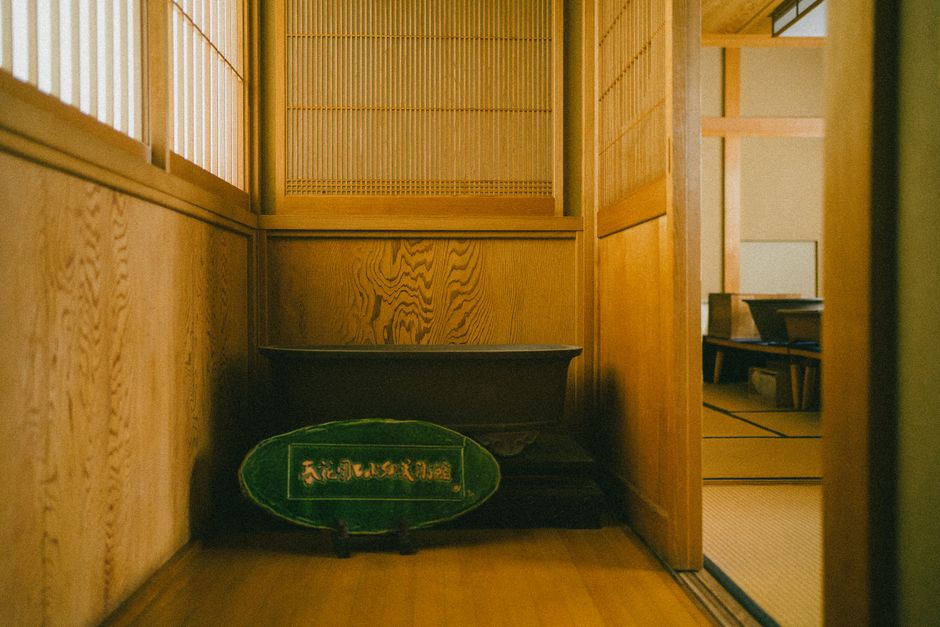
Ryokans provide traditional Japanese hospitality with tatami mat rooms, futon beds, and often include elaborate multi-course dinners (kaiseki) and breakfast. Prices range from ¥10,000-50,000 per person including meals. Some ryokans have onsen (hot spring baths) on-site. Book well in advance, especially during cherry blossom season and autumn.
Business hotels focus on efficiency and convenience, typically offering small but well-designed single or double rooms. Expect rates of ¥6,000-12,000 per night in major cities. Chains like APA Hotel, Toyoko Inn, and Super Hotel maintain consistent quality nationwide. These hotels usually include basic breakfast and are located near train stations.
Capsule hotels provide unique experiences for budget travelers, with rates around ¥3,000-6,000 per night. Modern capsule hotels include amenities like lounges, baths, and secure storage. Some now offer female-only floors and larger "cabin" styles.
- Love hotels (despite the name) offer legitimate accommodation with creative themes and hourly rates, though overnight stays are available.
- Minshuku are family-run guesthouses offering simple rooms and home-cooked meals at moderate prices.
- International hotel chains provide familiar amenities but at premium prices, typically ¥15,000-30,000 per night.
- Hostels and guesthouses cater to budget travelers with dorm beds from ¥2,500-4,500 and private rooms from ¥6,000.
Book accommodations well in advance, especially during peak seasons. Many smaller properties don't accept online bookings and require phone reservations in Japanese. Consider location carefully, as Japan's cities sprawl extensively and commute times can be lengthy.
Best Times to Visit Japan: Seasons, Weather, and Crowds
Timing your Japan visit significantly impacts your experience, from weather conditions to crowd levels and seasonal activities. Each season offers distinct advantages and challenges.
Spring (March-May) brings the famous cherry blossom season, with peak bloom occurring in late March to early May depending on location. This is Japan's most popular tourist season, resulting in higher prices and crowded attractions. Book accommodations months in advance. Weather is mild and pleasant, perfect for walking and outdoor activities.
Summer (June-August) begins with rainy season (tsuyu) in June and early July, followed by hot, humid weather. Temperatures reach 30-35°C (86-95°F) with high humidity. Despite the heat, summer offers lively festivals, fireworks displays, and hiking opportunities in mountainous regions. This season sees fewer international tourists but more domestic travel.
Autumn (September-November) delivers spectacular fall colors, mild temperatures, and clear skies. October and November are considered ideal for visiting, with comfortable weather and beautiful foliage. This season rivals spring for popularity, especially in Kyoto and other historic areas known for autumn leaves.
Winter (December-February) brings snow to northern and mountainous regions, creating excellent skiing conditions. Central and southern Japan remain relatively mild, with occasional snow. Winter is the least crowded season for sightseeing, offering better value on accommodations and fewer crowds at popular attractions.
Warning: Golden Week (late April/early May), Obon (mid-August), and New Year (late December/early January) are major Japanese holidays when domestic travel peaks and many businesses close.
For those seeking specific experiences, plan accordingly: cherry blossoms require flexibility and booking far in advance, summer festivals offer cultural immersion despite heat, autumn provides the most comfortable weather, and winter delivers unique seasonal experiences with fewer crowds.
Before you start your Japanese adventure, remember that preparation enhances every aspect of your journey. Understanding visa requirements, transportation options, cultural customs, and practical logistics allows you to focus on experiencing Japan's remarkable blend of tradition and innovation. While this guide covers essential information, Japan continues to evolve as a destination, so always verify current details for entry requirements, transportation costs, and seasonal considerations. For additional safety considerations during your travels, check out our full Safety Tips You Should Know Before Your Trip To Japan guide.
Japan rewards visitors who approach the country with respect, curiosity, and basic cultural awareness, offering experiences that extend far beyond typical tourist attractions. For travelers interested in exploring multiple international destinations, our guides to top destinations for every traveler can help you plan full travel itineraries.