
Islands
Discover Best Islands in Cuba 2026
Discover the best islands in Cuba, including Cayo Largo, Cayo Guillermo, and the Isle of Youth, and get practical tips for traveling to these stunning destinations...
6 min read
Asia
01 / Guides
1
02 / Best time
Year-round
03 / Continent
Asia
04 / Currency
-
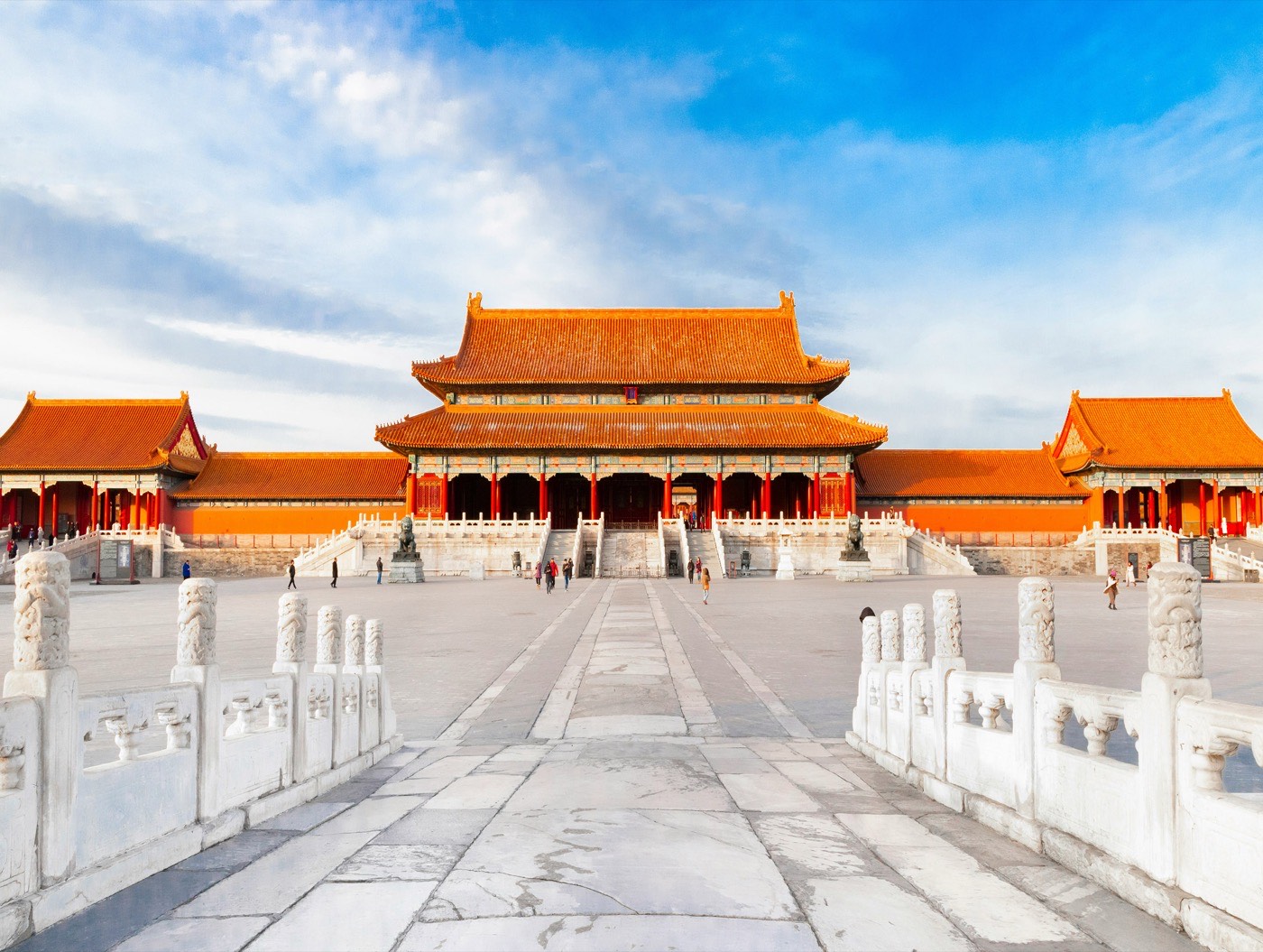
China, one of the largest and most dynamic countries in East Asia, offers an array of experiences that cater to all kinds of travelers. Whether you’re an intrepid backpacker, a couple seeking romance, a solo adventurer, or someone looking for a luxurious getaway, China is a destination that promises something for everyone.
From its ancient traditions and rich history to its cutting-edge modern culture, China presents a fascinating mix of old and new. The country is home to a stunning range of landscapes - from bustling cities with towering skyscrapers to peaceful countryside dotted with rice fields. Whether you’re attending grand festivals, visiting sacred temples, or simply enjoying the natural beauty that stretches across its vast territories, China provides an unforgettable experience for all types of explorers.
If you're planning your first trip to China, this guide will walk you through all the essentials. We’ll cover the best times to visit, top destinations, what to expect in terms of travel costs, and offer tips to help you get the most out of your adventure. With this knowledge in hand, you’ll be ready to explore all that this incredible country has to offer.

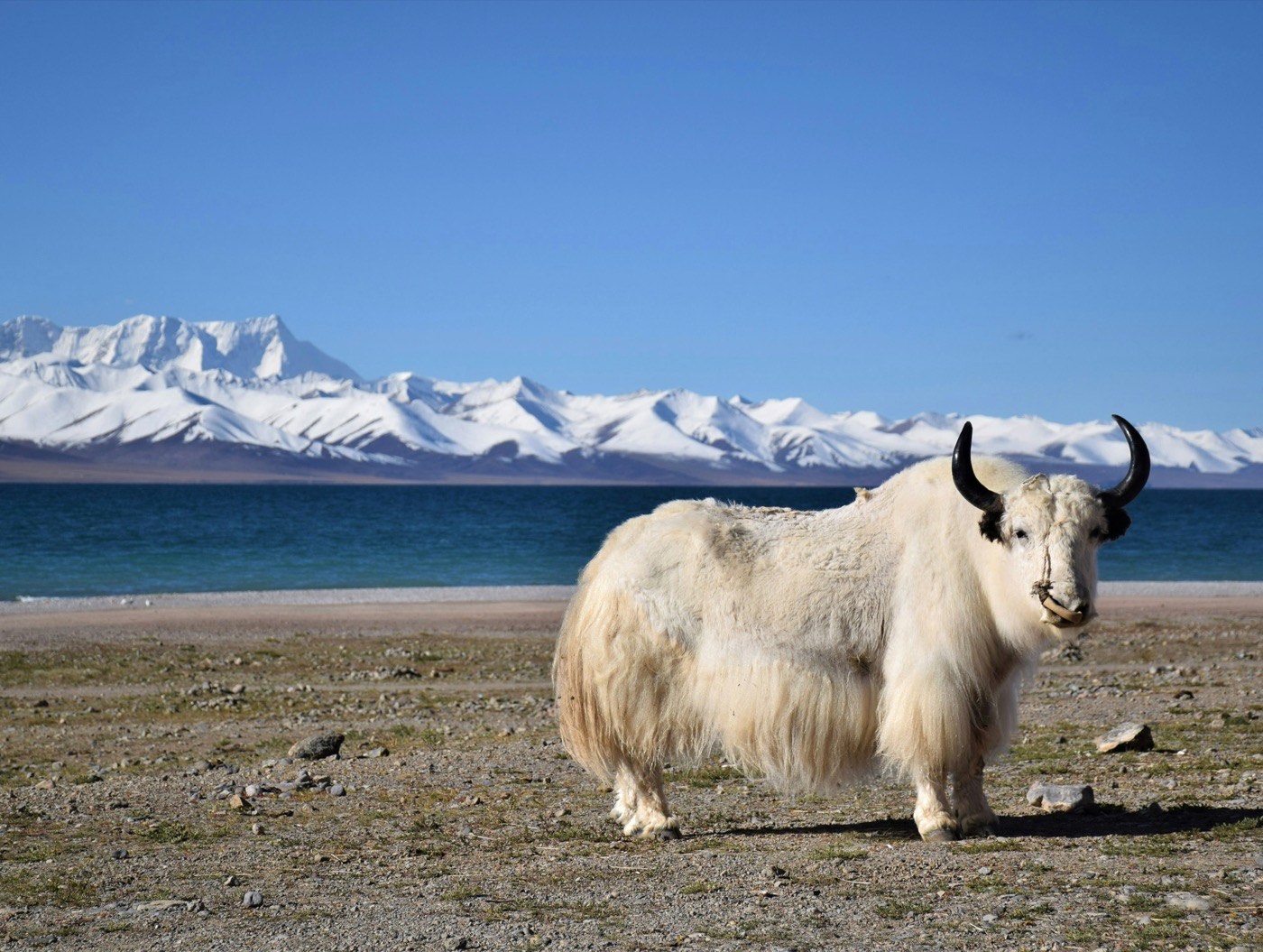

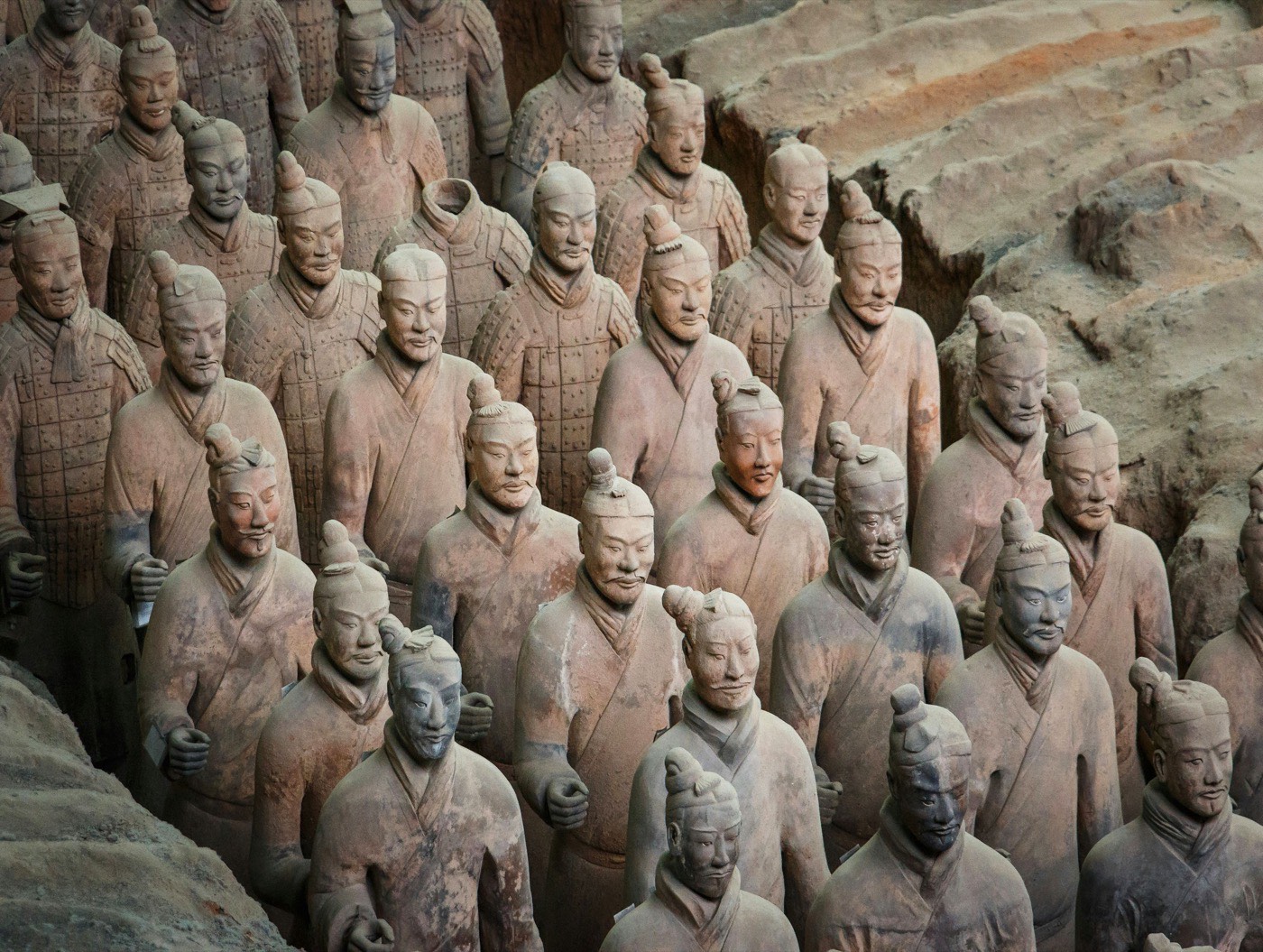
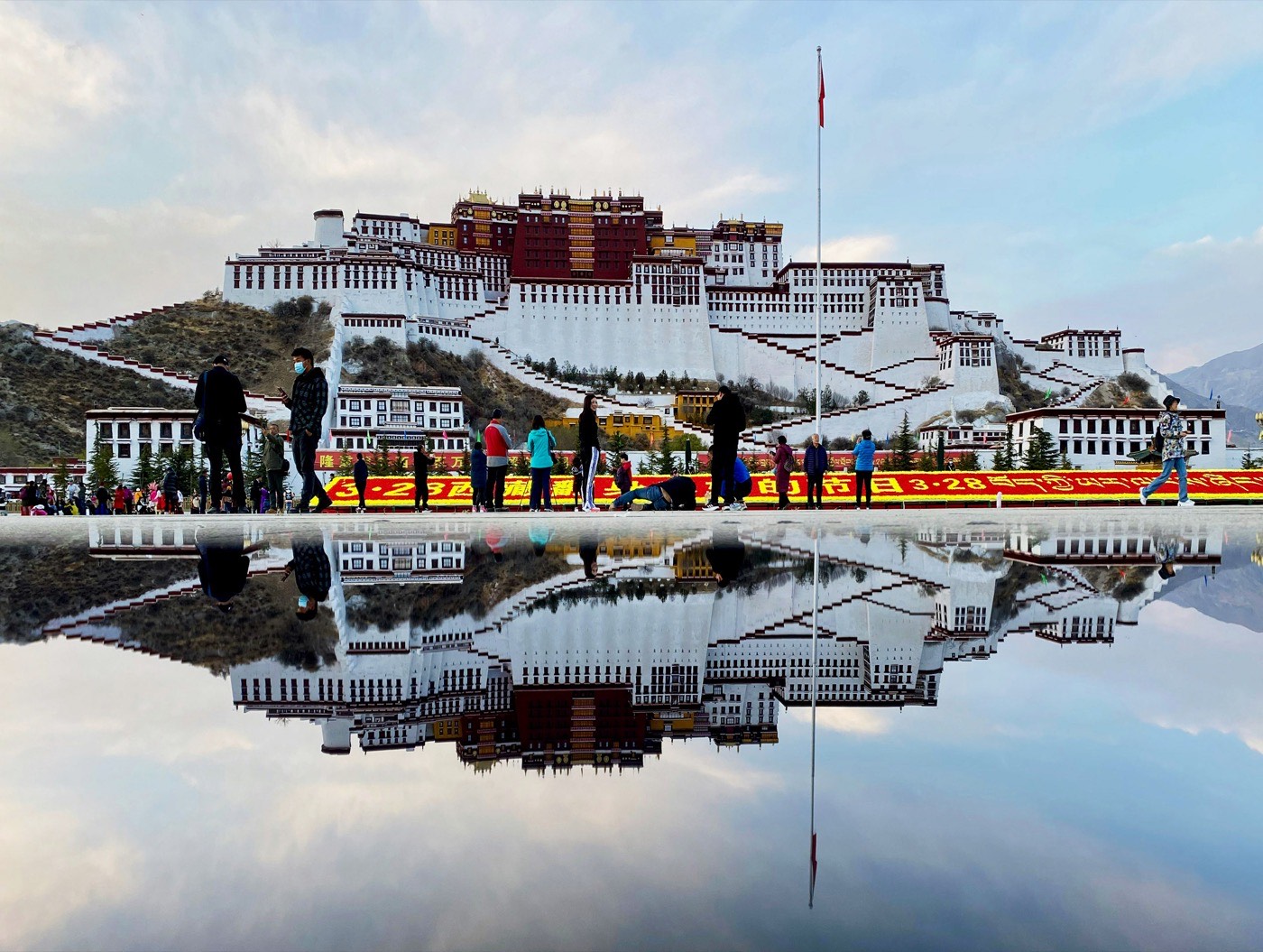

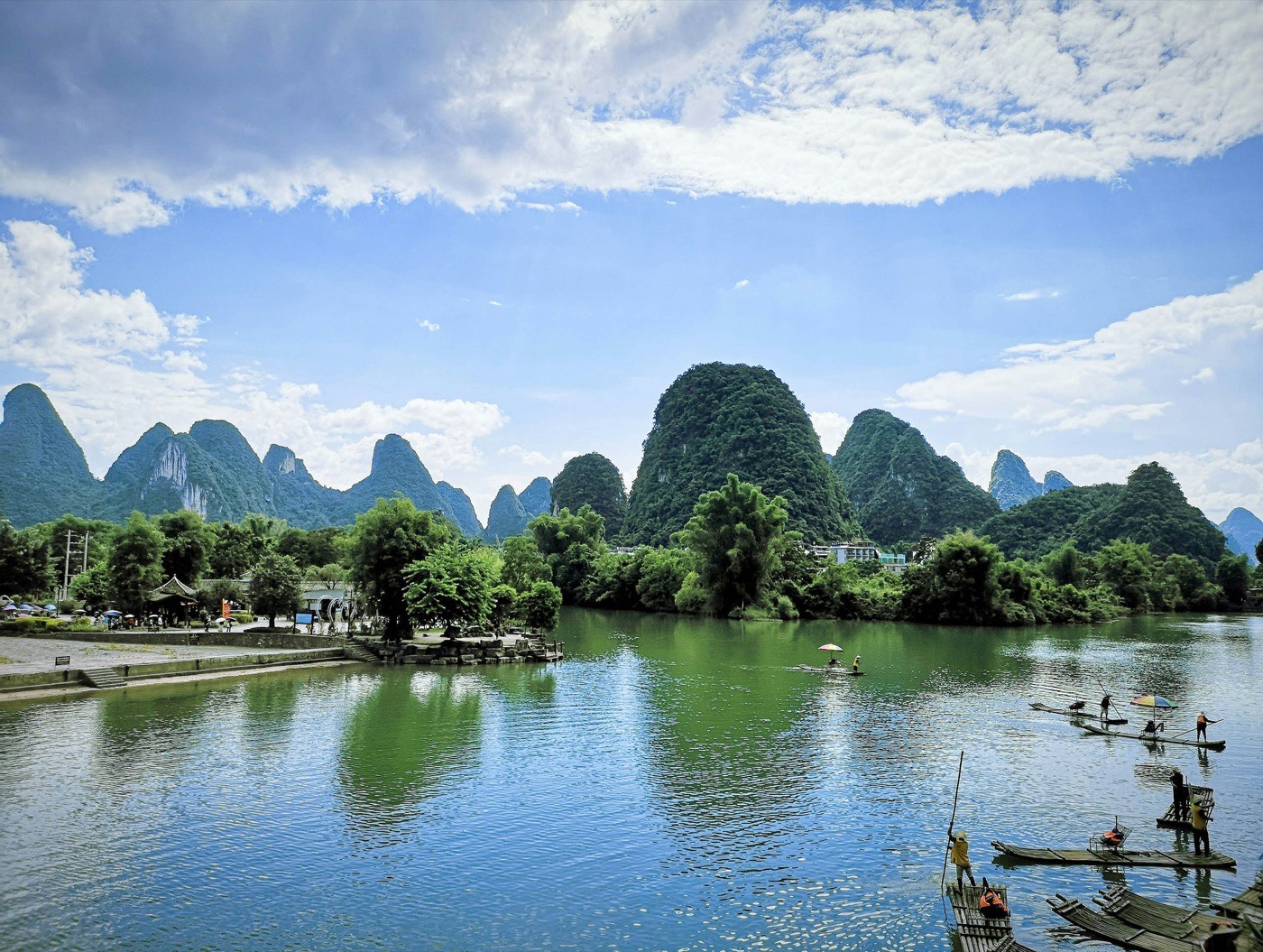
Traveling to China? You're in for an exciting adventure! With its rich culture, fascinating history, and buzzing cities, China offers a blend of tradition and modernity like no other. To make your trip smooth, here’s an essential guide with smart tips and cost insights.
The best time to visit China depends on your preferences:
Best Overall: Spring and autumn for mild weather and scenic beauty.
The cost of traveling in China can vary depending on the region, your travel style, and the activities you plan to do. Below are estimated costs for different types of expenses
China offers something for every kind of traveler. Whether you’re exploring its vibrant cities, wandering ancient temples, or eating your way through local markets, the country is full of surprises and new experiences. Be smart about your budget, respect the culture, and enjoy the journey - because China is a place like no other!
Public Safety: China is generally safe for tourists, with visible police presence in major cities. Surveillance is widespread, but it’s important to carry your passport at all times, as random checks can happen.
Traffic & Roads: Traffic can be chaotic in busy cities. Be cautious when crossing streets, as traffic laws aren’t always followed. Taxis and public transport are reliable, but be extra careful in rural areas or on local roads.
Healthcare: Healthcare quality is good in cities, but rural areas may have limited access. Always carry travel insurance. Tap water isn’t drinkable - stick to bottled or boiled water. Be mindful of air pollution in large cities.
Food Safety: Street food is delicious but be cautious - stick to busy, clean stalls. Larger restaurants are safer, but always ask locals for trusted recommendations. Carry a translation card if you have food allergies.
Natural Disasters: China can experience earthquakes, floods, and typhoons (especially in coastal areas). Stay informed about weather conditions and follow any local advisories.
Personal Safety: Crime is low, but watch out for pickpockets, especially in crowded tourist spots. Be aware of scams and always keep your belongings secure. In remote areas, traveling with a guide is recommended.
Emergency Numbers:
Cultural Sensitivity: Respect local customs - China has strict laws on public behavior, especially regarding politics and drug use (which is severely penalized). Avoid controversial topics, and keep public displays of affection to a minimum.
By following these simple safety tips, you’ll enjoy your trip while staying safe and respecting local norms!
Guides
Discover the best islands in Cuba, including Cayo Largo, Cayo Guillermo, and the Isle of Youth, and get practical tips for traveling to these stunning destinations...

Best Mountains in Bhutan 2026: A Trekker's Paradise, explore the top mountains for trekking in Bhutan, including Gangkhar Puensum and Jhomolhari, and get practical tips for an unforgettable adventure...

Australia's forests stretch across 125 million hectares, covering everything from ancient rainforests that predate the Amazon to towering eucalyptus groves that shelter unique wildlife found nowhere else on Earth...

Discover the top things to do in Peru 2026, from exploring Machu Picchu to delving into the Amazon Rainforest, savoring Peruvian cuisine, and more...

Discover the best places to visit in the USA, from iconic landmarks to hidden gems, must-see cities, national parks, coastal escapes, and family-friendly destinations...

Malaysia is a vibrant tapestry where modern skyscrapers stand tall next to ancient rainforests, and where spicy street food tells the story of centuries of cultural fusion. ..
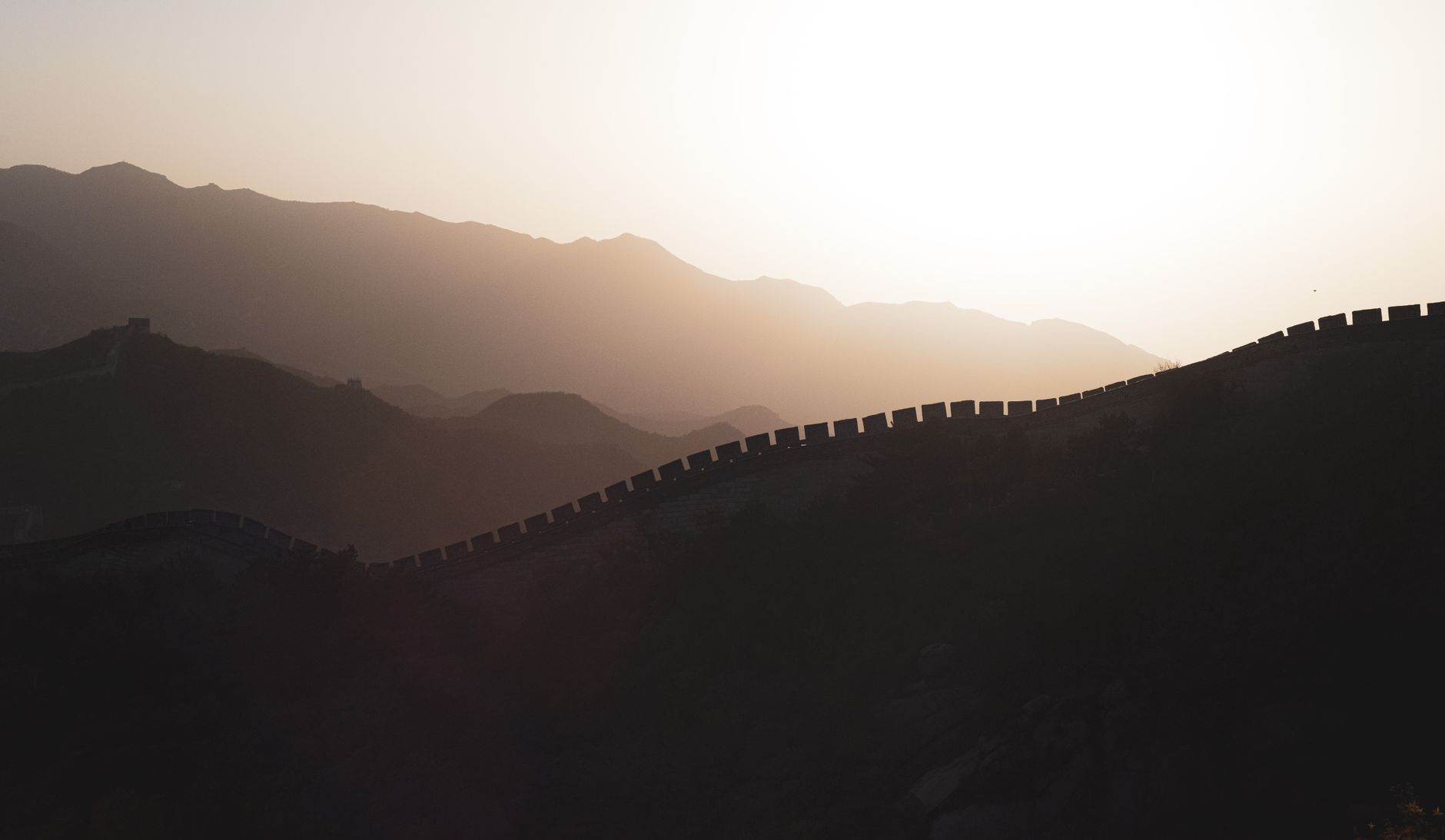
China's Great Wall stretches across 13,000 miles of mountains, deserts, and grasslands, creating one of the world's most diverse hiking experiences within a single monument. You'll find restored sections perfect for families walking on stone pathways, wild sections where you scramble over crumbling watchtowers, and remote stretches where you might hike for hours without seeing another soul...

Tokyo's plum blossom season arrives quietly in February, painting the city in delicate shades of pink and white weeks before the famous cherry blossoms steal the spotlight. The Bunkyo district stands as Tokyo's undisputed plum...

Naoshima transforms the conventional art museum experience into something extraordinary, where world-class contemporary art installations blend seamlessly with pristine beaches, quiet fishing villages, and untouched natural landscapes...